Skip to content

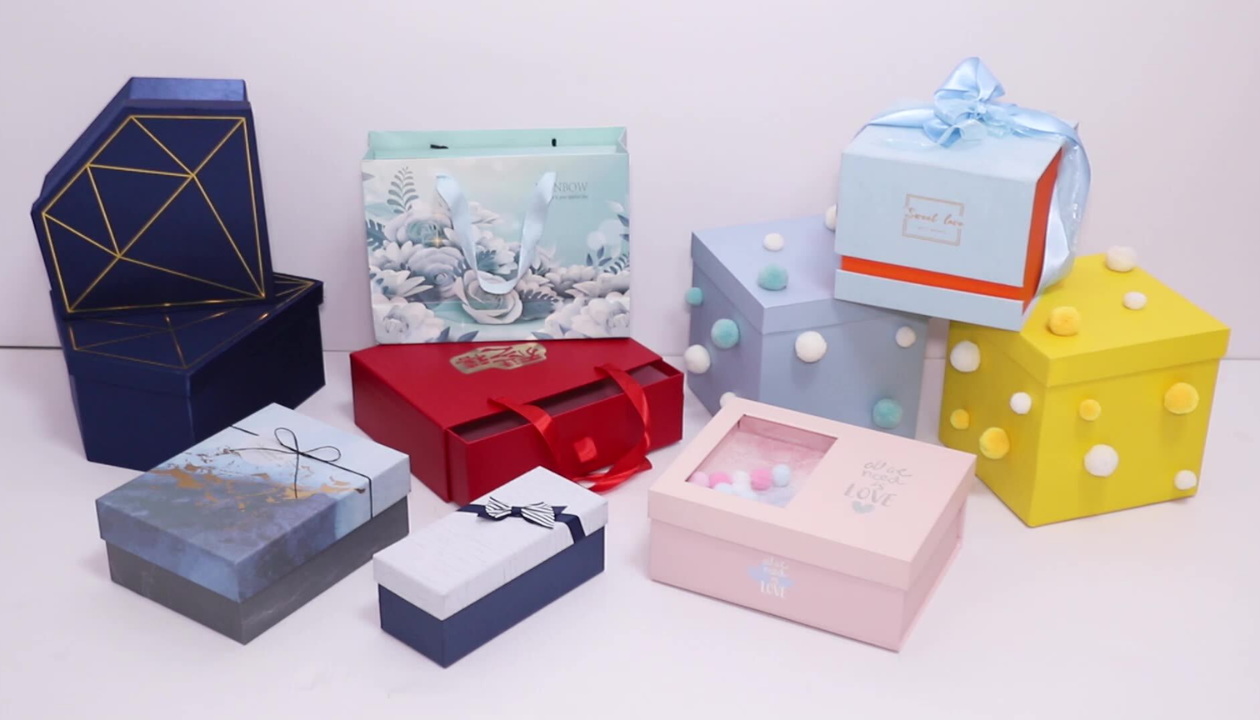




Moving from standard brown kraft packaging to colored boxes is one of the most effective ways to elevate your retail brand. When a customer receives colored shipping boxes or spots vibrant custom colored packaging boxes on a shelf, the visual impact is immediate. However, sourcing colored packaging boxes in large quantities involves technical challenges that go far beyond choosing a pretty shade.
In my decade of managing structural packaging runs, I have seen numerous small business owners lose thousands of dollars on bulk orders that did not perform as expected. A color that looks vibrant on a computer screen can look muddy when printed on porous cardboard. A structurally sound sample box can fail entirely when packed into a crowded delivery truck.
If you are transitioning to colored mailer boxes or ordering colored boxes wholesale for your retail business, avoiding these five common pitfalls will save your budget, protect your products, and safeguard your brand’s reputation.
1. Misunderstanding Ink Saturation Across Different Cardboard Substrates

The most frequent error retailers make when ordering colored cardboard boxes is assuming that ink reacts the same way on every material. Cardboard is inherently porous, and its natural underlying tone heavily influences the final color payout.
If you print light pastel inks directly onto standard brown corrugated board, the fibers will absorb the ink, resulting in a dull, muddy appearance. To achieve true vibrancy, you must understand the difference between white boxes and kraft substrates:
- Bleached White Substrates: Necessary for bright, exact Pantone matching. If your brand relies on light pink, soft teal, or yellow, starting with white boxes is non-negotiable.
- Kraft Substrates: Perfect for earth tones, dark forest greens, and deep navy blue. Printing darker colors on kraft creates an organic, premium feel, but it will shift the hue slightly warmer.
What most businesses overlook is the finish. For example, a matte colored corrugated mailing boxes run behaves differently than a high-gloss finish. Matte surfaces absorb light, offering a muted, sophisticated elegance often used for premium jewelry or tech items. Gloss coatings reflect light, making colored gift boxes pop, but they can show scuffs and fingerprints more easily during transit.
2. Ignoring DIM Weight and Shipping Costs of Large Colored Cardboard Boxes
It is easy to focus entirely on the aesthetics of colored packaging boxes and forget about logistics. Many retailers design beautiful, large colored cardboard boxes to give their products an ultra-premium, spacious presentation inside the container.
However, major carriers like USPS, FedEx, and UPS do not charge shipping rates based solely on actual weight. They use a calculation known as Dimensional (DIM) Weight, which measures the volume of the box.
$$\text{Dimensional Weight} = \frac{\text{Length} \times \text{Width} \times \text{Height}}{\text{DIM Divisor}}$$
If you use oversized colored boxes for shipping lightweight items, you will pay for the empty space inside the box. At The Boxology.US, we frequently audit client designs to ensure their custom mailer boxes are optimized to the millimeter. Reducing your box size by even half an inch on one side can scale down your shipping tier significantly over a run of 5,000 units.
Material Comparison for Cost and Protection
Choosing the right structural design for your colored mailers determines both your upfront manufacturing costs and long-term shipping fees.
| Box Type | Best Used For | Durability Level | Shipping Cost Impact |
| Colored Mailer Boxes (E-Flute Corrugated) | E-commerce fulfillment, subscription boxes, retail gift sets. | High crush resistance; rigid double-walled sides. | Moderate; optimized sizes prevent DIM weight penalties. |
| Black Corrugated Boxes (B-Flute) | Heavy items, electronics, direct-to-consumer bulk goods. | Maximum structural integrity for rough transit. | Higher; best reserved for products requiring deep protection. |
| Colored Cardboard Boxes (Folding Paperboard) | Countertop retail shelves, lightweight clothing, internal product wrapping. | Low; non-shippable without an outer transit box. | Lowest; light and highly compact for shelf storage. |
| Paper-Wrapped Rigid Gift Boxes | High-end luxury retail, premium cosmetics, boutique electronics. | Structural, thick chipboard; does not bend. | Highest; cannot be collapsed flat, increasing incoming freight costs. |

3. Treating External Colored Shipping Boxes and Internal Gift Boxes As Identical
A retail brand usually requires multiple types of packaging: containers meant to survive the rough transit of the postal system, and containers meant to sit beautifully on a boutique shelf or inside a mailer. Combining these two purposes into a single box without adjusting the material is a recipe for disaster.
If you are designing colored mailers meant to be labeled and dropped directly into a mail truck, the outer surface must withstand conveyor belts, friction, and moisture. Standard inks on colored shipping boxes can smudge or flake if they rub against other parcels during transit.
Conversely, colored gift boxes used for internal product presentation do not need heavy-duty B-flute corrugation. They require precise folding lines, smooth paperboard stock, and a clean interior finish.
If you attempt to use delicate colored boxes for crafts or soft paperboard boxes as standalone colored boxes for shipping, the box will arrive crushed, torn, or heavily scuffed at your customer’s doorstep. Always separate your transit needs from your retail presentation needs.
4. Failing to Account for Assembly Time and Labor in Bulk Wholesale Runs
When small business owners look at colored boxes wholesale pricing sheets, they usually focus entirely on the per-unit cost. What they fail to calculate is the labor cost required to assemble those boxes once they arrive at the warehouse.
Wholesale mailing boxes are shipped flat to maximize shipping efficiency and lower incoming freight costs. However, different styles require vastly different setup times:
- Auto-Lock Bottom Boxes: Snap into place instantly with minimal manual manipulation. They cost slightly more per unit but reduce assembly time down to seconds.
- Standard Slotted Boxes (RSC): Require packing tape on both the top and bottom. Taping over beautifully printed colored cardboard boxes can ruin the clean look of your design.
- Tuck-Top Mailer Boxes: Provide a premium unboxing experience without tape, but require your fulfillment staff to fold down multiple structural flaps manually.
If your team is packing hundreds of orders a day, a complex mailer box design that takes 45 seconds to assemble will dramatically slow down your operations compared to a streamlined design taking 15 seconds.
The Boxology’s Expert Insight
In my experience working with bulk manufacturers across the USA, the absolute biggest mistake retailers make is neglecting “Inversion and Fluting Cracking.” When corrugated cardboard is dyed or heavily printed with dense ink—especially dark colors like navy, forest green, or deep charcoal—the paper fibers dry out and become brittle.
When your warehouse team folds these flat-packed colored boxes along the pre-scored lines, the dry surface ink can crack open, revealing the raw white or brown paper fibers underneath. It looks highly unprofessional.
The Pro Fix: Always ask your packaging manufacturer to use a “digital scoring matrix” and request a flexible aqueous coating or matte varnish over the ink. This adds a protective layer that allows the paper fibers to stretch rather than snap when folded, keeping your solid colored borders flawlessly clean.
5. Skipping the Physical Prototype Pre-Run Test
Digital mockups are deceiving. A 3D digital rendering of personalized mailer boxes on a computer screen cannot simulate tactile reality. It will not show you how the lid slides into the front flaps, how rigid the walls feel when gripped, or how the ink handles a sticky shipping label.
Before committing a significant portion of your budget to a massive run of wholesale mailing boxes, you must request a structural and physical color sample.
Your Quality Assurance Checklist Before Finalizing a Bulk Run:
- The Friction Test: Rub two sample colored packaging boxes together firmly. Does the ink transfer or scuff easily?
- The Tape Adhesive Test: Place a standard shipping label or packing tape onto the colored surface, press down, and pull it off. Does it rip away the colored ink layer completely, or does it hold firmly?
- The Product Weight Test: Place your heaviest retail item inside the sample custom mailer boxes. Hold it from the bottom. Does the base sag, or does the structural design hold firm?
- The Unboxing Velocity Test: Open and close the mailer box ten times consecutively. Do the tabs remain snug, or do they loosen up and allow the lid to pop open on its own?
Designing for Success
Transitioning to high-quality retail packaging should be an exciting milestone for your business, not a logistical headache. By paying close attention to ink substrates, selecting the right material for the box’s actual journey, and tracking your dimensional weight, you can easily deploy a packaging strategy that is both cost-effective and highly reliable.
Many of our clients at The Boxology.US find that taking an extra week to perfect the physical prototype and test ink durability saves them thousands of dollars down the road in returned goods and damaged transit parcels. Treat your packaging like an extension of your product itself it is the very first physical point of contact your customer has with your brand.
If you are currently planning a new packaging rollout or want to optimize an existing design to cut down on structural failures and shipping costs, let’s talk. We can look over your current dimensions and material specs to ensure your next bulk run prints flawlessly. Feel free to reach out for a quick, no-pressure consultation to make sure your dimensions are completely optimized before you hit print.