Skip to content


The material used to manufacture a jewelry box has a direct impact on how customers perceive the product inside. Before a customer touches a necklace, engagement ring, bracelet, or luxury watch, they experience its packaging. The weight, texture, finish, and structural quality of a jewelry box communicate value long before the product is revealed.
Luxury jewelry brands carefully select packaging materials that balance durability, elegance, and protection. A rigid box wrapped in textured paper creates a completely different impression than a lightweight folding carton, while velvet interiors, leather coverings, and premium inserts add another level of sophistication.
Material selection also affects shipping performance, printing quality, production costs, and long-term brand recognition. Choosing the wrong material may reduce perceived value, increase product damage during transit, and weaken the overall customer experience.
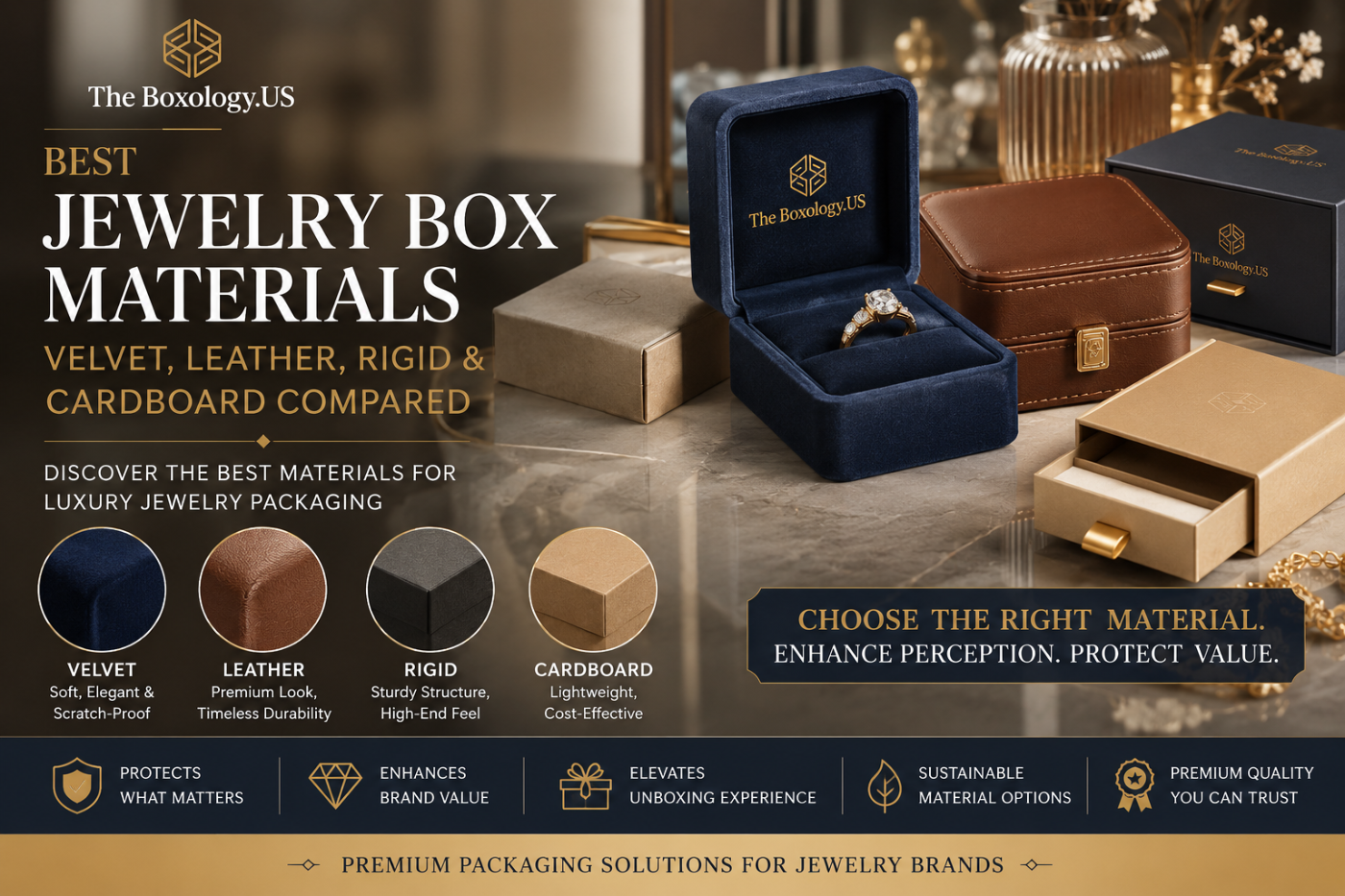
In this guide, we’ll compare the most popular jewelry box materials including velvet, leather, rigid board, and cardboard to help you understand which option best suits your products, branding goals, and budget.
Businesses looking for premium packaging solutions often invest in custom jewelry boxes that combine elegant materials with durable structural design.
Quick Answer
What is the best material for luxury jewelry boxes?
Rigid board is considered the best structural material for luxury jewelry boxes because it provides exceptional durability, premium presentation, and excellent protection. When combined with velvet interiors, leather wraps, or specialty paper finishes, rigid boxes create a high-end unboxing experience that enhances perceived product value.
Key Takeaways
- Rigid board offers the highest level of protection and luxury.
- Velvet interiors add elegance while preventing scratches.
- Leather wrapping creates an exclusive premium appearance.
- Cardboard is ideal for lightweight and budget-friendly packaging.
- Material selection should align with both product value and brand positioning.
In This Guide
You’ll learn:
- Why jewelry box material matters
- Advantages of rigid boxes
- Velvet vs leather interiors
- Cardboard vs rigid board comparison
- Which material is best for different jewelry products
- Sustainability considerations
- Expert recommendations for luxury jewelry packaging
Why Jewelry Box Material Matters
Customers often judge the quality of a jewelry brand before they even see the jewelry itself. Premium packaging creates anticipation, builds trust, and reinforces the perception of craftsmanship.
The right material influences:
- Product protection
- Brand image
- Customer experience
- Shipping durability
- Printing quality
- Long-term storage
- Unboxing experience
For luxury brands, packaging is not simply a container it becomes part of the product experience.
Rigid Board: The Premium Choice
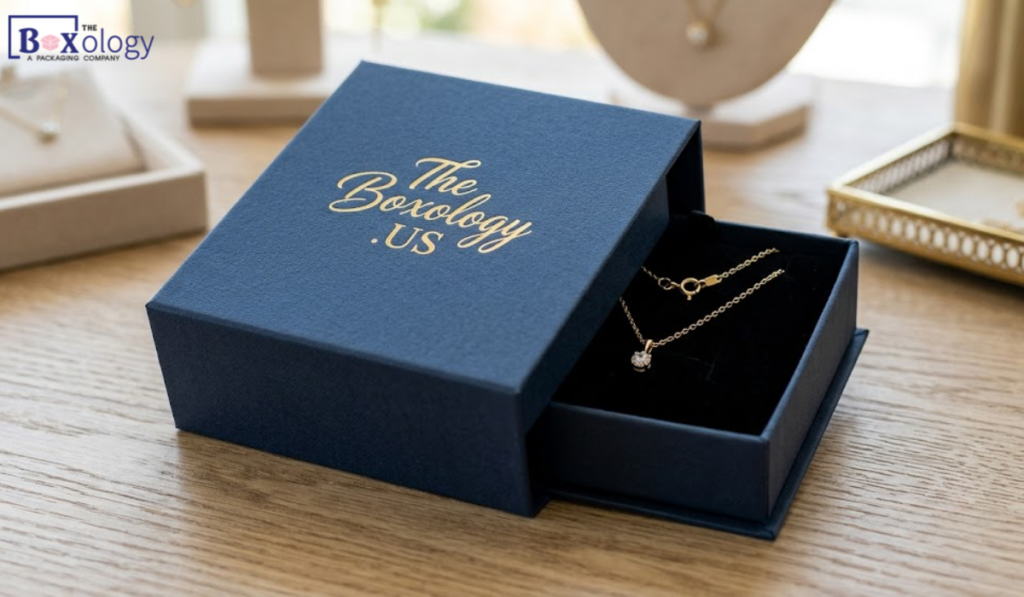
Rigid board remains the industry standard for luxury jewelry packaging.
Manufactured from thick chipboard wrapped with decorative paper, fabric, or specialty materials, rigid boxes provide outstanding structural integrity while delivering a premium feel.
They are commonly used for:
- Engagement rings
- Luxury watches
- Diamond jewelry
- Bridal collections
- Premium gift sets
Understanding how custom jewelry boxes are designed can also help businesses choose structures that match both their products and branding goals.
Rigid boxes also support premium finishing techniques including:
- Foil stamping
- Embossing
- Debossing
- Soft-touch lamination
- Magnetic closures
- Ribbon pulls
Because of their durability and elegant appearance, rigid jewelry boxes continue to be the preferred choice for luxury brands. Premium luxury jewelry boxes help brands create memorable unboxing experiences while protecting valuable products during shipping and retail display.
Velvet Jewelry Boxes: Timeless Luxury and Product Protection
Velvet has long been associated with luxury jewelry packaging because of its soft texture, elegant appearance, and excellent protective qualities. It is most commonly used as an interior lining rather than the primary structural material.
The soft surface helps prevent scratches on delicate metals, gemstones, pearls, and polished finishes while creating a premium presentation when customers open the box.
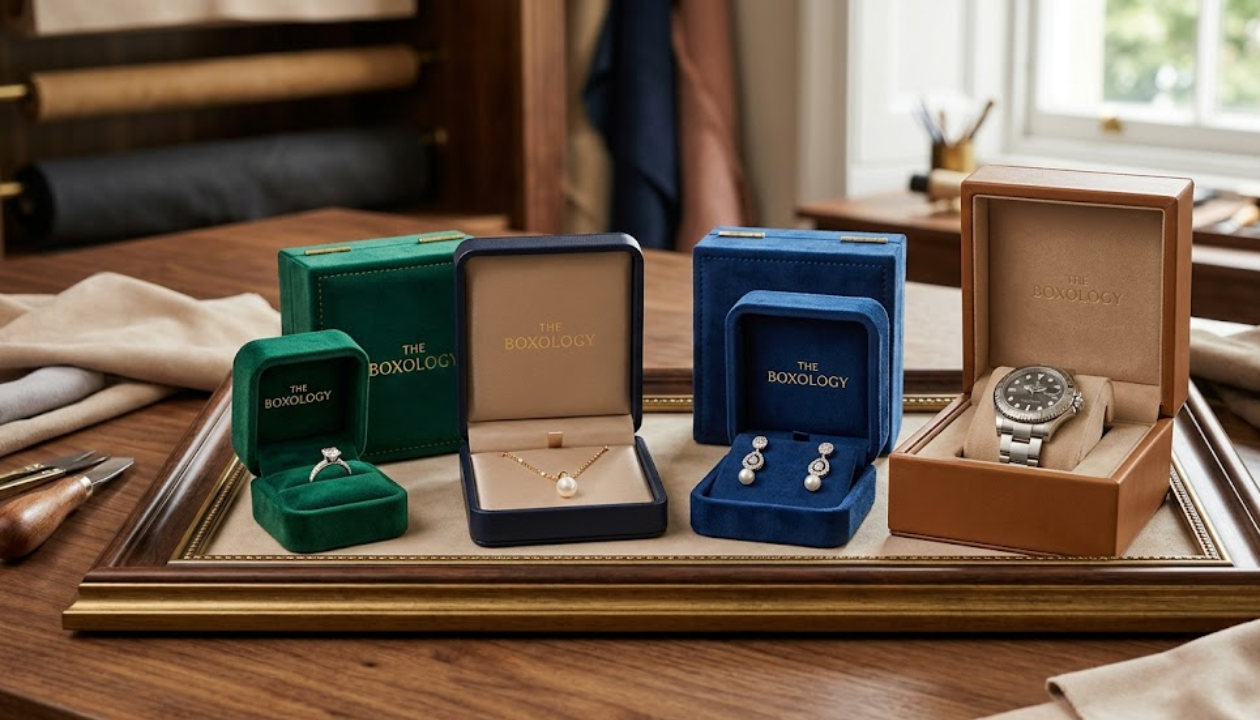
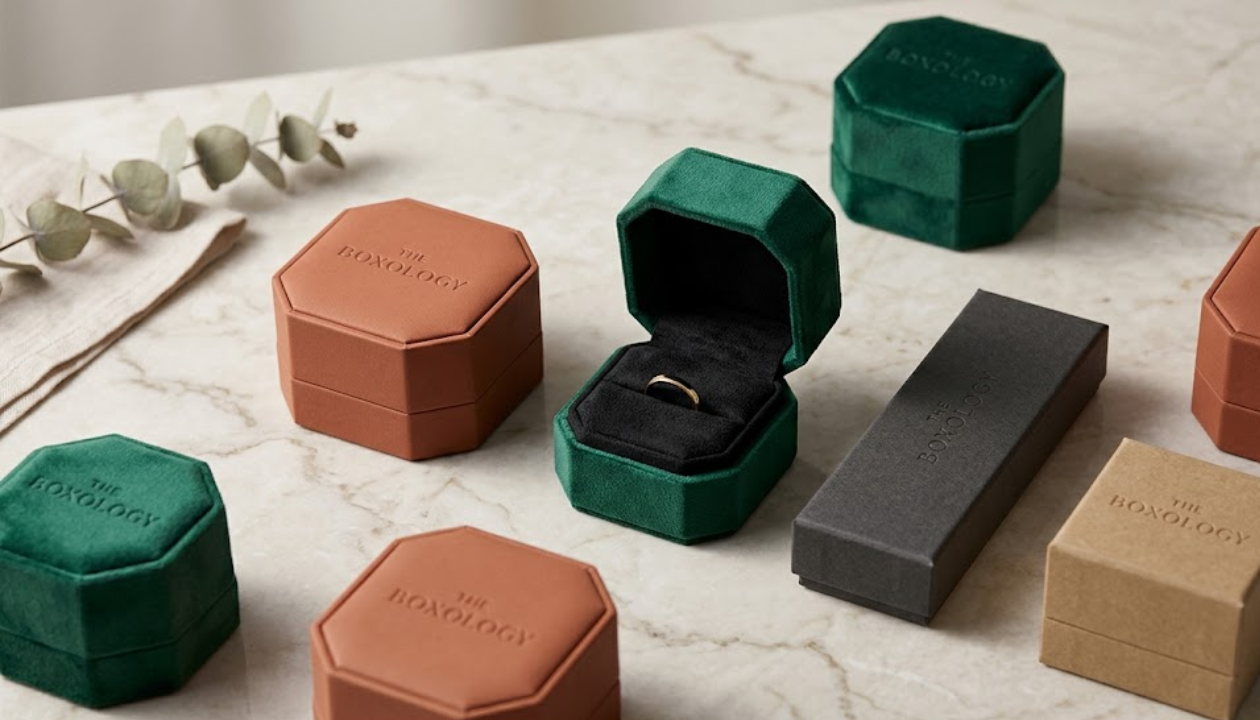
Velvet is available in a wide range of colors, allowing brands to match their packaging with their visual identity. Black, navy, emerald green, burgundy, and cream remain among the most popular choices for luxury collections.
Many of these premium materials are also featured in modern ring box packaging trends, especially for engagement and wedding jewelry collections.
Best Applications
- Engagement rings
- Diamond jewelry
- Pearl collections
- Luxury watches
- Anniversary gifts
Advantages
- Premium appearance
- Scratch-resistant interior
- Soft cushioning
- Enhances unboxing experience
- Ideal for luxury branding
Limitations
- Higher production cost
- Requires careful handling during manufacturing
- Less suitable for moisture-prone environments
Leather Jewelry Boxes: Premium Craftsmanship
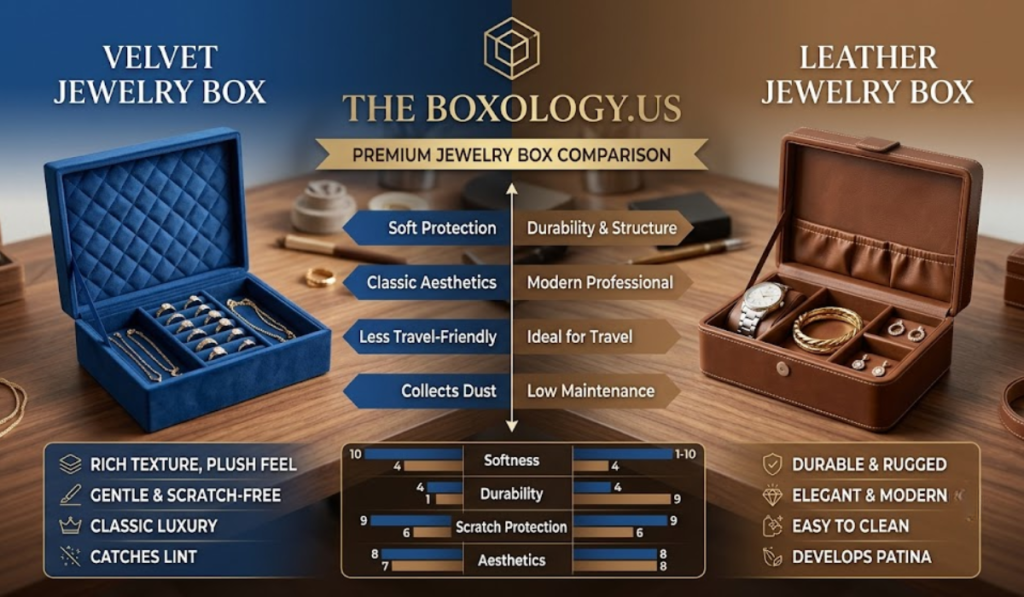
Leather-covered jewelry boxes are often chosen by luxury brands that want to create a sophisticated, long-lasting presentation. Genuine leather and premium PU leather wraps give packaging a refined texture that immediately communicates exclusivity.
Leather packaging pairs particularly well with gold foil logos, debossed branding, magnetic closures, and velvet interiors.
Many premium watch brands and high-end jewelry retailers use leather-covered rigid boxes because they offer both durability and timeless elegance.
Ideal For
- Luxury watches
- High-value necklaces
- Premium gift collections
- Executive gifts
- Bridal jewelry
Advantages
- Elegant appearance
- Exceptional durability
- Premium tactile experience
- Strong brand perception
- Long service life
Limitations
- Higher manufacturing cost
- Increased package weight
- Longer production lead times
Rigid Board Jewelry Boxes
Rigid board serves as the structural foundation for most premium jewelry packaging. Unlike folding cartons, rigid boxes maintain their shape even under pressure, providing superior protection during storage and transportation.
The thickness of rigid board also creates a heavier feel, which subconsciously increases the perceived value of the product.
Luxury brands often wrap rigid board with specialty paper, textured paper, linen paper, leather, or velvet to create distinctive packaging styles.
Why Luxury Brands Prefer Rigid Boxes
- Superior structural strength
- Excellent stacking performance
- Premium customer perception
- Compatible with luxury finishes
- Supports magnetic closures and custom inserts
Although rigid boxes cost more than standard folding cartons, they often justify the investment by enhancing brand image and reducing product damage.
Cardboard Jewelry Boxes
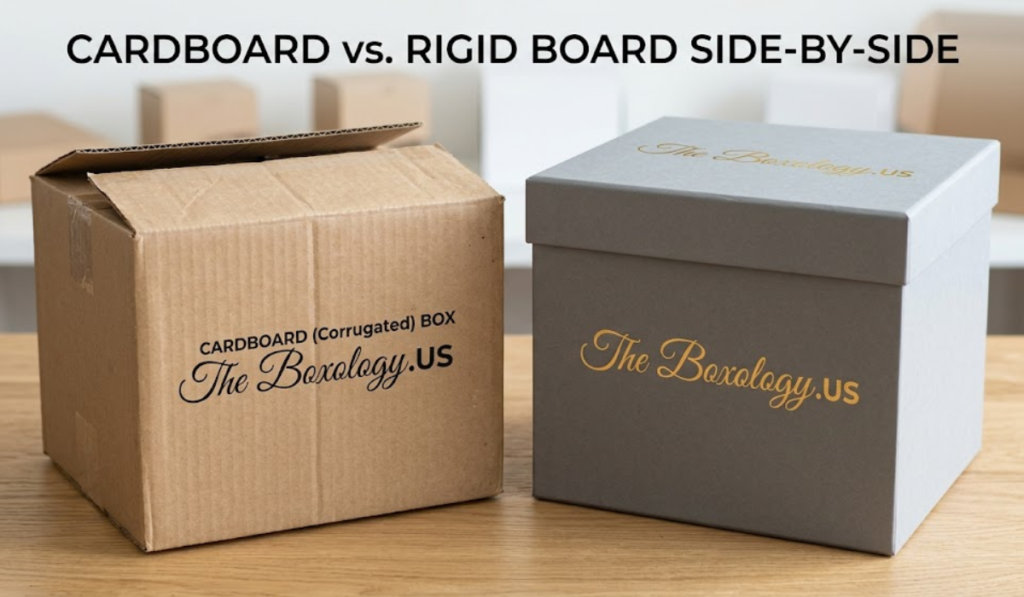
Cardboard remains one of the most practical materials for jewelry packaging, particularly for brands seeking affordability without sacrificing quality.
High-quality paperboard can still deliver an attractive appearance when combined with premium printing and finishing techniques.
Cardboard jewelry boxes are commonly used for:
- Fashion jewelry
- Small accessories
- Promotional collections
- Retail packaging
- Ecommerce orders
Premium paperboard packaging can include:
- Matte lamination
- Soft-touch coating
- Foil stamping
- Spot UV
- Embossing
These enhancements allow cardboard packaging to achieve a premium appearance while remaining cost-effective.
Advantages
- Lightweight
- Economical
- Easy to customize
- Excellent print quality
- Recyclable
Limitations
- Lower structural strength than rigid boxes
- Less suitable for extremely valuable jewelry
- Shorter lifespan
Brands ordering in large quantities should also review wholesale jewelry packaging options to balance production costs with premium presentation.
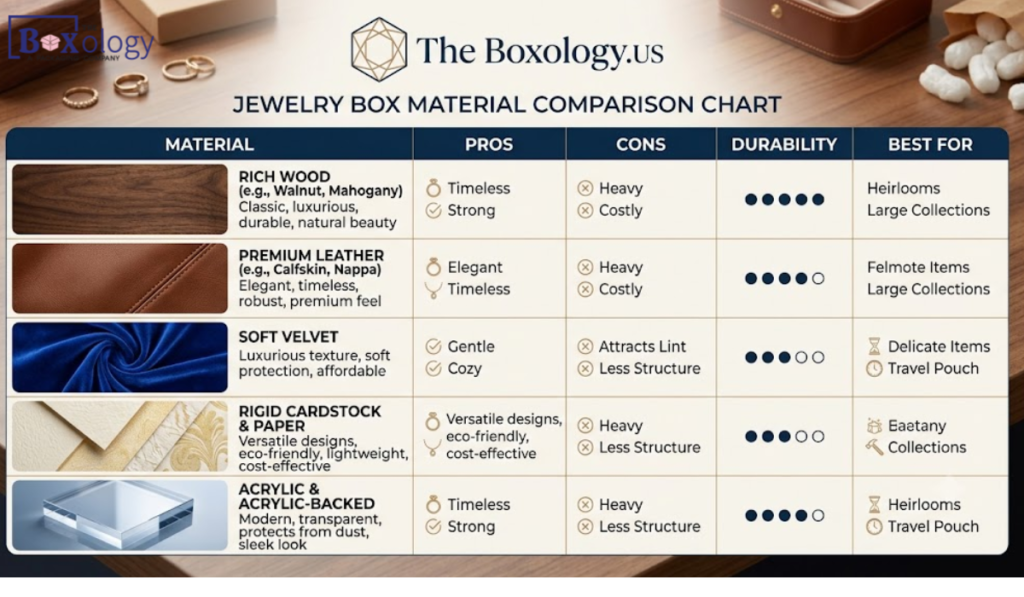
Material Comparison
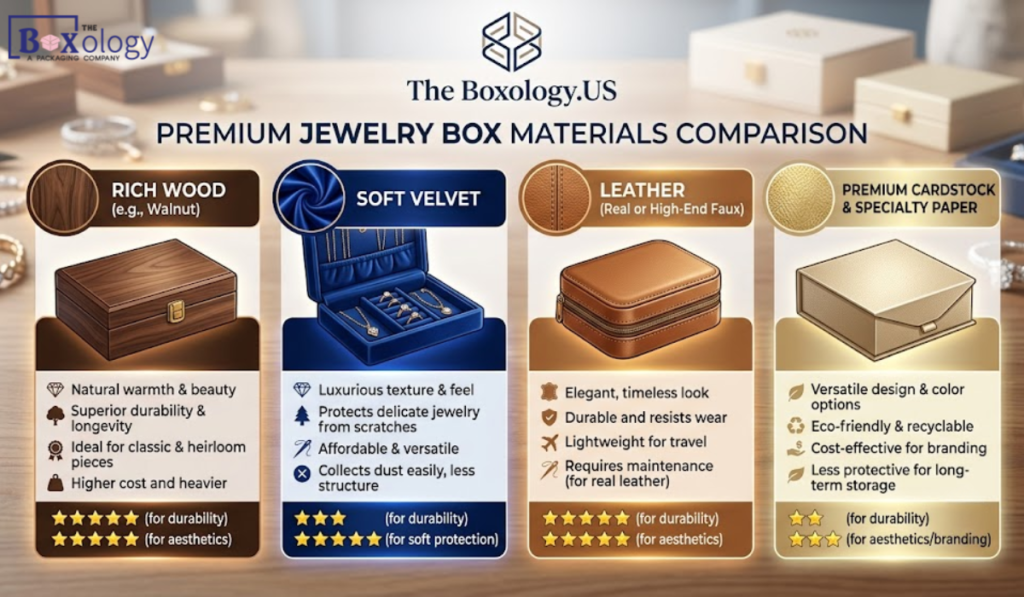
| Material | Luxury Appearance | Protection | Cost | Best For |
| Velvet | ⭐⭐⭐⭐⭐ | ⭐⭐⭐⭐☆ | High | Interior lining, rings, necklaces |
| Leather | ⭐⭐⭐⭐⭐ | ⭐⭐⭐⭐⭐ | High | Luxury collections & watches |
| Rigid Board | ⭐⭐⭐⭐⭐ | ⭐⭐⭐⭐⭐ | Medium–High | Premium jewelry packaging |
| Cardboard | ⭐⭐⭐☆ | ⭐⭐⭐☆ | Low–Medium | Fashion jewelry & ecommerce |
Sustainability Considerations
Today’s luxury customers increasingly value sustainable packaging alongside premium presentation.
Many jewelry brands now combine luxury finishes with environmentally responsible materials, including:
- FSC-certified paperboard
- Recycled rigid board
- Water-based coatings
- Soy-based printing inks
- Plastic-free inserts
This approach allows brands to reduce environmental impact while maintaining the high-quality appearance expected in luxury packaging. Many luxury brands choose FSC-certified paperboard to support responsible forest management while maintaining premium packaging quality.
Which Material Is Best for Different Jewelry Products?
Selecting the right material depends on the product being packaged rather than choosing a single material for every collection.
Rings
- Rigid box
- Velvet insert
- Magnetic closure
Necklaces
- Rigid board
- Velvet lining
- Satin ribbon
Bracelets
- Premium paperboard
- Foam insert
- Soft-touch finish
Earrings
- Folding carton
- Velvet insert
- Foil logo
Luxury Watches
- Leather-wrapped rigid box
- EVA foam insert
- Magnetic lid
Choosing the right jewelry packaging boxes ensures every product receives the protection and presentation it deserves.
Packaging Expert Recommendation
Rather than asking which material is the “best,” brands should ask which material best reflects their positioning.
A luxury diamond collection deserves rigid construction with velvet interiors, while fashion jewelry sold in large quantities may benefit from premium paperboard with elegant printing.
The most successful jewelry packaging combines structural durability, refined aesthetics, and a memorable customer experience without adding unnecessary complexity.
Common Mistakes When Choosing Jewelry Box Materials
Selecting the wrong packaging material can negatively affect product protection, customer perception, and overall brand value. Many businesses focus only on appearance while overlooking structural performance and long-term durability.
Avoid these common mistakes when designing jewelry packaging.
Choosing Materials Based Only on Cost
Low-cost packaging may reduce production expenses, but it can also lower the perceived value of premium jewelry. Customers often associate lightweight or poorly constructed boxes with lower-quality products.
Instead of choosing the cheapest option, evaluate the balance between cost, durability, and customer experience.
Ignoring Product Protection
Different jewelry items require different levels of protection.
A delicate diamond ring, for example, should not be packaged in the same type of box as fashion earrings. Proper inserts, rigid construction, and protective linings help minimize movement and reduce the risk of damage during shipping.
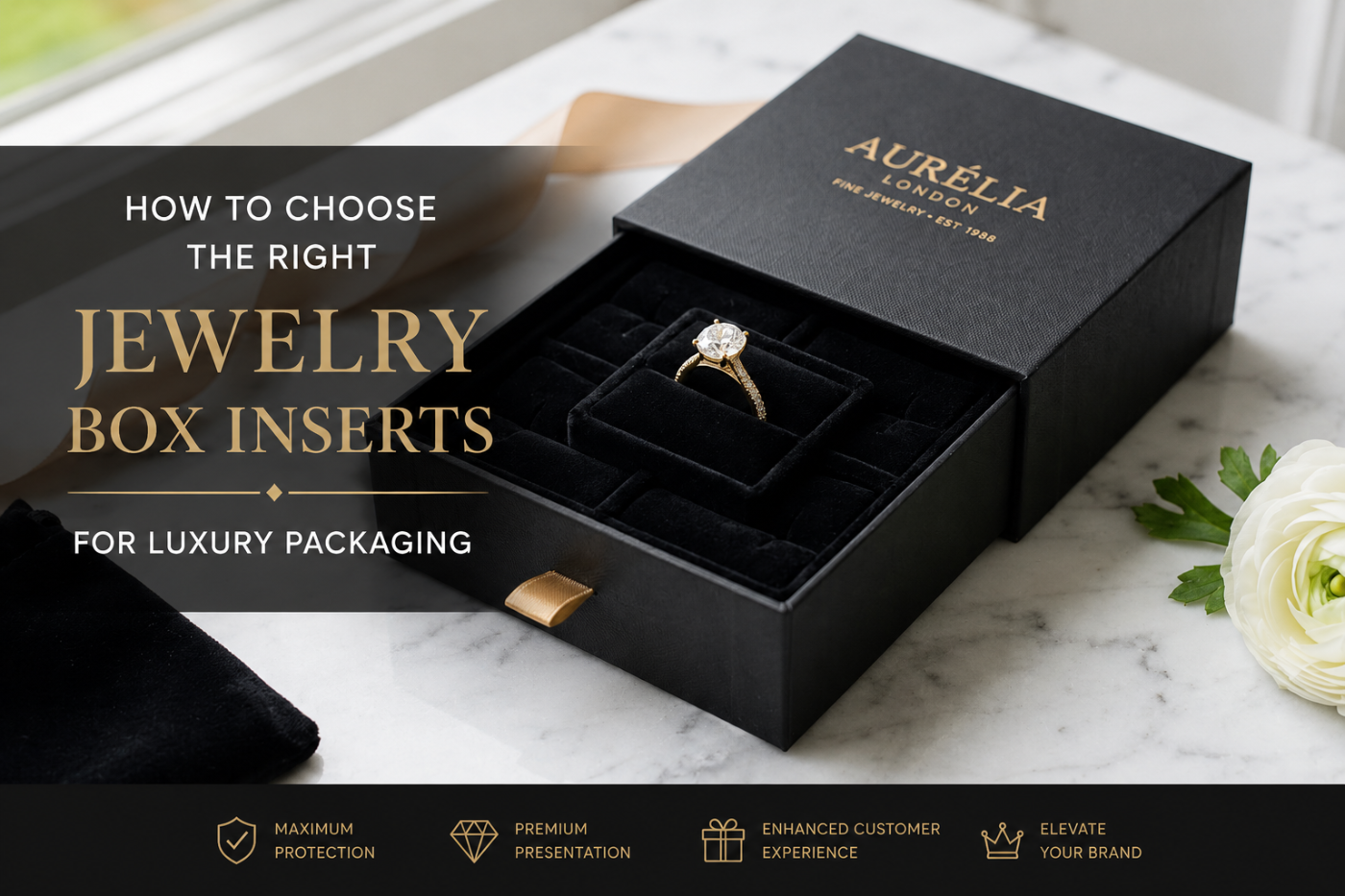
Selecting the right jewelry box inserts is equally important because properly fitted inserts reduce product movement and improve presentation.
Forgetting Brand Consistency
Your jewelry packaging should reflect your brand identity.
Using different materials, colors, or finishes across product collections can create an inconsistent customer experience. A consistent packaging style strengthens brand recognition and builds customer trust over time.
Overlooking the Unboxing Experience
Modern customers expect more than just product protection.
Premium materials, soft-touch finishes, magnetic closures, ribbon pulls, and velvet inserts create an emotional connection that encourages customers to remember and share your brand.
Ignoring Sustainability
Luxury packaging and sustainability can work together.
Using recyclable paperboard, FSC-certified materials, and eco-friendly printing methods allows brands to maintain a premium appearance while meeting growing customer expectations for environmentally responsible packaging.
Expert Tips for Choosing Jewelry Box Materials
Before selecting a packaging material, consider the following questions:
- What type of jewelry will the box protect?
- Is the product intended for luxury retail or ecommerce shipping?
- Does the packaging reflect your brand positioning?
- Will customers keep the box after purchase?
- Is the material compatible with your preferred printing and finishing techniques?
Answering these questions early helps brands avoid unnecessary costs while creating packaging that supports both product protection and customer satisfaction.
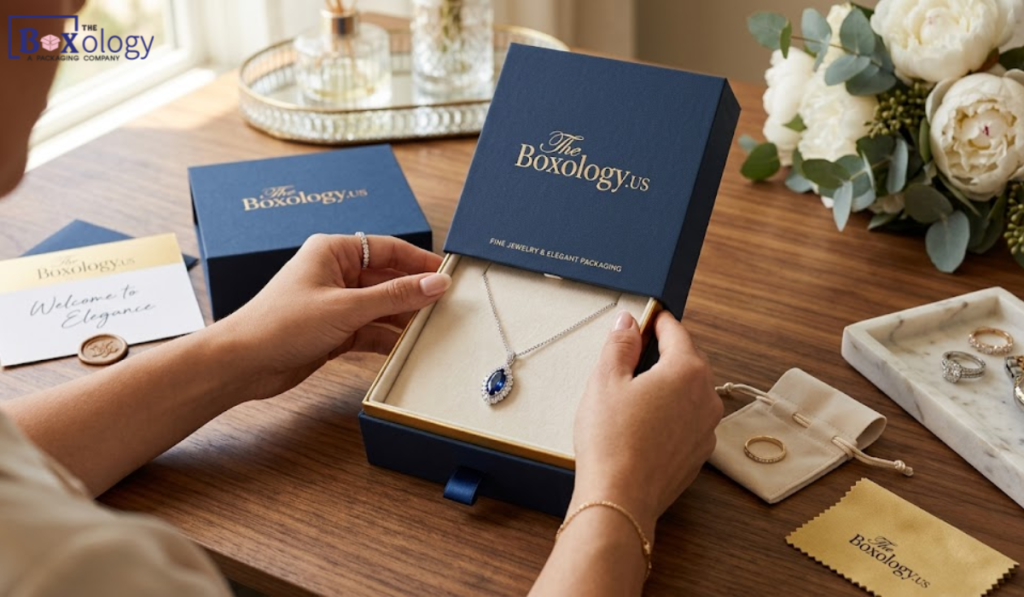
Final Thoughts
The best jewelry box material depends on your product, target audience, and brand positioning.
Rigid board remains the preferred choice for luxury jewelry because of its strength, durability, and premium presentation. Velvet interiors provide superior protection for delicate jewelry, leather adds timeless elegance, and premium cardboard offers a practical solution for fashion jewelry and high-volume retail packaging.
Rather than selecting materials based solely on cost, businesses should focus on creating packaging that enhances customer experience, protects valuable products, and reinforces long-term brand recognition. If you’re planning future packaging upgrades, exploring the latest jewelry box trends can help you discover new materials, finishes, and luxury design ideas shaping the industry.
When premium materials, thoughtful structural design, and quality finishing techniques work together, jewelry packaging becomes more than a box it becomes part of the product’s value. Adding How2Recycle labels to packaging can also help customers understand how to recycle packaging components correctly.
Ready to Design Premium Jewelry Packaging?
The right jewelry box material does more than protect valuable products it shapes how customers perceive your brand from the moment they receive their purchase.
At The Boxology, we manufacture fully customized jewelry boxes using premium rigid board, luxury paper, velvet inserts, magnetic closures, and high-end finishing options. Whether you need packaging for rings, necklaces, bracelets, watches, or complete jewelry collections, our team can help you create packaging that reflects the quality of your brand.