 Skip to content

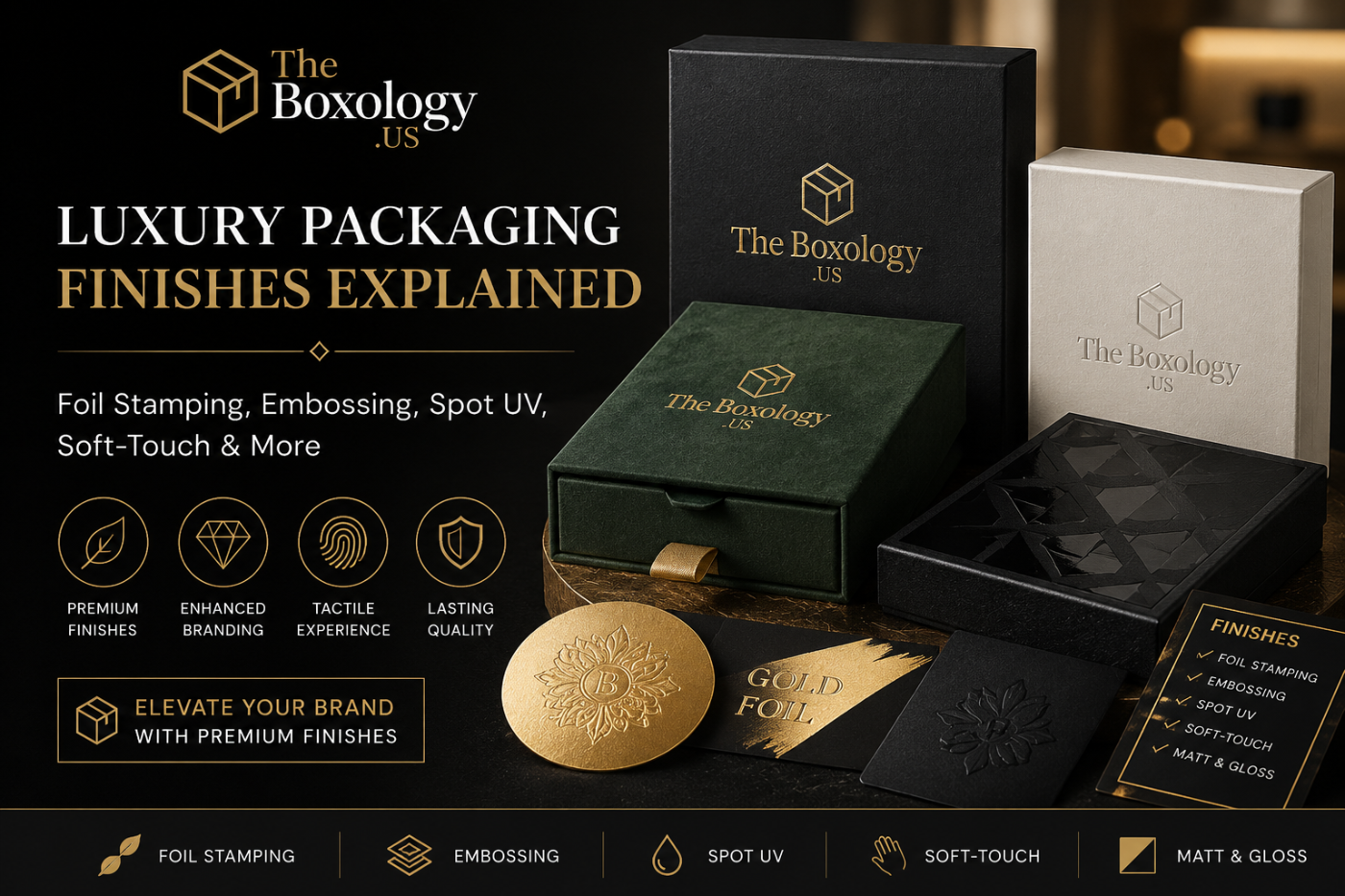


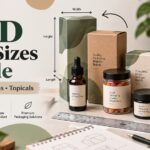

Luxury packaging is no longer defined by premium materials alone. The finishing techniques applied after printing often determine whether packaging looks ordinary or truly exceptional. A well-designed rigid box can instantly communicate exclusivity through carefully selected finishes such as foil stamping, embossing, spot UV, or soft-touch lamination. These details not only improve visual appeal but also create a tactile experience that influences how customers perceive product quality.
Across industries such as cosmetics, jewelry, fragrances, electronics, and luxury gifts, premium packaging finishes have become an important part of brand positioning. Customers often associate elegant textures, metallic accents, and refined surface treatments with higher product value before they even interact with the product itself.
Choosing the right finish is not simply a design decision. Different finishing techniques affect production costs, durability, print quality, and overall customer experience. While some finishes are designed to attract attention on retail shelves, others focus on protecting packaging during shipping or creating memorable unboxing experiences. Businesses investing in premium presentation often choose luxury packaging solutions that combine high-quality materials with carefully selected finishing techniques.
Whether you’re launching a luxury skincare line, premium jewelry collection, or high-end subscription box, understanding how each finishing technique works will help you select the best combination for your products and budget.
In this guide, we’ll explain the most popular luxury packaging finishes, compare their advantages, explore where they perform best, and help you decide which finish offers the greatest value for your brand.
Quick Answer
What are luxury packaging finishes?
Luxury packaging finishes are specialized surface treatments applied after printing to improve a package’s appearance, texture, durability, and perceived value. Popular finishing techniques include foil stamping, embossing, debossing, spot UV, soft-touch lamination, matte and gloss lamination, aqueous coating, and specialty textured papers. Choosing the right finish depends on your product, packaging material, budget, and branding goals.
Key Takeaways
- Premium finishes increase perceived product value.
- Different finishes create different visual and tactile experiences.
- Combining two complementary finishes often produces the best luxury appearance.
- Packaging finishes should support both branding and product protection.
- Selecting the right finish depends on industry, packaging material, and customer expectations.
In This Guide
You’ll learn:
- Why luxury packaging finishes matter
- Foil stamping explained
- Embossing vs. debossing
- Spot UV coating
- Soft-touch lamination
- Matte vs. gloss finishes
- Specialty textured papers
- How to choose the right finish for your products
- Which finishes offer the best return on investment
- Common mistakes to avoid
Why Luxury Packaging Finishes Matter
The first impression of any premium product begins with its packaging. Long before customers experience what’s inside the box, they notice the texture, reflectivity, weight, and overall presentation of the packaging itself.
Luxury finishes help brands create packaging that feels exclusive while reinforcing product quality. Instead of relying solely on printed graphics, premium brands use finishing techniques to highlight logos, create depth, improve durability, and encourage customers to interact with the package.
Packaging finishes also provide practical benefits. Certain coatings improve scratch resistance, reduce fingerprints, protect printed artwork, and increase packaging durability during shipping and retail handling.
When used strategically, finishing techniques transform ordinary packaging into a memorable brand experience.
Foil Stamping
Foil stamping remains one of the most recognizable luxury packaging finishes used across premium industries.
Rather than printing metallic ink, foil stamping transfers a thin layer of metallic foil onto the packaging surface using heat and pressure. This process produces a reflective finish that immediately attracts attention while adding a sophisticated appearance.
Although gold and silver remain the most popular options, modern brands also use rose gold, copper, holographic, black, and colored foils to complement their visual identity.
Best Applications
- Luxury cosmetic packaging
- Jewelry boxes
- Perfume packaging
- Premium gift boxes
- Wedding packaging
- Limited-edition collections
Advantages
- Exceptional shelf appeal
- Strong brand recognition
- Premium metallic appearance
- Long-lasting finish
- Compatible with rigid boxes and premium paperboard
Choosing the Right Foil Color
Different foil colors communicate different brand personalities.
- Gold Foil: Classic luxury and prestige
- Silver Foil: Modern elegance and technology
- Rose Gold Foil: Beauty, cosmetics, and fashion
- Copper Foil: Handmade and premium craft products
- Black Foil: Minimalist luxury
- Holographic Foil: Limited editions and promotional packaging
Selecting a foil color that complements your overall packaging design helps create a more cohesive and premium brand experience.
Embossing
Embossing is a premium finishing technique that raises selected design elements above the surface of the packaging. Instead of relying solely on color or graphics, embossing creates a three-dimensional effect that customers can both see and feel.
Luxury brands frequently emboss logos, monograms, brand names, and decorative patterns to create a sophisticated presentation. When customers run their fingers across an embossed logo, it reinforces the perception of craftsmanship and premium quality.
Embossing works exceptionally well on rigid boxes, premium paperboard, and textured papers.
Best Applications
- Luxury logos
- Jewelry packaging
- Cosmetic boxes
- Premium gift boxes
- Wedding invitations
- Watch packaging
Advantages
- Premium tactile experience
- Strong brand recognition
- Elegant appearance
- Long-lasting finish
- Works with foil stamping
Debossing
Debossing creates the opposite effect of embossing by pressing selected elements into the packaging surface.
Rather than raising the design, it creates subtle recessed impressions that communicate understated luxury.
Many premium brands combine debossing with matte finishes to achieve a clean, minimalist appearance.
Best Applications
- Minimalist luxury brands
- Premium stationery
- High-end cosmetic packaging
- Fashion packaging
Advantages
- Elegant understated appearance
- Excellent for minimalist branding
- Premium tactile feel
- Compatible with specialty papers
Spot UV Coating
Spot UV is a selective gloss coating applied only to specific areas of a package.
Instead of making the entire box glossy, Spot UV highlights selected design elements such as logos, product names, or graphics while the remaining surface stays matte.
This contrast immediately attracts attention without overwhelming the overall design.
Luxury cosmetic, perfume, and electronics brands frequently use Spot UV to create depth and visual interest.
Best Applications
- Brand logos
- Product photography
- Graphic patterns
- Cosmetic packaging
- Electronics packaging
Advantages
- High visual contrast
- Excellent shelf appeal
- Scratch-resistant coating
- Modern premium appearance
Soft-Touch Lamination
Soft-touch lamination has become one of the most popular luxury packaging finishes because of its smooth, velvet-like texture.
Customers immediately notice the difference when holding packaging finished with soft-touch film. The coating creates a warm, premium feel while reducing glare and fingerprints.
This finish is especially popular among luxury skincare, cosmetics, perfumes, watches, and premium technology brands. Many premium brands apply these finishes to custom rigid boxes because their strong structure provides the perfect foundation for luxury printing and surface enhancements.
Best Applications
- Luxury cosmetic boxes
- Perfume packaging
- Jewelry packaging
- Electronics packaging
- Premium subscription boxes
Advantages
- Premium tactile experience
- Fingerprint resistance
- Elegant matte appearance
- Improves customer interaction
- Excellent durability
Matte vs. Gloss Lamination
One of the most common questions businesses ask is whether matte or gloss lamination is the better choice.
The answer depends entirely on the product, branding strategy, and customer expectations.
| Feature | Matte | Gloss |
| Appearance | Elegant & Premium | Bright & Vibrant |
| Reflection | Low | High |
| Fingerprints | Less Visible | More Visible |
| Luxury Appeal | Excellent | Moderate |
| Best For | Cosmetics, Jewelry, Perfumes | Food, Toys, Retail Products |
Luxury brands generally prefer matte finishes because they communicate sophistication and pair exceptionally well with foil stamping and embossing.
Gloss lamination, however, enhances color vibrancy and is often chosen for retail products that require strong visual impact.
Aqueous Coating
Aqueous coating is a clear water-based protective coating applied after printing.
Although it is less dramatic than foil or Spot UV, it significantly improves scratch resistance while protecting printed graphics during transportation and handling.
It is widely used for ecommerce packaging because it balances durability with affordability.
Advantages
- Cost-effective
- Fast production
- Eco-friendly
- Moisture resistance
- Good print protection
Specialty Textured Papers
Luxury packaging doesn’t always require special coatings.
Many premium brands use textured papers to create visual and tactile interest naturally.
Popular options include:
- Linen paper
- Cotton paper
- Leather-textured paper
- Felt paper
- Metallic paper
- Pearl paper
Textured papers work particularly well for jewelry, luxury cosmetics, premium invitations, fragrances, and boutique retail packaging.
Packaging Finish Comparison
| Finish | Luxury Appeal | Durability | Cost | Best For |
| Foil Stamping | ⭐⭐⭐⭐⭐ | ⭐⭐⭐⭐☆ | High | Logos & Branding |
| Embossing | ⭐⭐⭐⭐⭐ | ⭐⭐⭐⭐⭐ | High | Premium Branding |
| Debossing | ⭐⭐⭐⭐☆ | ⭐⭐⭐⭐⭐ | Medium | Minimalist Packaging |
| Spot UV | ⭐⭐⭐⭐☆ | ⭐⭐⭐⭐☆ | Medium | Graphic Highlights |
| Soft-Touch Lamination | ⭐⭐⭐⭐⭐ | ⭐⭐⭐⭐⭐ | Medium-High | Luxury Packaging |
| Gloss Lamination | ⭐⭐⭐☆ | ⭐⭐⭐⭐☆ | Low | Retail Packaging |
| Matte Lamination | ⭐⭐⭐⭐⭐ | ⭐⭐⭐⭐☆ | Medium | Premium Products |
| Aqueous Coating | ⭐⭐⭐☆ | ⭐⭐⭐⭐☆ | Low | Ecommerce Packaging |
Which Packaging Finish Is Best for Different Industries?
Choosing the right finish depends on the type of product you’re selling and the image you want your brand to communicate.
Cosmetics
- Soft-touch lamination
- Rose gold foil
- Spot UV
These finishes create a clean, elegant appearance that complements premium beauty products.
These premium finishes are commonly used on custom cosmetic boxes to create a sophisticated appearance while reinforcing brand identity. If you’re designing packaging for premium beauty products, our guide to luxury cosmetic packaging design explains how finishes and structural styles work together to enhance customer experience.
Jewelry
- Gold foil stamping
- Embossed logos
- Velvet-textured paper
Together, these finishes reinforce exclusivity and craftsmanship.
Pairing the right finish with the right jewelry box materials helps create packaging that is both durable and visually impressive.
Luxury jewelry boxes frequently combine embossed logos, foil stamping, and textured papers to elevate the overall presentation.
Perfume
- Soft-touch matte finish
- Foil stamping
- Debossed branding
This combination creates a refined unboxing experience while maintaining a minimalist luxury aesthetic.
Luxury Gift Packaging
- Embossing
- Foil stamping
- Specialty textured paper
Ideal for gift boxes that need to make a strong first impression.
Electronics
- Matte lamination
- Spot UV
- Black foil
These finishes create a sleek, modern appearance while minimizing fingerprints and surface glare.
Packaging Expert Recommendation
One of the biggest mistakes businesses make is trying to use every premium finish on a single package.
Luxury packaging is built on balance rather than excess.
A rigid box finished with soft-touch lamination, gold foil stamping, and blind embossing often delivers a far stronger premium impression than packaging overloaded with multiple competing effects.
The best packaging designs use finishes strategically to highlight important branding elements instead of decorating every available surface.
How to Choose the Right Luxury Packaging Finish
Selecting the right packaging finish isn’t about choosing the most expensive option—it’s about finding the combination that best supports your product, brand identity, and customer expectations.
Before making a final decision, ask yourself:
- Will the packaging be displayed on retail shelves or shipped directly to customers?
- What emotions should customers feel when they receive the product?
- Does the finish complement the packaging material?
- Will the finish remain durable during shipping and handling?
- Does the finish fit within your production budget?
The answers to these questions will help you narrow down the most effective finishing techniques for your packaging.
Which Packaging Finish Offers the Best Return on Investment?
Every premium finish adds value, but not every finish delivers the same return.
If your goal is maximum perceived value without dramatically increasing production costs, some finishes consistently outperform others.
Best ROI Finishes
Soft-Touch Lamination
Creates an immediate luxury feel while protecting the printed surface.
Gold Foil Stamping
Draws attention to logos and instantly communicates premium quality.
Spot UV
Highlights important design elements without covering the entire package.
Embossing
Adds depth and texture that customers can physically feel.
For most premium brands, combining two complementary finishes delivers better results than applying multiple decorative effects.
Can You Combine Multiple Packaging Finishes?
Absolutely.
Many luxury brands combine finishes to create packaging that looks sophisticated without appearing overly decorative.
Popular combinations include:
- Soft-Touch Lamination + Gold Foil
- Matte Lamination + Spot UV
- Embossing + Foil Stamping
- Debossing + Soft-Touch Finish
- Textured Paper + Blind Embossing
The key is maintaining balance. Too many finishes on one package can distract from the product instead of enhancing it.
Common Luxury Packaging Finish Mistakes
Even premium brands sometimes reduce the impact of their packaging by choosing finishes that don’t work well together.
Avoiding these issues is easier when you understand the most common luxury packaging mistakes businesses make during the design process.
Avoid these common mistakes.
Using Too Many Finishes
Adding foil, embossing, spot UV, gloss, glitter, and textured paper to a single package rarely improves the design.
Luxury packaging is built around restraint and thoughtful detailing rather than excessive decoration.
Ignoring Material Compatibility
Not every finish performs equally well on every packaging material.
Some specialty papers already provide enough texture and may not require additional surface treatments.
Always evaluate how the finish interacts with the chosen material before final production.
Choosing Finishes Based Only on Cost
The least expensive finish isn’t always the most economical choice.
A premium finish that strengthens brand perception can increase customer confidence and improve perceived product value.
Forgetting Customer Experience
Luxury packaging should appeal to both sight and touch.
Customers remember how packaging feels just as much as how it looks.
Selecting finishes that enhance tactile interaction creates stronger emotional engagement during the unboxing experience.
Final Thoughts
Luxury packaging finishes transform ordinary packaging into memorable brand experiences.
Whether you choose foil stamping for elegance, embossing for texture, soft-touch lamination for a premium feel, or Spot UV for visual contrast, each finish contributes to how customers perceive your products.
The most effective packaging rarely depends on a single finish. Instead, successful brands carefully combine complementary techniques that align with their products, target audience, and overall brand identity.
If your packaging also requires shipping durability, understanding corrugated box board grades will help you choose materials that complement your premium finishes. Premium finishes become even more effective when they’re incorporated into a well-planned mailer box design that balances appearance with functionality.
Investing in the right finishing techniques not only improves shelf appeal but also strengthens customer trust, reinforces brand recognition, and enhances the overall unboxing experience. Many premium brands now use FSC-certified paper to combine luxury presentation with responsible sourcing.
Ready to Create Premium Luxury Packaging?
The right packaging finish can transform a standard box into a memorable brand experience that customers instantly associate with quality and craftsmanship.
At The Boxology, we help businesses create luxury packaging using premium printing, specialty finishes, and custom structural designs tailored to their products. Whether you’re packaging cosmetics, jewelry, perfumes, electronics, or luxury gifts, our packaging specialists can recommend the ideal combination of finishes to match your brand and budget.


