Skip to content

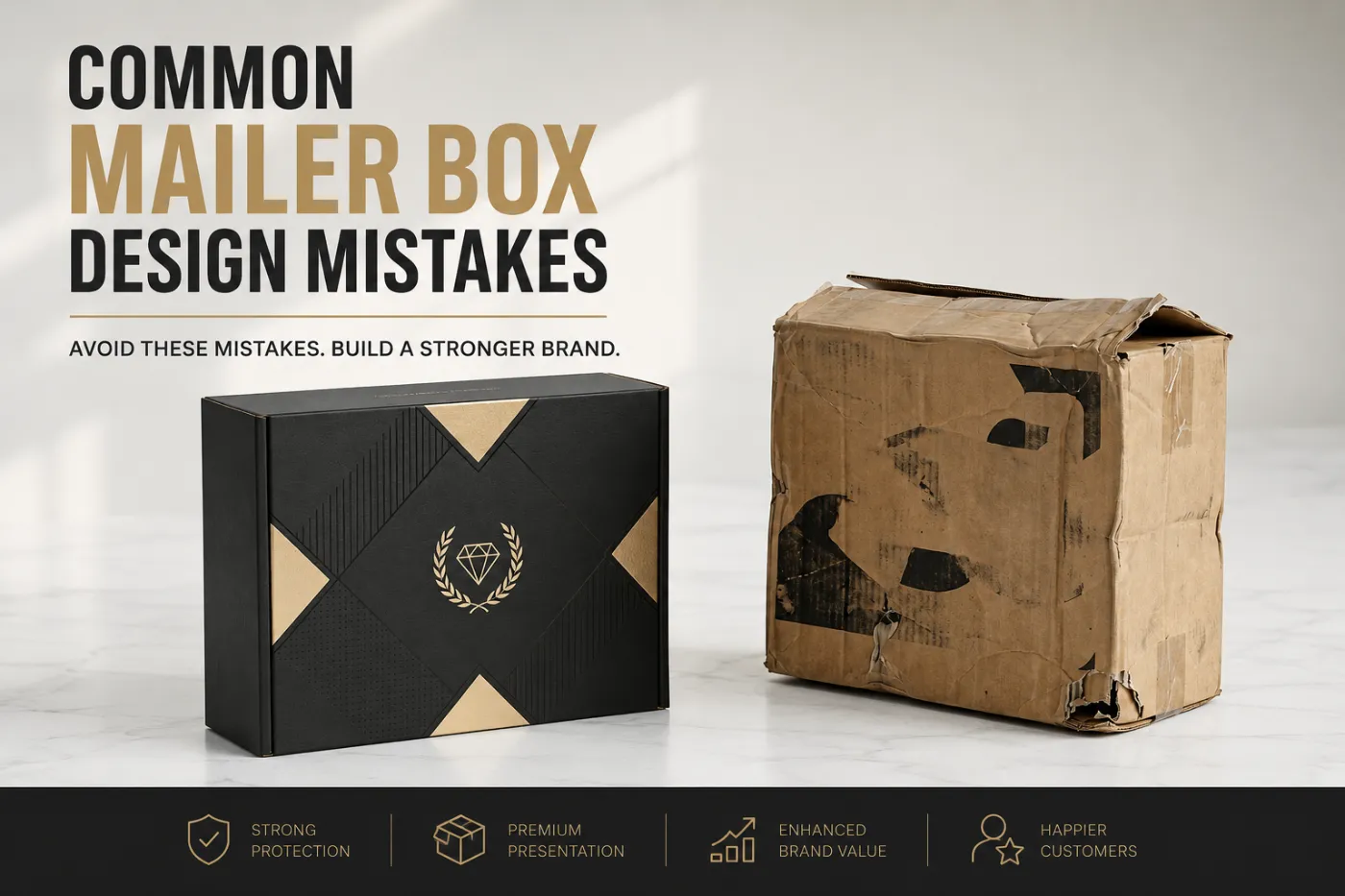

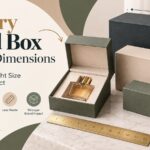

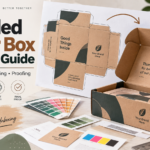

A well-designed mailer box does much more than protect a product during shipping. It creates a strong first impression, reinforces your brand identity, and enhances the customer’s unboxing experience. Whether you’re shipping subscription boxes, cosmetics, apparel, electronics, or promotional products, the design of your packaging directly influences how customers perceive your business.
However, many companies focus only on the appearance of their packaging while overlooking practical design decisions that affect durability, shipping efficiency, and customer satisfaction. Small mistakes such as selecting the wrong box size, using weak materials, or ignoring structural requirements can increase shipping costs, damage products, and reduce the overall value of your packaging.
In my experience managing custom packaging projects, the most successful custom mailer boxes strike a balance between visual appeal and functionality. Attractive graphics may capture attention, but structural strength, material quality, and thoughtful design are what keep products protected and customers impressed.
This guide explains the most common mailer box design mistakes, why they happen, and how to avoid them when creating custom packaging for your brand.

Quick Answer
What are the most common mailer box design mistakes?
The most common mailer box design mistakes include choosing the wrong box size, using weak packaging materials, prioritizing appearance over protection, poor branding, selecting unsuitable printing finishes, ignoring shipping requirements, and overlooking the customer unboxing experience. Avoiding these mistakes helps reduce shipping costs, improve product protection, and create packaging that strengthens your brand.
Key Takeaways
- Choose the correct box dimensions for your products.
- Use durable materials that match shipping requirements.
- Balance attractive design with structural protection.
- Invest in professional branding and print quality.
- Design packaging that improves the customer experience.
- Consider carrier requirements before finalizing your packaging.
In This Guide
In this article, you’ll learn:
- Why mailer box design affects product protection and branding.
- The most common packaging mistakes businesses make.
- How to improve structural and visual design.
- Practical tips for reducing shipping damage and unnecessary costs.
- Best practices for designing mailer boxes that support long-term brand growth.
Why Good Mailer Box Design Matters
A mailer box is often the first physical interaction customers have with your brand. Before they use your product, they evaluate the quality of its packaging. Strong structural design, premium printing, and thoughtful presentation immediately build confidence and create a positive first impression.
Good design also protects products throughout storage, handling, and transportation. A properly engineered mailer box reduces movement inside the package, minimizes damage during shipping, and lowers the chances of costly returns or replacements.
Beyond protection, packaging plays an important role in marketing. Consistent colors, high-quality printing, and a memorable unboxing experience encourage customers to share their purchases on social media and remember your brand for future orders. Businesses that invest in professionally designed custom mailer boxes often see stronger customer engagement and better brand recognition.
Mistake #1: Choosing the Wrong Box Size

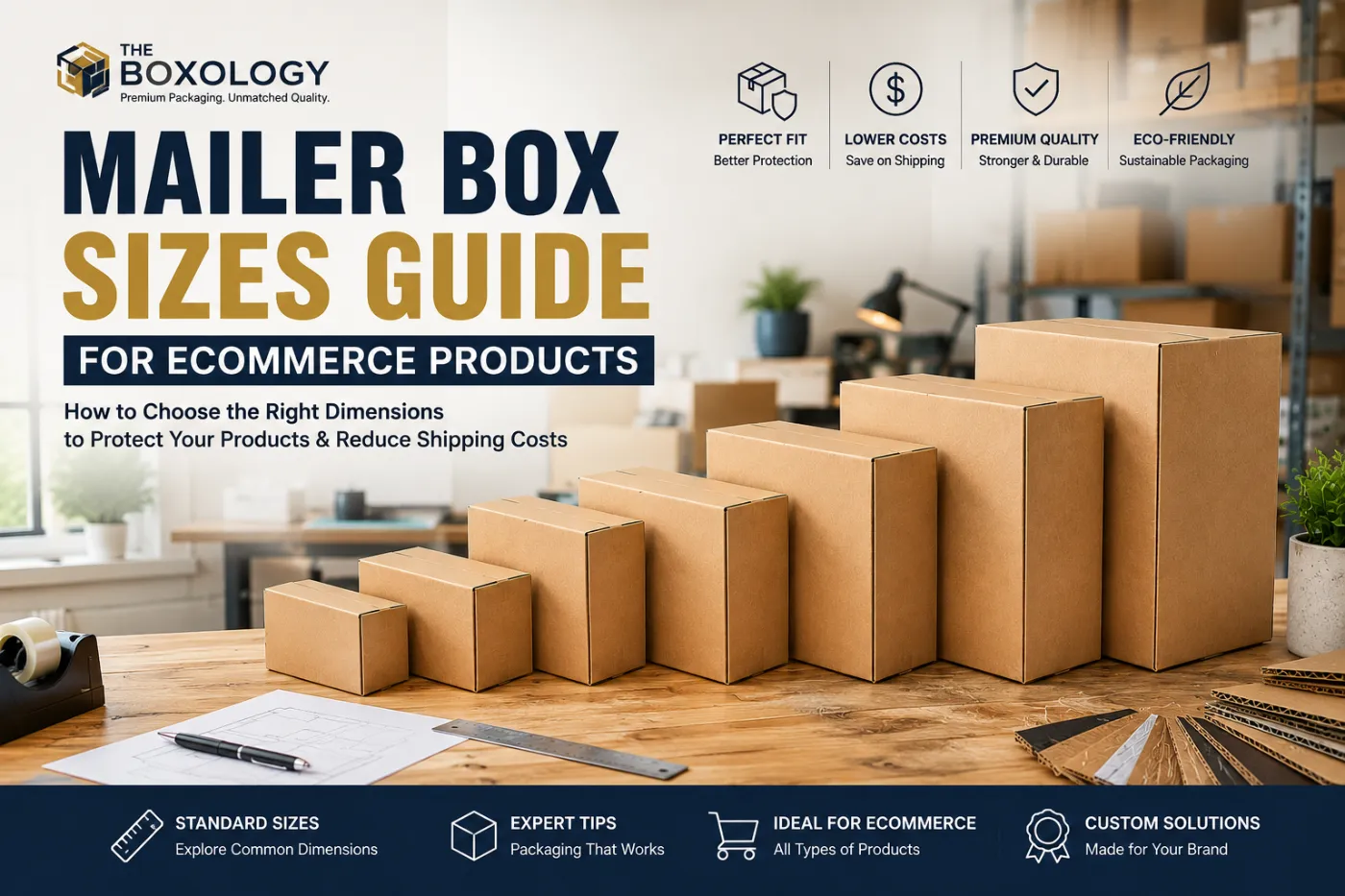
Selecting a mailer box that is too large or too small is one of the most expensive packaging mistakes businesses make.
Oversized boxes require additional void fill, increase dimensional shipping charges, and allow products to move during transit, increasing the risk of damage. Boxes that are too small can place unnecessary pressure on products, leading to crushed packaging or broken items.
The ideal mailer box should provide enough space for the product and protective inserts without leaving excessive empty areas. Custom sizing not only improves product safety but also reduces material waste and shipping expenses.
Why This Mistake Happens
- Using standard box sizes for every product.
- Ignoring dimensional shipping costs.
- Failing to measure products accurately.
- Not allowing space for protective inserts.
Best Practice
Measure your products carefully and design packaging around their actual dimensions instead of selecting the closest stock box size. Custom-sized mailer boxes improve protection, reduce shipping costs, and create a cleaner presentation.
Mistake #2: Ignoring Material Strength

Even the most attractive packaging cannot protect a product if the box is made from the wrong material.
Many businesses choose lightweight materials simply because they cost less. While this may reduce production expenses, weak packaging is more likely to crush, tear, or lose its shape during shipping. The result is damaged products, unhappy customers, and increased replacement costs.
The strength of a mailer box should always match the weight, size, and fragility of the product being shipped. Corrugated board grade, flute type, and material thickness all influence how well a box performs during transportation. Businesses using paper-based packaging should also consider responsibly sourced materials certified by the Forest Stewardship Council (FSC).
Common Problems
- Using a single-wall board for heavy products.
- Choosing low-quality paper stock.
- Ignoring compression strength.
- Selecting materials based only on price.
Best Practice
Choose packaging materials based on product weight, shipping distance, and handling conditions rather than cost alone. High-quality mailer box materials provide better durability, improve customer satisfaction, and reduce long-term shipping losses. Understanding different mailer box materialsalso helps businesses choose packaging that balances durability, print quality, and shipping performance.
Mistake #3: Prioritizing Looks Over Protection
An attractive mailer box may capture attention, but if it fails to protect the product, the packaging has failed its primary purpose.
Many brands focus heavily on colors, graphics, and premium finishes while overlooking structural performance. During shipping, products are exposed to stacking pressure, impacts, and vibration. Without proper structural support, even beautifully designed packaging can arrive damaged.
A successful mailer box design balances visual appeal with durability. Strong corrugated materials, secure locking tabs, and properly fitted inserts should always be considered before decorative elements.
Why This Mistake Happens
- Focusing only on aesthetics.
- Ignoring product weight.
- Not testing packaging before production.
- Using decorative materials that reduce durability.
Best Practice
Always begin with structural design before selecting graphics, finishes, and branding elements. Attractive packaging should complement product protection not replace it.
Mistake #4: Poor Branding and Print Design

A mailer box is often the first branded touchpoint customers experience. Poor print quality or inconsistent branding can make even a premium product appear unprofessional.
Low-resolution artwork, inconsistent brand colors, crowded layouts, and unreadable typography reduce the overall impact of your packaging. Customers should recognize your brand immediately when they receive the package. Choosing the right colored mailer boxes can further strengthen brand identity by creating a consistent visual experience across every shipment.
Good branding isn’t about filling every inch of the box with graphics. Clean layouts, consistent typography, and strategic logo placement usually create a stronger impression than overly complex designs. If you’re planning a new packaging project, our branded mailer box guide explains how strategic branding can improve customer recognition and product presentation.
Common Branding Mistakes
- Low-resolution logos.
- Too much text on the packaging.
- Inconsistent brand colors.
- Poor typography selection.
- Weak visual hierarchy.
Best Practice
Maintain consistent branding across every packaging element. High-quality printing combined with a clean design helps improve brand recognition and creates a more professional customer experience. Businesses looking to improve branding should invest in custom printed mailer boxes that combine high-quality graphics with durable packaging materials.
Mistake #5: Forgetting the Unboxing Experience

The unboxing experience has become an important part of modern ecommerce packaging. Customers often share premium packaging on social media, making every delivery an opportunity to promote your brand.
Many businesses focus only on shipping performance while overlooking the emotional impact of opening the box. Small details such as custom inserts, tissue paper, thank-you cards, and neatly organized products create a memorable experience that encourages repeat purchases.
Well-designed custom mailer box inserts also prevent products from shifting during transit while improving presentation.
Why It Matters
- Creates memorable customer experiences.
- Encourages social media sharing.
- Increases repeat purchases.
- Improves perceived product value.
- Strengthens customer loyalty.
Best Practice
Design every mailer box with both protection and presentation in mind. The goal is to create packaging that customers remember long after receiving their order. Our guide on custom mailer box inserts explains how insert design improves both product protection and the overall unboxing experience.
Mistake #6: Using the Wrong Printing Finish

Choosing an unsuitable printing finish can reduce both durability and visual appeal.
Many businesses select finishes based only on appearance without considering how the packaging will be handled. Gloss coatings may highlight fingerprints, while certain finishes can scratch during transportation if they’re not suited to the shipping environment.
The right finish depends on your brand image, product category, and intended customer experience.
Popular Finishing Options
- Matte Lamination
- Gloss Lamination
- Soft-Touch Lamination
- Spot UV
- Foil Stamping
- Embossing & Debossing
Each finish creates a different visual and tactile effect, so selecting the right combination helps strengthen your overall packaging design.
Best Practice
Choose printing finishes that complement your branding while maintaining durability throughout shipping and handling.
Mistake #7: Ignoring Shipping and Carrier Requirements
A mailer box should be designed for real shipping conditions not just warehouse shelves.
Packages move through automated sorting systems, delivery vehicles, and multiple handling points before reaching customers. Boxes that ignore carrier guidelines or shipping conditions are more likely to become damaged during transit.
Proper dimensions, material strength, and secure closures all contribute to safer deliveries and lower replacement costs.
Common Shipping Mistakes
- Oversized packaging.
- Weak locking tabs.
- Poor weight distribution.
- Insufficient edge protection.
- Ignoring carrier handling requirements.
Best Practice
Before mass production, test your packaging under real shipping conditions. Evaluating compression strength, drop resistance, and closure performance helps identify weaknesses before products reach customers. Industry organizations such as ASTM International publish testing standards that help manufacturers evaluate packaging strength and performance.
The Boxology Expert Insight
From our experience in custom packaging manufacturing, the most successful mailer boxes are designed with both branding and functionality in mind. Businesses often spend considerable time choosing graphics and finishes, but the strongest packaging projects begin with structural engineering.
Selecting the correct box dimensions, corrugated board grade, insert design, and printing method ensures packaging performs consistently throughout the shipping process. Once these structural elements are finalized, visual branding can be added to create an impressive unboxing experience without sacrificing durability.
Investing in thoughtful packaging design from the beginning helps reduce shipping damage, improve customer satisfaction, and build long-term trust in your brand.

Final Thoughts
A successful mailer box design is never based on appearance alone. It combines structural strength, branding, functionality, and customer experience into a single packaging solution that protects products while promoting your business.
Avoiding common design mistakes such as choosing the wrong box size, using weak materials, neglecting print quality, or overlooking the unboxing experience can significantly improve packaging performance and reduce long-term costs. Growing businesses can also reduce long-term packaging costs by ordering wholesale mailer boxes designed specifically for their products and shipping requirements.
Whether you’re launching a new ecommerce brand or improving your existing packaging, investing in thoughtful design helps create a professional first impression and builds lasting customer trust. Well-designed packaging doesn’t just deliver products it delivers your brand. Companies planning larger production runs should also explore our wholesale branded mailer boxes guide to maximize branding while reducing packaging costs. Investing in personalized mailer boxes is another effective way to create a memorable customer experience and strengthen brand loyalty.
Build Better Packaging with The Boxology
A great mailer box is more than a shipping container it’s an extension of your brand. Choosing the right materials, structural design, printing techniques, and finishing options helps create packaging that protects products while delivering an outstanding customer experience.
At The Boxology, we manufacture custom mailer boxes tailored to your product dimensions, branding, and shipping requirements. Whether you need premium ecommerce packaging, subscription boxes, retail mailers, or custom inserts, our team delivers packaging solutions that combine durability with exceptional presentation.