Skip to content








When launch dates approach and production schedules tighten, packaging procurement frequently presents a frustrating hurdle: understanding the true rigid box cost.
Unlike standard folding cartons or corrugated mailers that run through automated high-speed conversion lines, luxury set-up boxes rely heavily on structural engineering, high-density greyboard, specialized wrap papers, and meticulous assembly. It is precisely this structural rigidity that delivers an unmistakable unboxing experience for prestige cosmetics, fine jewelry, luxury timepieces, specialty chocolates, and high-end electronics.
However, calculating an accurate rigid box cost requires looking beyond a single unit price on a quote. Small adjustments in greyboard caliper, wrap paper choice, insert density, or finishing techniques can dramatically impact your total expenditure.

If you are evaluating custom luxury packaging budgets for 2026, this guide breaks down every cost driver, manufacturing variable, and structural choice giving you the clarity needed to balance elegance with fiscal discipline. If you’re new to premium packaging, our complete custom rigid boxes guide explains the different structures, materials, and applications available.
What Is the Average Rigid Box Cost in 2026?
To establish a baseline, a custom rigid box cost typically ranges between $3.00 and $15.00+ per unit for standard-to-premium specifications at medium order volumes. For highly complex short runs or bespoke architectural structures, unit prices can exceed $25.00.
Here is how overall rigid packaging cost tiers generally look across common order volumes:
- Low Volume (250 – 500 units): $8.00 to $18.00+ per unit. (Higher rigid box cost due to initial setup, tooling, and manual hand-wrapping steps).
- Mid Volume (1,000 – 3,000 units): $4.00 to $9.00 per unit. (Balanced custom rigid box cost where setup expenses amortize efficiently).
- High Volume / Wholesale (5,000+ units): $2.50 to $5.50 per unit. (Optimal rigid box wholesale pricing leveraged through semi-automated production lines).
While these ranges serve as a reliable reference point, your final rigid box manufacturing cost is determined by six primary structural and production factors.
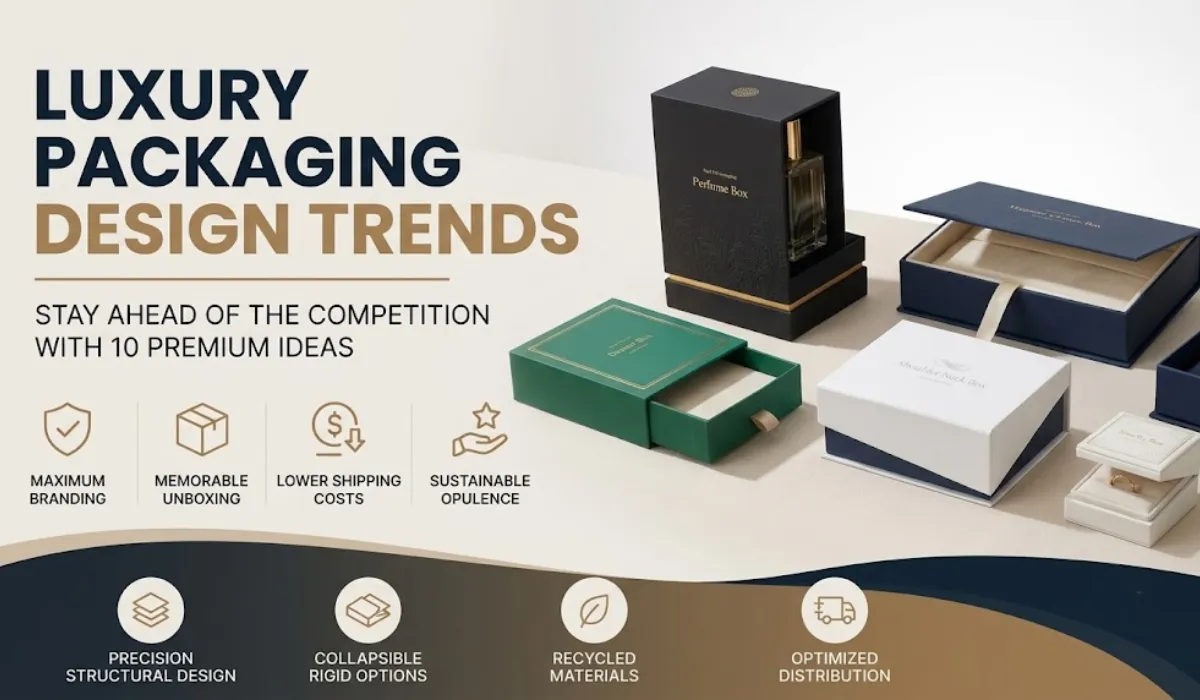
Before comparing prices, it’s equally important to understand how professionally engineered custom rigid boxes combine premium materials, structural strength, and luxury presentation to deliver long-term value beyond the initial manufacturing cost.
The 6 Core Factors Impacting Your Rigid Box Cost
1. Structural Style and Box Architecture

The physical geometry of your container dictates both material consumption and assembly time.
- Telescopic (Partial & Full Overlap Lid): The classic 2-piece setup (base and lid). This represents the most cost-effective entry point into premium rigid boxes because the manufacturing process is highly standardized.
- Hinged / Book-Style Boxes: Featuring a spine attached to the base, this structure increases rigid packaging cost slightly due to precise alignment requirements and additional wrap material.
- Magnetic Closure Boxes: Incorporating hidden neodymium magnets within the front flap creates a satisfying tactile snap. However, embedding magnets adds material expenses and manual insertion labor, raising your custom rigid box cost by $0.75 to $2.00 per unit.
Premium magnetic closure boxes remain one of the most popular rigid packaging styles for luxury retail products because they combine secure protection with an exceptional unboxing experience.
- Shoulder & Neck Boxes: Built with an inner collar so the lid sits flush with the base. This architecture demands high precision during gluing, increasing the baseline luxury rigid box price.
Partial Overlap Lid < Full Overlap Lid < Book-Style < Magnetic Closure < Shoulder & Neck
(Lowest Base Unit Cost) ————————————————-> (Highest Base Unit Cost)
2. Greyboard Density and Caliper

The foundation of any set-up box is chipboard or greyboard. Thickness is measured in millimeters or points (pt):
- 1.5mm (approx. 60pt): Standard lightweight rigidity. Suitable for small cosmetic compacts or light jewelry boxes.
- 2.0mm (approx. 80pt): The industry standard for balanced strength and tactile weight, Many premium custom jewelry boxes use 2.0mm greyboard because it offers an ideal balance between strength, weight, and luxurious presentation.
- 3.0mm+ (approx. 120pt+): Heavy-duty construction reserved for high-value spirits, heavy candle jars, or multi-item corporate gifts.
Upgrading from 1.5mm to 3.0mm greyboard increases raw material expense and finished weight, directly impacting your freight and overall rigid box cost.
Premium packaging performance also depends on material selection, which we explore in our comparison of jewelry box materials.
3. Wrap Paper and Material Substrates

Greyboard supplies the structure, but the wrap material creates the visual and tactile first impression.
- Standard Coated / Art Paper (128gsm – 157gsm): Economical, ideal for full-color offset printing and soft-touch lamination. Keeps the rigid gift box cost manageable.
- Specialty Kraft & Textured Papers: Dyed-through papers (like Fedrigoni or Arjowiggins) offer rich tactile grain without requiring full ink coverage.
- Velvet, Leatherette, or Linen Wraps: Fabric-wrapped structures elevate brand positioning but introduce specialized adhesives and hand-folding techniques that noticeably push up the rigid box pricing.
Many premium paper suppliers source materials certified by the Forest Stewardship Council (FSC) to support responsible forestry and sustainable paper production.
4. Printing & Surface Treatments

Custom embellishments transform plain containers into custom luxury packaging, but each process adds a distinct layer to your unit price:
| Finishing Technique | Estimated Added Unit Cost | Impact on Perceived Value |
| Matte / Gloss Lamination | $0.10 – $0.35 | Protects against scuffs; essential base coat |
| Soft-Touch Lamination | $0.20 – $0.50 | Premium velvet-like feel; subtle luxury signal |
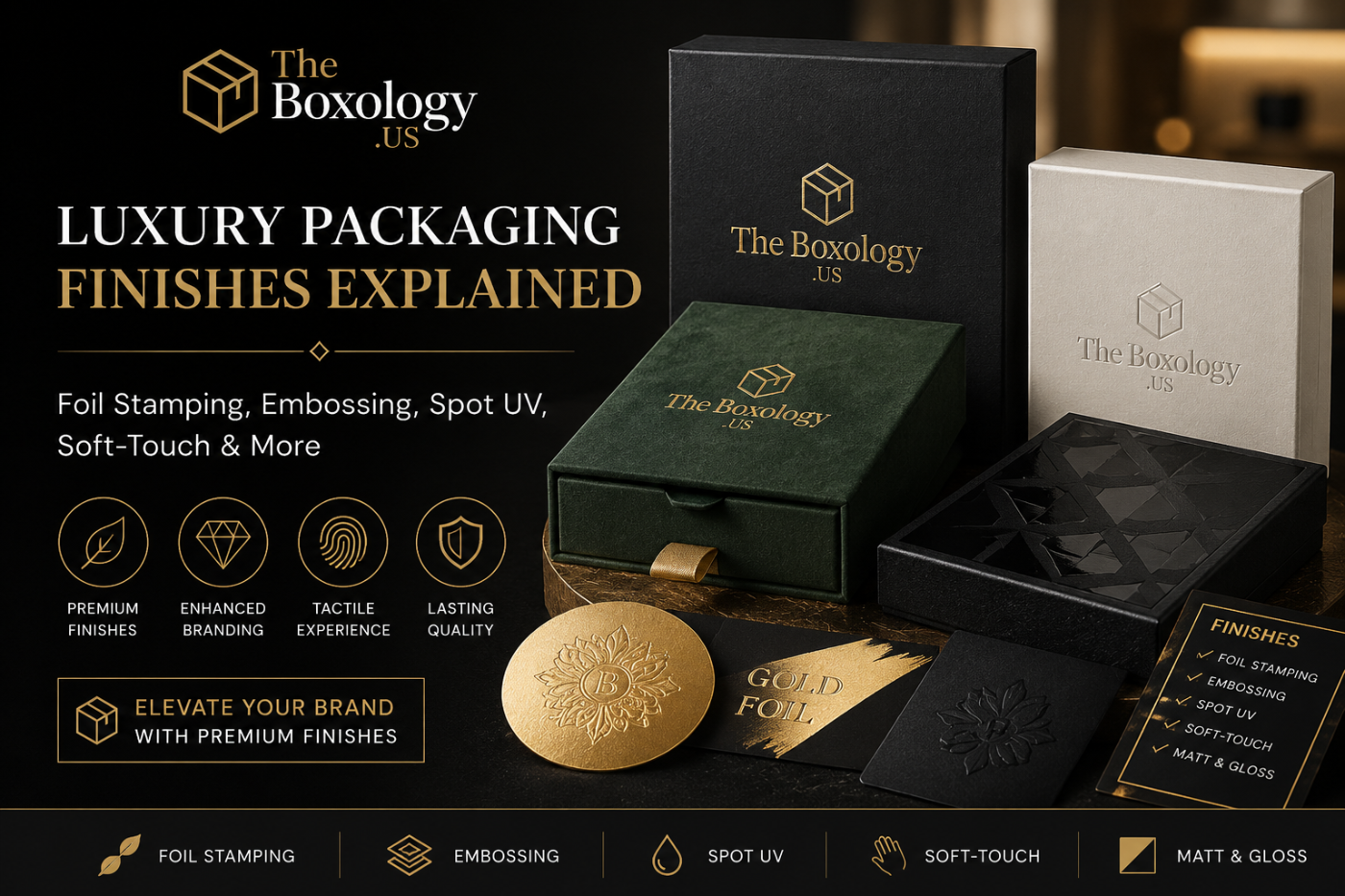
| Foil Stamping (Metallic/Matte) | $0.25 – $1.20 | High-contrast branding; requires custom brass die |
| Embossing / Debossing | $0.15 – $0.60 | Tactile dimension; requires paired male/female dies |
| Spot UV Coating | $0.15 – $0.50 | Selective gloss contrast over matte backgrounds |
Selecting the right finish has a significant impact on both branding and production costs, as explained in our guide to luxury packaging finishes. Luxury cosmetic brands often combine premium board materials with advanced finishes to elevate shelf appeal, as discussed in our luxury cosmetic packaging design guide.
5. Custom Fit Inserts

Placing a fragile product loosely inside a box compromises both safety and unboxing presentation.
- Thermoformed Plastic Trays: Low unit price at high volumes, but carries steep upfront mold tooling fees ($800–$2,000).
- EVA / High-Density Foam: Precision laser-cut or die-cut foam lined with velvet delivers maximum protection for glassware, watches, and perfumes. Increases rigid box manufacturing cost but offers superior drop test protection. Protective inserts are especially important for custom perfume boxes, where glass bottles require additional cushioning during storage and transportation.
- Cardboard / E-Flute Paper Inserts: Recyclable, eco-friendly option that maintains a clean look while controlling overall custom rigid box cost.
6. Freight, Dimensional Weight, and Assembly
A critical oversight in budgeting is freight. Rigid boxes are rigid they do not ship flat like folding cartons.
Shipping assembled boxes means paying for air volume. Consequently, ocean or ground freight can represent 15% to 30% of your total rigid box pricing if not calculated early in the design phase.
Rigid Box vs. Folding Carton vs. Corrugated Mailer

To help you decide whether a set-up structure fits your product margins, here is how rigid packaging cost compares against alternative box styles:
| Packaging Type | Average Unit Cost | Material Composition | Setup / Assembly | Primary Application |
| Folding Carton | $0.35 – $2.00 | 16pt – 24pt SBS Paperboard | Ships flat; auto-bottom assemble | Light retail items, tea, cosmetics |
| Corrugated Mailer | $1.00 – $4.00 | Fluted E-flute / B-flute board | Ships flat; folded manually | E-commerce shipping, subscription boxes |
| Rigid Box | $3.00 – $15.00+ | 1.5mm – 3.0mm Greyboard + Wrap | Ships fully formed / pre-assembled | Luxury goods, jewelry, prestige gifts |
Understanding how rigid packaging differs from corrugated materials becomes easier when you compare both structures side by side in our guide to corrugated packaging materials.
The Boxology’s Expert Insight
Pro Tip for Procurement & Brand Managers:
What most businesses overlook is the hidden cost of “Dimensional Oversize.” In our experience working with bulk manufacturers and direct-to-consumer brands at The Boxology.US, reducing your box’s exterior dimensions by as little as 0.25 inches (6mm) can drop the shipping tier for your carrier parcel rates. Furthermore, if you are opting for a shoulder-and-neck or 2-piece box, ask your packaging engineer to nest the bases and lids during transit if possible, or right-size the master shipping carton to eliminate empty space. This simple structural modification often saves more on landed logistics costs than trying to trim pennies off the paper substrate.
4 Practical Strategies to Reduce Your Rigid Box Cost
If your initial quote exceeds your target unit margin, you do not have to compromise on visual impact. Try these proven optimization levers:
1. Optimize Order Quantities and Batch Sizes
Because set-up box machinery requires substantial calibration time, low-volume runs carry heavy fixed setup fees. Increasing your run from 500 to 2,000 units can drop your custom rigid box cost by up to 45% per unit. If storing finished boxes is a challenge, discuss inventory release programs or custom rigid boxes wholesale holding agreements with your packaging provider.
2. Standardize Structural Tooling
Custom shapes (round, hex, trapezoidal) require bespoke cutting dies and manual assembly jigs. Sticking to standard rectangular or square footprints allows manufacturers to utilize stock die-lines, immediately lowering your initial rigid box pricing.
3. Be Strategic with Embellishments
Instead of applying foil stamping, embossing, and spot UV across all four sides, focus high-end finishing exclusively on the top lid logo. Replacing full soft-touch lamination with a high-grade matte varnish on the box base preserves the tactile impression where it matters most while reducing overall rigid packaging cost.
4. Re-evaluate Insert Materials
Switching from high-density EVA foam to a custom-engineered, velvet-flocked paperboard insert can lower your insert material cost by 30% without sacrificing presentation or structural hold during transport.
Businesses pursuing more sustainable packaging practices can also review the EPA recycling guidance for recommendations on reducing packaging waste.
Step-by-Step Checklist Before Requesting a Rigid Box Quote
To receive an accurate, line-itemized breakdown of your rigid box cost without back-and-forth delays, prepare the following specifications:
- Exact Product Dimensions: Length x Width x Height (mm or inches).
- Estimated Order Volume: Single run quantity vs. annual forecast (e.g., 1,000 vs 5,000 units).
- Target Box Style: Lid & Base, Magnetic Closure, Book Style, or Drawer Box.
- Weight of Product: Ensures correct greyboard thickness selection (1.5mm, 2.0mm, or 3.0mm).
- Wrap & Material Preference: Coated art paper, natural kraft, textured specialty paper, or fabric.
- Print & Finishing Specs: CMYK offset print, foil stamping colors, debossing details, lamination type.
- Insert Requirements: Foam, thermoformed tray, or eco-friendly paperboard insert.
- Delivery Zip Code & Timeline: Helps accurately calculate landed freight and lead-time constraints.

Final Thoughts: Balancing Elegance and ROI
Investing in premium rigid boxes is fundamentally an investment in your brand’s perceived value. When customers open a heavy, precisely engineered box with a smooth tactile finish, that experience validates high price points and fosters lasting brand loyalty.
Understanding what drives your rigid box cost empowers you to make intentional design choices allocating budget where it creates maximum visual impact while eliminating unnecessary manufacturing overhead.
At The Boxology.US, our engineering team helps brands navigate every stage of structural design, material selection, and cost optimization. Whether you are launching a new luxury product line or seeking better margins on existing packaging, we are here to ensure your packaging performs flawlessly on the shelf and on the balance sheet.
Investing in premium luxury packaging helps brands strengthen perceived value while creating memorable customer experiences that support long-term brand loyalty.
Ready to Optimize Your Luxury Packaging Budget?
Receive a comprehensive structural review and itemized cost breakdown tailored to your project.
👉 Contact The Boxology.US Today for a Free Packaging Consultation
First-time clients are eligible for 25% off their initial production sample run.