 Skip to content

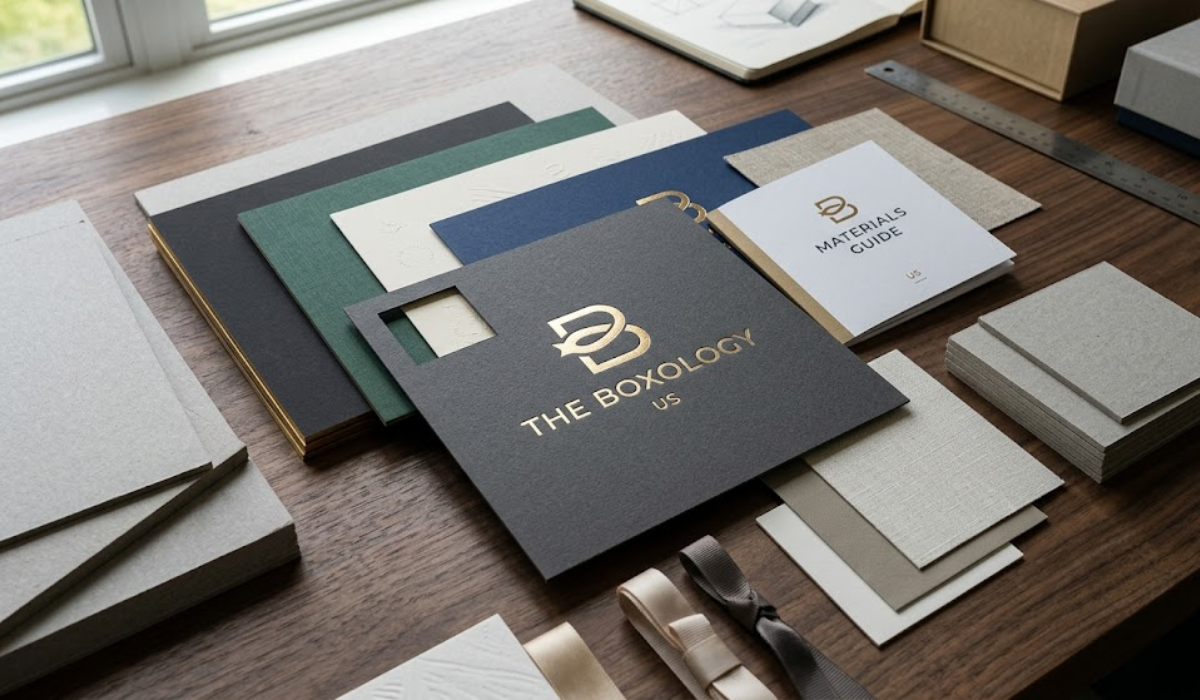


Luxury packaging materials play a critical role in how customers perceive a product before they even open the box. While premium printing and decorative finishes often receive the most attention, the material beneath the surface determines structural strength, product protection, production quality, and long-term brand perception. Selecting the right material isn’t simply a design decision it’s an engineering decision that directly influences durability, manufacturing efficiency, and customer experience.
In my experience managing premium rigid packaging production, many businesses spend weeks choosing colors, embossing, or foil stamping while overlooking the foundation of the box itself. The wrong board thickness, wrapping material, or paper selection can lead to corner cracking, poor wrap adhesion, inconsistent print quality, or unnecessary freight costs. The most successful luxury brands begin every packaging project by selecting materials that match both their product requirements and their brand positioning.
For businesses investing in rigid boxes, material selection becomes even more important because premium packaging is expected to protect the product while delivering a memorable unboxing experience. A well-engineered material combination improves durability, manufacturing consistency, and perceived product value.
Quick Answer
What are the best materials for luxury packaging?
The best luxury packaging materials depend on the product, brand image, and distribution requirements. Rigid greyboard remains the preferred structural material for premium boxes because of its exceptional strength and stability. It is commonly paired with specialty papers, textured wraps, fabric coverings, or premium laminates to achieve the desired appearance. Businesses seeking sustainable packaging often combine recycled rigid board with FSC-certified wrapping papers without sacrificing a luxury presentation.
In This Guide
In this article, you’ll learn:
- Why luxury packaging materials matter.
- The most commonly used materials in premium packaging.
- How different materials affect durability and branding.
- Sustainable material options for luxury brands.
- Cost considerations when sourcing premium packaging.
- Expert recommendations for selecting materials for wholesale production.
Why Material Selection Matters in Luxury Packaging
The material determines how premium packaging performs throughout manufacturing, shipping, retail display, and customer use.
Luxury packaging must achieve more than an attractive appearance. It must maintain its structural integrity during transportation, withstand repeated handling, and present the product exactly as the brand intended.
Packaging engineers typically evaluate:
- Structural strength
- Board thickness
- Surface finish compatibility
- Print performance
- Moisture resistance
- Wrapping consistency
- Product weight
- Shipping conditions
Ignoring these factors often leads to production delays, damaged packaging, and inconsistent brand presentation.
What procurement managers often miscalculate during sourcing is that changing a board specification by only a fraction of a millimeter can affect compression strength, wrapping performance, and freight costs across an entire production run.
Rigid Greyboard: The Foundation of Premium Packaging
Rigid greyboard is the industry standard for luxury packaging because it combines exceptional strength with outstanding dimensional stability.
Most premium rigid boxes are manufactured using rigid greyboard ranging from approximately 1.5 mm to 3 mm, depending on product weight and structural requirements.

Unlike folding cartons, rigid greyboard does not collapse under normal handling conditions. It provides a solid structure capable of supporting premium finishes such as:
- Soft-touch lamination
- Foil stamping
- Spot UV coating
- Embossing
- Debossing
- Specialty paper wraps
Because of its high compression strength, rigid greyboard is widely used for:
- Luxury cosmetics
- Perfume packaging Boxes
- Jewelry packaging boxes
- Electronics
- Corporate gift boxes
- Premium retail packaging
In high-volume production environments, rigid greyboard also provides consistent die-cutting accuracy and reliable wrap adhesion, helping manufacturers reduce waste while maintaining uniform product quality.(EPA)
Specialty Papers: Elevating Premium Brand Presentation
Specialty papers transform a structurally strong box into a luxury product by enhancing texture, color consistency, and visual appeal.

Once the rigid board structure is manufactured, it is typically wrapped with premium paper that defines the final appearance of the packaging.
Common options include:
- Coated art paper
- Uncoated premium paper
- Linen-textured paper
- Cotton paper
- Metallic paper
- Pearl-finish paper
- Soft-touch paper
Each material creates a different customer impression while supporting various printing and finishing techniques.
For brands emphasizing elegance and exclusivity, specialty papers often deliver a higher perceived value than additional decorative effects alone.
Textured Papers: Creating a Premium Tactile Experience
Textured papers add depth, character, and a high-end tactile feel that standard coated papers cannot replicate.
Luxury packaging isn’t judged only by how it looks. Customers also notice how it feels when they hold it. Texture creates an immediate perception of craftsmanship and exclusivity, making it one of the most effective ways to differentiate premium products.
Popular textured paper options include:
- Linen finish
- Laid paper
- Felt paper
- Hammered texture
- Wove paper
- Embossed specialty papers
These materials are frequently used for:
- Premium cosmetics
- High-end spirits
- Jewelry packaging
- Luxury apparel
- Corporate presentation boxes
From a manufacturing perspective, textured papers require careful wrap alignment and adhesive control. Their uneven surface can make foil stamping, embossing, or intricate graphics more challenging, which is why experienced converters adjust production settings to maintain consistent results.
Fabric-Wrapped Luxury Packaging
Fabric wraps provide one of the most luxurious packaging finishes available, combining elegance with exceptional tactile appeal.

Brands positioned in the premium or luxury market often use fabric-covered rigid boxes to create a memorable first impression.
Common materials include:
- Cotton fabric
- Velvet
- Satin
- Canvas
- Suede
- Silk-effect textiles
Fabric wrapping is commonly chosen for:
- Luxury watches
- Fine jewelry
- Executive gifts
- Limited-edition collections
- Collector’s packaging
In my experience overseeing premium production runs, fabric wrapping requires tighter quality control than paper wrapping. Maintaining uniform tension and precise corner folding is essential to avoid wrinkles, uneven edges, or adhesive bleed that can compromise the finished appearance.
Leatherette Materials for Premium Packaging
Leatherette coverings deliver the appearance of genuine leather while offering better production consistency and lower manufacturing costs.
Luxury brands often select leatherette materials when they want packaging that communicates prestige without the cost or maintenance associated with real leather.
Advantages include:
- Premium appearance
- Excellent durability
- Moisture resistance
- Easy maintenance
- Consistent color matching
- Wide range of textures
Leatherette is widely used for:
- Executive gift boxes
- Premium electronics
- Luxury accessories
- Award presentation boxes
- Corporate gifting
Because of its durability, leatherette packaging also performs well in long-term storage and repeated customer handling. Many premium brands also choose magnetic closure boxes for executive gifting because they combine durability with an elegant opening experience.
Sustainable Luxury Packaging Materials
Modern luxury packaging can be environmentally responsible without sacrificing structural performance or premium presentation.
Sustainability has become a purchasing consideration for both businesses and consumers. Many premium brands now request environmentally responsible materials while maintaining the elegant appearance expected in the luxury market.
Popular sustainable options include:
- Recycled rigid greyboard
- FSC-certified wrapping papers
- Water-based adhesives
- Soy-based printing inks
- Recyclable specialty papers
- Plastic-free decorative materials
The key is selecting sustainable materials that still meet structural and aesthetic requirements.
Many procurement managers mistakenly assume recycled materials always produce lower-quality packaging. Today’s premium recycled boards offer excellent rigidity, reliable die-cutting performance, and consistent wrap adhesion when sourced from reputable manufacturers.
Domestic US Wholesale Advantages
Working with a domestic packaging supplier improves quality control, shortens lead times, and simplifies communication throughout production.
Businesses sourcing luxury packaging in the United States often benefit from:
Faster Lead Times
Domestic production reduces transportation delays and allows businesses to respond more quickly to inventory demands.
Better Quality Control
Manufacturers can inspect board quality, wrapping accuracy, color consistency, and structural integrity throughout production rather than relying solely on final inspections.
Lower Freight Risk
Shipping finished luxury packaging internationally increases the likelihood of corner damage, moisture exposure, and handling-related defects.
Flexible Minimum Order Quantities (MOQ)
Many domestic suppliers offer more flexible production volumes, making custom luxury packaging accessible to both established brands and growing businesses.
For premium packaging projects, faster communication between designers, manufacturers, and procurement teams often results in fewer production revisions and more predictable delivery schedules.
The Boxology’s Expert Insight
One of the most overlooked factors in luxury packaging production is material compatibility. Choosing premium paper, fabric, or leatherette independently is not enough. Every wrapping material must be compatible with the selected greyboard thickness, adhesive system, and finishing process. In large production runs, even slight differences in paper expansion caused by humidity can affect wrap alignment and corner precision. Testing the complete material combination before full-scale manufacturing consistently reduces waste, improves production efficiency, and ensures every box meets premium quality standards.
Comparison of Luxury Packaging Materials

| Material | Premium Appearance | Structural Strength | Print Compatibility | Cost Effectiveness | Best Applications |
| Rigid Greyboard | ★★★★★ | ★★★★★ | ★★★★★ | ★★★★☆ | Luxury rigid boxes, electronics, cosmetics |
| Specialty Papers | ★★★★★ | ★★★☆☆ | ★★★★★ | ★★★★☆ | Premium retail packaging, branding |
| Textured Papers | ★★★★★ | ★★★☆☆ | ★★★★☆ | ★★★☆☆ | Jewelry, perfumes, corporate gifts |
| Fabric Wraps | ★★★★★ | ★★★★☆ | ★★☆☆☆ | ★★☆☆☆ | Watches, luxury gifting, collector editions |
| Leatherette | ★★★★★ | ★★★★☆ | ★★★☆☆ | ★★★☆☆ | Executive packaging, premium accessories |
How to Choose the Right Luxury Packaging Material
The best luxury packaging material depends on your product, brand positioning, shipping requirements, and production budget not simply on appearance.
Selecting premium packaging should always begin with understanding how the package will perform throughout its lifecycle. A luxury perfume box displayed in a retail boutique has different structural requirements than a rigid box used to ship high-value electronics across the country. Businesses comparing premium formats often evaluate collapsible rigid boxes when reducing storage space and shipping volume is a priority.
Before approving a material specification, evaluate these critical factors.
Product Weight & Protection Requirements
Luxury packaging should protect the product as effectively as it promotes it.
For example:
- Lightweight cosmetics perform well with 1.5–2 mm rigid greyboard wrapped in premium art paper.
- Premium perfumes often require 2–2.5 mm rigid board for added durability and shelf presence.
- Jewelry and watches frequently use thicker rigid board with foam or velvet inserts to prevent movement during transportation.
- Corporate gifts and electronics may require reinforced structures to withstand stacking and long-distance shipping.
Using excessive board thickness increases production and freight costs, while under-specifying the material can compromise structural performance.
Brand Identity
Every material communicates a different message to customers.
Brands focused on modern luxury often prefer smooth matte papers with minimalist printing, while heritage or handcrafted brands frequently select textured papers or kraft wraps to emphasize authenticity.
Consider how your material aligns with your brand:
- Smooth coated papers: Modern, clean, and premium
- Textured papers: Elegant, handcrafted, sophisticated
- Fabric wraps; Exclusive and luxurious
- Leatherette finishes: Executive and prestige-focused
- Recycled specialty papers: Sustainable premium branding
The most successful luxury packaging doesn’t follow trends; it reflects the identity of the brand inside the box. Premium brands also use drawer boxes to create a memorable unboxing experience for high-value products. Luxury jewelry and cosmetic brands frequently prefer shoulder neck boxes because of their premium presentation and precise fit.
Printing & Finishing Compatibility
Some materials produce dramatically better results with premium finishing techniques.
If your packaging design includes:
- Foil stamping
- Embossing
- Debossing
- Spot UV
- Soft-touch lamination
- Metallic inks
then the wrapping material must be compatible with those processes.
In my experience working with premium rigid packaging, many finishing issues originate from selecting decorative papers that cannot consistently support the desired print or coating process. Testing the material before full production is considerably less expensive than correcting thousands of finished boxes.
Production Efficiency
Luxury packaging should also be practical to manufacture.
Procurement teams should evaluate:
- Material availability
- Lead times
- Color consistency
- Wrap accuracy
- Adhesive compatibility
- Manufacturing waste
- Quality control requirements
Selecting materials that perform consistently across multiple production batches reduces delays and helps maintain brand consistency over time.
Common Material Selection Mistakes
Even experienced buyers occasionally make costly decisions when sourcing luxury packaging.
The most common mistakes include:
Choosing Materials Based Only on Appearance
Premium-looking materials may not always provide the durability required for transportation or long-term storage.
Ignoring Shipping Conditions
Luxury packaging must withstand warehouse handling, pallet stacking, and nationwide shipping without losing its structural integrity.
Mixing Incompatible Materials
Not every paper, fabric, adhesive, or coating works well together.
Testing complete material combinations before production helps avoid costly manufacturing problems.
Prioritizing Price Instead of Long-Term Value
The least expensive material often becomes the most expensive choice when damaged packaging, production waste, and product returns are taken into account.
Final Thoughts
Luxury packaging begins long before printing or finishing. It starts with selecting materials capable of supporting the structural, visual, and functional demands of premium products.
Rigid greyboard continues to serve as the foundation of most high-end packaging because of its exceptional strength and consistency. Combined with carefully selected specialty papers, textured finishes, fabric wraps, or sustainable materials, it allows brands to create packaging that protects products while delivering a memorable customer experience.
In my experience managing premium packaging projects, the strongest results come from balancing engineering with design. Businesses that carefully evaluate board specifications, wrapping materials, manufacturing processes, and logistics requirements consistently produce packaging that performs as well as it looks.
Whether you’re developing luxury packaging for cosmetics, perfumes, jewelry, electronics, or corporate gifts, choosing the right material is an investment in product protection, brand perception, and long-term customer satisfaction.
Build Premium Packaging with the Right Materials
Luxury packaging should do more than attract attention; it should protect your product, strengthen your brand, and create a memorable customer experience from the very first interaction.
At The Boxology, we design custom rigid boxes using carefully selected luxury packaging materials engineered for durability, precision manufacturing, and premium presentation. Whether you’re launching a new product or upgrading your existing packaging, our specialists can help you choose the ideal board grade, wrapping material, and finishing combination for your application.


