Skip to content


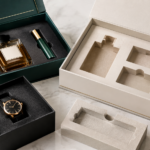

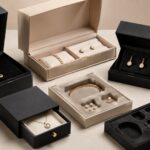


A rigid box may look premium from the outside, but the inside of the packaging is just as important. Custom rigid box inserts help hold products in place, improve presentation, and reduce unnecessary movement inside the box.
The right insert depends on the product you are packaging. Size, weight, shape, fragility, shipping conditions, and the desired unboxing experience can all affect the best choice.
For example, a glass perfume bottle may need more support than a lightweight cosmetic product, while jewelry packaging may focus heavily on presentation.
In this guide, we explain the common types of rigid box inserts, where they work best, and what to consider before choosing one.
What Are Custom Rigid Box Inserts?
Custom rigid box inserts are fitted components placed inside a rigid box to hold, organize, separate, or display products.
Unlike loose packaging filler, an insert can be designed around the shape and dimensions of the product. It may contain one product cavity or several compartments for a complete set.
For example, a skincare gift box could have separate spaces for a bottle, jar, and applicator. A jewelry box may use a fitted section that keeps a ring or bracelet centered when the box is opened.
The goal is simple: the insert should work with the box to provide a better product fit and presentation.
Why Are Inserts Important in Rigid Packaging?
An insert can improve both protection and presentation.
If a product has too much empty space around it, it may move inside the box during handling or shipping. It can also make the packaging feel poorly planned when the customer opens it.
A properly designed insert can help:
- Keep the product in position
- Separate multiple products
- Reduce unnecessary movement
- Improve product presentation
- Organize accessories or components
- Create a cleaner unboxing experience
However, the insert should be selected around the actual product. Adding thick cushioning to a product that does not need it can increase packaging size and material use without providing a meaningful benefit.
What Should You Consider Before Choosing an Insert?
Before deciding on a material, understand what the insert needs to do.
Product Size and Shape
Measure the product accurately. The insert should fit its actual dimensions rather than being designed around an estimate.
Irregularly shaped products may require custom-cut cavities, while simple products can often use straightforward compartments.
Weight and Fragility
A lightweight accessory and a heavy glass bottle need different levels of support.
Consider whether the product could crack, scratch, dent, or move during transportation.
Shipping Conditions
A box displayed at retail may have different protection requirements from one shipped directly to customers.
If the package will travel through an e-commerce shipping network, product movement and internal support become especially important.
Presentation
Think about what the customer should see when opening the box.
Should the product sit in the center? Do multiple products need separate compartments? Should an accessory appear underneath the main item?
Plan this experience before finalizing the box.
Foam Inserts for Rigid Boxes
Foam inserts are useful when cushioning and a precise product fit are priorities.
The foam can be cut according to the shape of the item, creating a dedicated space that helps keep the product in position.
Foam inserts are commonly considered for:
- Jewelry and watches
- Electronics
- Glass products
- Premium accessories
- Tools and components
- Gift sets
They can be particularly helpful for fragile or higher-value products.
However, foam is not automatically the best option for every rigid box. Product weight, desired appearance, sustainability preferences, and packaging budget should also be considered.
Paperboard Inserts
Paperboard inserts offer a clean and structured way to organize products.
They can be cut and folded into compartments, platforms, dividers, and openings. This makes them useful for products where presentation is important but heavy cushioning may not be necessary.
Common applications include:
- Cosmetics
- Skincare
- Candles
- Small accessories
- Lightweight retail products
- Gift sets
Paperboard also gives brands a surface that can visually complement the rest of the packaging.
For businesses interested in reducing foam or plastic-based components, suitable paper-based inserts may also be worth considering, depending on the required level of protection.
Corrugated Inserts
Corrugated inserts contain a fluted paper layer that provides additional rigidity and support.
They can be useful for heavier products or packaging that needs stronger internal separation.
Common applications can include bottles, jars, product sets, and e-commerce products.
Corrugated inserts may not always create the same visual effect as fabric-covered or premium presentation inserts, but they can be a practical choice when internal strength and shipping protection are more important.
Molded Pulp Inserts
Molded pulp inserts are formed to create spaces around specific products.
They can provide structured support while using a fiber-based material, making them an option worth considering when a brand wants to explore paper-based internal packaging.
They may work for cosmetics, bottles, personal care products, electronics, and other products that need a shaped internal structure.
The final decision should still consider product weight, fragility, appearance, and shipping requirements.
Which Insert Material Should You Choose?
There is no single material that works best for every rigid box.
| Insert | Best Considered For | Main Benefit |
| Foam | Fragile or valuable products | Cushioning and precise fit |
| Paperboard | Cosmetics, gifts, lighter products | Clean, flexible presentation |
| Corrugated | Heavier or shipped products | Strong internal support |
| Molded Pulp | Products needing formed support | Structured fiber-based option |
| Fabric-Covered | Jewelry, watches, premium gifts | Luxury presentation |
Use this table as a starting point rather than a fixed rule. The actual product should determine the final insert structure.
Choosing Inserts for Different Products
Different industries have different packaging priorities.
Jewelry and Watches
Presentation is especially important for jewelry and watches. A fitted foam or fabric-covered insert can help keep the item centered while creating a clean product reveal.
The insert should also allow the customer to remove the product easily.
Cosmetics and Skincare
Cosmetic gift sets often contain bottles, jars, tubes, and accessories of different sizes.
Paperboard, foam, molded pulp, or other fitted structures can create a dedicated space for each item and keep the set organized.
Perfume Bottles
Perfume packaging requires careful planning because glass bottles can be both fragile and relatively heavy.
A fitted insert can help reduce movement while keeping the bottle properly presented. The right material depends on bottle shape, weight, shipping conditions, and the desired appearance.
Electronics
Electronics packaging may need separate compartments for a device, cable, adapter, manual, and accessories.
A structured insert can keep these components organized while making them easy for customers to identify and remove.
Design the Insert and Rigid Box Together
One of the most important steps is planning the insert before the outer packaging is finalized.
A better process is:
Measure the product → Plan the insert layout → Determine internal dimensions → Finalize the box structure.
If the outer box is completed first, the insert may have to fit into dimensions that were never designed around the actual product.
When developing custom rigid boxes, provide product dimensions and insert requirements early in the packaging process. This allows the internal layout and outer box to work together as one packaging system.
Make Sure Customers Can Remove the Product
A tight fit is not always a good fit.
One common mistake is creating an insert that holds the product securely but makes it difficult to remove.
Depending on the design, finger notches, pull ribbons, tabs, or appropriately sized openings can make product removal easier.
This is especially important for small products that sit deep inside a fitted cavity.
The goal should be to balance:
Protection + Presentation + Easy Access
Common Mistakes to Avoid
A few simple mistakes can reduce the effectiveness of an insert.
Choosing by appearance only: A premium-looking insert still needs to support the product properly.
Using the same insert for every product: Different weights, shapes, and fragility levels require different solutions.
Leaving too much empty space: Excessive space can allow movement and make the packaging appear poorly fitted.
Making cavities too tight: The customer should be able to remove the product comfortably.
Designing the insert too late: Plan the product, insert, and box dimensions together.
How to Choose the Right Custom Rigid Box Insert
Use this simple process:
1. Measure the product.
Record its length, width, height, weight, and unusual shapes.
2. Determine protection needs.
Consider fragility and whether the product will be shipped.
3. Plan the presentation.
Decide where each product should appear when the box opens.
4. Compare materials.
Choose between suitable foam, paperboard, corrugated, molded, or presentation-focused options.
5. Consider product removal.
Make sure the customer can easily access each item.
6. Design the box and insert it together.
Use the final insert layout to help determine the correct internal box dimensions.
Final Thoughts
The best custom rigid box inserts are designed around the product rather than selected only for appearance.
Start with the item’s size, weight, shape, fragility, and shipping requirements. Then consider how you want the product to look when the customer opens the box.
Foam may provide useful cushioning for fragile products, paperboard can create a clean structured presentation, corrugated inserts can provide stronger support, and molded options can create a fitted internal layout.
Most importantly, plan the insert and rigid box together. This helps create packaging that protects the product while delivering a more organized and intentional presentation.