 Skip to content


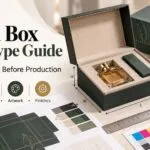




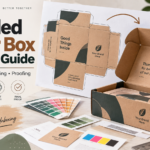

Ordering custom rigid boxes is a major packaging decision, especially when presentation, product fit, and finishing matter. A design may look perfect on a digital mockup, but the physical box can reveal issues that are difficult to notice on a screen. A rigid box prototype or sample gives you an opportunity to evaluate the structure, dimensions, insert fit, artwork, and overall presentation before approving a larger production run. Instead of checking only whether the box looks attractive, brands should test how it actually works with the product. This guide explains what to inspect in a rigid box sample before final approval.
What Is a Rigid Box Prototype?
A rigid box prototype is a physical sample created to help evaluate a packaging design before larger-scale production.
Depending on the project and supplier, the sample may be used to review the box structure, dimensions, materials, insert layout, opening experience, artwork placement, or finishing details.
A prototype is different from relying only on a digital mockup. Digital files are useful for reviewing design concepts, but they cannot fully show how a physical box feels, opens, closes, or holds the actual product.
For that reason, the sample should be treated as a functional test rather than simply a visual preview.
Why Should You Check a Sample Before Mass Production?
Small packaging problems can become much more expensive and difficult to correct after a full order has been produced.
For example, a product may fit too tightly inside the insert. A logo may sit too close to an edge. A magnetic closure may not align as expected. A box may also look larger or smaller in person than it appeared on screen.
Checking a sample gives your team an opportunity to identify these issues before final approval.
The goal is not necessarily to make endless changes. It is to confirm that the packaging meets the agreed requirements and performs appropriately for its intended use.
1. Check the Internal Box Dimensions
Start by checking the rigid box dimensions of the physical sample.
Do not focus only on the outside of the box. Internal dimensions are particularly important because they determine how much usable space is available for the product and any inserts or protective materials.
Place the actual product inside the sample whenever possible.
Ask:
Does it fit comfortably? Is there excessive empty space? Does any part of the product press against the lid or sides? Can the product be removed without difficulty?
A good fit should provide the intended presentation and protection without making the product difficult to insert or remove.
Remember that packaging dimensions can also be affected by the structure and internal components, so evaluate the assembled sample rather than relying only on measurements from a design file.
2. Test the Insert With the Actual Product
If your packaging includes custom rigid box inserts, test them carefully with the actual product.
An insert may look correct in a drawing but behave differently once the real product is placed inside it.
Check whether the product remains in its intended position. It should not move excessively during normal handling, but the fit should not be so tight that customers struggle to remove it.
For sets containing several products, check each cavity individually.
A perfume bottle, cosmetic jar, accessory, or electronic device may have different dimensions and weight distribution even when the overall gift set appears balanced.
Also test finger notches, pull tabs, ribbons, or other removal features if they are part of the design.
3. Review the Box Structure and Opening Experience
Next, open and close the box several times.
The opening experience matters because premium rigid packaging is not only viewed—it is handled.
Check whether the lid aligns correctly and whether the structure feels stable during normal use.
For two-piece boxes, examine how the lid fits over the base. For magnetic styles, check the closure and alignment. For book-style structures, look at the hinge area and how naturally the lid opens.
Do not judge the structure by appearance alone.
Think about what the customer will actually do from the moment they receive the package until they remove the product.
If you’re comparing different packaging structures, explore our custom rigid boxes to review two-piece, magnetic closure, drawer-style, and collapsible options with custom sizes, printing, and inserts.
4. Compare Colors With Your Approved Artwork
Color deserves careful attention during sample review.
Colors displayed on a monitor can appear different when printed on physical packaging. Different luxury packaging materials, printing methods, coatings, and finishes can influence the final appearance.
Compare the sample with your approved artwork and brand references.
Pay particular attention to important brand colors rather than judging only the overall design.
If exact color consistency is important to your brand, discuss color expectations and available color-matching options with the packaging supplier before approving production.
Do not assume that a digital screen is an exact representation of the final printed result.
5. Inspect Logo and Artwork Placement
A clear rigid box design should account for how artwork appears across panels, edges, folds, and other structural areas.
Check the logo position, text alignment, images, patterns, and other design elements.
Pay extra attention to artwork close to edges, folds, corners, seams, or closure areas. A design element that looks correctly positioned on a flat artwork file may appear different after the box is assembled.
Also check the orientation.
When the customer opens the package, the logo and internal messaging should appear in the intended direction.
Read all printed text again as well. A physical sample provides another opportunity to catch spelling errors, incorrect product information, or misplaced design elements before production.
6. Examine Finishes and Decorative Details
Luxury rigid boxes often use luxury packaging finishes to create a more distinctive presentation.
Depending on the design, these may include foil stamping, embossing, debossing, spot effects, lamination, textured papers, or other decorative treatments.
Inspect these elements closely.
Check whether the finish appears in the intended location and whether small details remain clear. Look at edges and detailed areas rather than evaluating the sample only from a distance.
The purpose of a premium finish is to support the design, not make important information difficult to read.
If the sample differs from the approved specification, raise the issue before giving final approval.
7. Test the Box Under Realistic Handling Conditions
A rigid box should be evaluated as packaging, not simply as a display piece.
Place the real product inside and handle the package as a customer or fulfillment team would.
Pick it up. Open it. Close it. Move it carefully from one surface to another. If appropriate for the intended use, test how the product behaves when the package is gently repositioned.
This can reveal issues that are easy to miss during a visual inspection.
For example, an insert may allow a product to shift, a lid may fit differently when the box is loaded, or a decorative component may interfere with normal handling.
Testing should reflect the actual intended use of the packaging.
For packaging that will enter distribution, more formal package performance testing may also be appropriate depending on the product and shipping environment.
Rigid Box Sample Approval Checklist
Use this table when reviewing your prototype before approving production.
| What to Check | Why It Matters | What to Look For |
| Internal dimensions | Determines product fit | Correct clearance without excessive space |
| Insert fit | Holds and presents the product | Secure fit and easy removal |
| Box structure | Affects functionality | Proper alignment and stable construction |
| Opening/closing | Influences user experience | Smooth, consistent operation |
| Printed colors | Supports brand consistency | Appropriate appearance against approved references |
| Logo placement | Affects presentation | Correct position and orientation |
| Text and artwork | Prevents production errors | Accurate content and clear placement |
| Finishing details | Influences premium appearance | Correct location and clean execution |
| Loaded-box handling | Tests real-world use | Product remains properly positioned |
Do not approve the sample simply because most elements look correct. Record any changes clearly so both your team and packaging supplier understand what needs to be adjusted.
Check the Sample From the Customer’s Perspective
Technical checks are important, but the customer experience should also be considered.
Imagine receiving the finished package for the first time.
Is it immediately clear how to open it? Does the product appear properly presented when the lid is lifted? Can the customer remove the product without struggling? Does the packaging feel appropriate for the product and brand positioning?
This type of review is especially important for luxury products, gift sets, cosmetics, jewelry, electronics, and other products where packaging is part of the presentation.
A beautiful exterior cannot fully compensate for a frustrating opening or product-removal experience.
What Should You Send Your Packaging Supplier Before Sampling?
Clear information at the beginning can make the sampling process more useful.
Provide accurate product dimensions and, where relevant, the product’s weight. If the box will hold multiple products, explain the desired arrangement.
You should also provide final or near-final artwork, branding requirements, preferred box structure, insert requirements, and finishing specifications.
If physical product samples are needed to create or verify the packaging fit, discuss this with the supplier.
Avoid changing major specifications repeatedly after the sampling process begins. Finalizing the main requirements early can make prototype evaluation more focused.
What The Boxology.US Considers During Custom Rigid Box Planning
At The Boxology.US, custom rigid packaging can be developed around the product rather than forcing every item into the same box format. For jewelry, perfumes, cosmetics, and premium gift sets, our custom luxury rigid boxes offer options for product-specific dimensions, box structures, inserts, printing, and decorative finishes.
Important decisions can include the box dimensions, structure, material selection, insert configuration, artwork, printing, and finishing requirements.
For example, a jewelry set may require a very different internal layout from a cosmetics kit or electronic product. The exterior presentation may also need to coordinate with how the product is positioned inside.
A sample provides an opportunity to bring these decisions together and evaluate the package as a complete system.
The most useful feedback is specific. Instead of saying that a sample “doesn’t look right,” identify whether the concern involves fit, dimensions, color, artwork position, structure, insert performance, or another element.
Common Mistakes When Approving a Rigid Box Sample
One mistake is reviewing the sample without the actual product inside.
Another is focusing heavily on colors and graphics while ignoring dimensions, inserts, closures, and usability.
Brands should also avoid approving a sample without checking all printed text. Small artwork errors become much more significant when repeated across a full production quantity.
Another problem is making verbal changes without documenting them clearly.
When revisions are required, identify the exact element that needs adjustment and confirm the updated specification before production.
Finally, make sure the appropriate people on your team review the sample. Packaging, branding, product, and fulfillment requirements may affect different parts of the final decision.
Final Approval: What Should You Confirm?
Before approving the sample, confirm that the physical package matches the requirements you agreed on with your supplier.
Check the dimensions, product fit, insert, box structure, artwork, colors, finishing details, and opening experience.
Then review any requested revisions one final time.
Keep the approved specifications and artwork organized so there is a clear reference for the production order.
If something important remains uncertain, resolve it before mass production rather than assuming it will automatically be corrected later.
Final Thoughts
A rigid box prototype gives you a valuable opportunity to evaluate packaging before committing to a larger production run.
Do more than inspect the appearance. Put the actual product inside, test the insert, open and close the box, review every printed panel, inspect finishing details, and consider the complete customer experience.
For brands developing custom rigid boxes, careful sample review can help identify fit, structure, artwork, and presentation issues before final production.
The goal is simple: approve the packaging only when the physical sample reflects the requirements you want carried into the finished order.


