 Skip to content

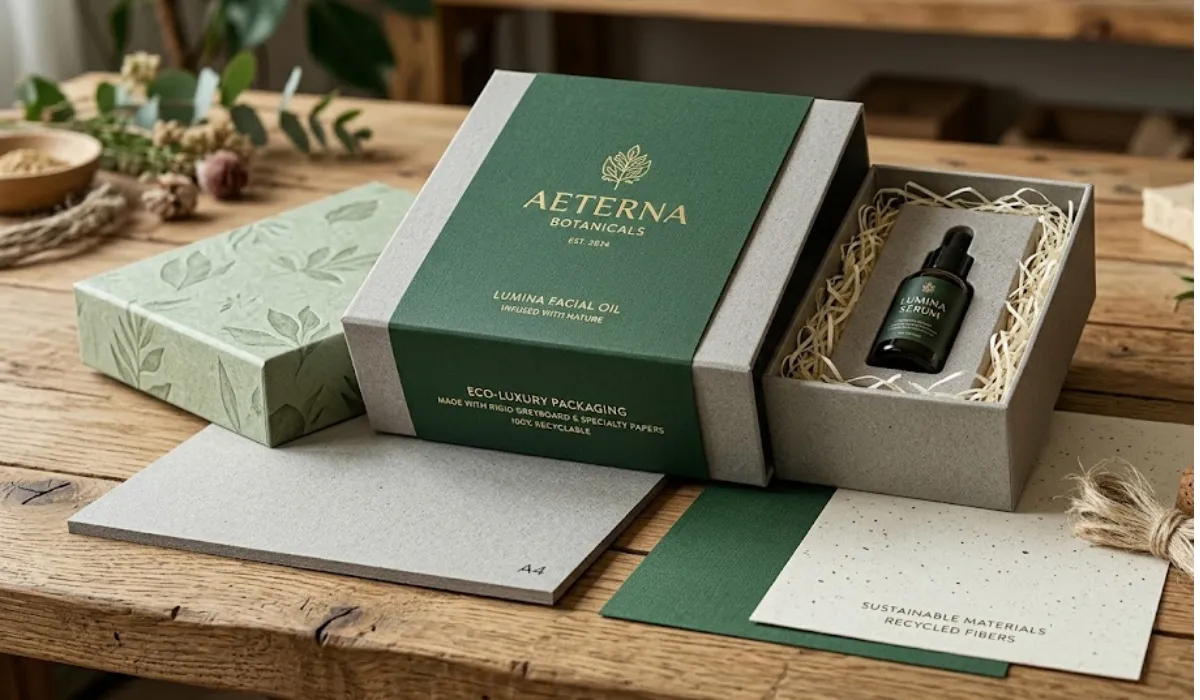



For premium brands, packaging is often the first physical interaction customers have with a product. Before they experience the fragrance, jewelry, electronics, or gift item inside, they form an opinion based on the quality, structure, and presentation of the box itself. A well-designed luxury package communicates craftsmanship, attention to detail, and brand credibility long before the product is used.
However, premium packaging is about much more than decorative finishes. It must protect valuable products during storage and transportation, support efficient manufacturing, and deliver a memorable unboxing experience without increasing operational costs unnecessarily. In my experience managing custom rigid packaging projects, brands frequently invest in premium printing while overlooking structural engineering, material selection, and production tolerances. Those overlooked decisions often determine whether packaging performs successfully throughout the supply chain or becomes an expensive liability.
Quick Answer
What is luxury packaging, and why is it important for premium brands?
Luxury packaging is high-quality product packaging designed to combine superior protection with an exceptional brand experience. It typically uses premium materials, rigid construction, specialty finishes, and custom structural designs to increase perceived product value while safeguarding products during storage and shipping. For premium brands, luxury packaging strengthens customer trust, supports premium pricing, and creates a memorable unboxing experience that encourages repeat purchases.
In This Guide
In this article, you’ll learn:
- What defines luxury packaging.
- Which materials are commonly used for premium packaging.
- Popular luxury packaging styles across different industries.
- How structural design influences customer experience.
- Wholesale considerations before ordering custom luxury packaging.
- Expert recommendations for selecting packaging that balances aesthetics with performance.
What Defines Luxury Packaging?
Luxury packaging combines premium materials, structural durability, and refined finishing techniques to create a high-end customer experience while protecting valuable products.
Luxury packaging is often misunderstood as packaging that simply looks expensive. In reality, premium packaging is engineered to deliver consistent performance throughout manufacturing, shipping, retail display, and customer use.
Whether the product is a designer fragrance, handcrafted jewelry, premium electronics, or a corporate gift, the packaging should communicate quality before the customer even opens the box.
Several elements distinguish luxury packaging from standard retail packaging:
- Premium-grade materials
- Precision structural engineering
- High-quality printing
- Custom inserts
- Premium finishing techniques
- Consistent manufacturing tolerances
- A carefully planned unboxing experience
In my experience reviewing luxury packaging programs for growing brands, the most successful projects begin with structural planning rather than graphic design. A beautiful package that cannot withstand transportation ultimately damages customer confidence more than it enhances brand value.
Choosing the Right Materials for Luxury Packaging
The best material depends on the product’s weight, presentation goals, and distribution method. Premium brands typically select materials that deliver both structural strength and a refined appearance.
Material selection influences almost every aspect of packaging performance, from durability and print quality to freight efficiency and production cost. Understanding different luxury packaging materials helps businesses choose the right balance between appearance, durability, and production cost.

Rigid Greyboard
Rigid greyboard is the foundation of many luxury packaging solutions. Its dense construction provides excellent compression strength, making it suitable for products that require premium presentation and reliable protection.
It is commonly used for:
- Luxury perfume boxes
- Jewelry packaging
- Electronics packaging
- Corporate gift boxes
- Premium subscription kits
Rigid greyboard also supports decorative finishes such as foil stamping, embossing, debossing, spot UV, and soft-touch lamination without compromising structural stability.
Specialty Paper Wraps
The outer wrap significantly influences how customers perceive a premium product. Luxury brands often select textured, linen, cotton, metallic, or soft-touch papers to create a distinctive tactile experience.
Beyond appearance, specialty papers improve perceived quality and help differentiate products in competitive retail environments. Forest Stewardship Council (FSC)
Sustainable Paper Materials
Many premium brands now balance luxury presentation with responsible sourcing by selecting recyclable or responsibly sourced paper materials.
Choosing high-quality sustainable substrates allows businesses to strengthen their environmental commitments without sacrificing aesthetics or structural performance.(EPA)
Protective Inserts
Luxury packaging is incomplete without properly engineered inserts.
Depending on the product, manufacturers commonly use:
- EVA foam
- Paperboard inserts
- Molded pulp
- Velvet-covered inserts
- Satin-lined platforms
These inserts stabilize the product during transportation while enhancing the overall presentation.
When analyzing packaging failures during nationwide shipping, the outer box is rarely the primary issue. More commonly, inadequate insert design allows products to shift inside the package, increasing the risk of scratches, chipped corners, or breakage even when the exterior box remains intact.
Popular Luxury Packaging Styles for Premium Products
The right packaging style depends on the product category, customer expectations, and distribution channel. Premium brands typically prioritize structural strength, presentation, and functionality over decorative complexity.
Selecting an attractive box style is only part of the decision. Packaging should also align with production efficiency, warehousing requirements, shipping conditions, and the overall customer experience. In high-volume manufacturing, a visually impressive box that slows assembly or increases freight costs can negatively impact profitability.

Rigid Setup Boxes
Rigid setup boxes remain the benchmark for luxury packaging across multiple industries. Manufactured from thick greyboard wrapped with premium printed or textured paper, they deliver exceptional structural integrity and a high-end presentation.
They are commonly used for:
- Luxury fragrances
- Fine jewelry
- Premium electronics
- Watches
- Corporate gifts
- Limited-edition collections
Because the box maintains its shape permanently, customers immediately associate it with quality and craftsmanship.
Magnetic Closure Boxes
Magnetic closure boxes combine elegant presentation with practical functionality. Hidden magnetic closures provide a secure opening and closing mechanism while enhancing the unboxing experience.
These boxes are frequently selected for:
- Premium skincare collections
- Luxury cosmetics
- Executive gifts
- High-end retail packaging
For brands that want packaging customers are likely to keep and reuse, magnetic closure designs are an excellent investment.
Collapsible Rigid Boxes
Collapsible rigid boxes deliver many of the visual advantages of traditional rigid packaging while significantly reducing storage space and freight costs.
From a logistics perspective, this style allows businesses to ship more units per pallet, lowering transportation expenses without compromising premium presentation.
They are particularly beneficial for:
- E-commerce brands
- Nationwide wholesale distribution
- Seasonal promotional campaigns
- Businesses with limited warehouse capacity
Drawer (Slide-Out) Boxes
Drawer-style packaging creates a premium reveal that adds anticipation to the unboxing process. The sliding tray also provides excellent product stability, making it ideal for fragile or collectible items.
Luxury brands often use drawer boxes for:
- Jewelry
- Collector editions
- Gift sets
- Premium accessories
Shoulder Neck Boxes
Shoulder neck boxes are recognized for their precision alignment and premium appearance. The elevated shoulder creates a visible reveal line when the lid is removed, adding sophistication without relying on excessive decorative elements.
These boxes are widely used for luxury products where presentation is central to the purchasing experience.
Designing Luxury Packaging That Enhances Brand Value
Effective luxury packaging combines structural engineering with thoughtful visual design to create a memorable customer experience.
Many businesses focus almost entirely on graphics, but successful luxury packaging begins with structural planning. Every design decision should improve functionality while reinforcing the product’s premium positioning.

Structural Design
Structural design determines how the package performs during production, transportation, and customer use.
Packaging engineers evaluate factors such as:
- Board caliper
- Product weight
- Closure mechanism
- Insert configuration
- Corner strength
- Stacking performance
- Compression resistance
Small structural adjustments made during the design phase often improve durability while reducing manufacturing waste.
Premium Printing & Finishing
Decorative finishes should enhance not overpower the packaging.
Common luxury finishing options include:
- Foil stamping
- Embossing
- Debossing
- Spot UV coating
- Soft-touch lamination
- Matte lamination
- Metallic inks
- Textured specialty papers
Combining multiple finishes strategically creates depth and sophistication without making the packaging appear overly complex.
Color Consistency
Luxury brands rely heavily on color consistency across production batches.
Professional manufacturers use standardized color management processes to ensure logos, graphics, and brand colors remain uniform from one production run to the next.
Consistent branding becomes increasingly important for businesses distributing products through multiple retail locations nationwide.
The Unboxing Experience
The unboxing experience has become an extension of the product itself.
A premium package should feel intentional at every stage:
- Opening resistance should feel controlled.
- Inserts should hold products securely.
- Finishes should provide a refined tactile experience.
- Components should fit together with precision.
In my experience reviewing customer feedback for luxury product launches, buyers often remember the packaging almost as vividly as the product itself. That emotional connection can significantly influence repeat purchases and word-of-mouth recommendations.
Wholesale Considerations for Luxury Packaging
Wholesale buyers should evaluate manufacturing capability, quality control, freight efficiency, and long-term operational costs not just the quoted price.
Premium packaging involves higher material costs and more complex production processes than standard retail packaging. Choosing the right manufacturing partner is therefore just as important as selecting the right box style.

Before approving production, procurement teams should evaluate:
Manufacturing Expertise
Look for suppliers with experience producing premium rigid packaging rather than general folding cartons. Specialized equipment and skilled finishing processes have a direct impact on final quality.
Lead Times
Luxury packaging often includes multiple finishing operations that require additional production time. Planning ahead helps prevent delays during product launches.
Minimum Order Quantities (MOQ)
Although smaller production runs reduce inventory requirements, larger orders generally lower the unit cost because tooling, setup, and finishing expenses are spread across more units.
Quality Assurance
Every production batch should be inspected for:
- Board thickness consistency
- Print registration
- Color accuracy
- Adhesive strength
- Corner alignment
- Surface finish quality
- Insert fit
- Overall structural integrity
Strong quality control protects both the product and the brand’s reputation.
The Boxology’s Expert Insight
One of the most common mistakes premium brands make is designing packaging around visual concepts before confirming production feasibility.
Specialty papers, foil coverage, magnetic closures, and custom inserts all affect manufacturing complexity, assembly time, and freight efficiency. Before finalizing artwork, request a structural prototype and conduct shipping tests using the actual product. Identifying structural issues early can prevent expensive production revisions and ensure the finished packaging performs as expected throughout the supply chain.
Luxury Packaging Style Comparison

| Packaging Style | Setup Complexity | Structural Strength | Cost-Effectiveness | Best For |
| Rigid Setup Boxes | Medium | Excellent | High Long-Term Value | Luxury retail products |
| Magnetic Closure Boxes | Medium | Excellent | Premium | Gift packaging & premium branding |
| Collapsible Rigid Boxes | High | Excellent | Excellent Freight Savings | E-commerce & wholesale |
| Drawer Boxes | High | Excellent | Premium | Jewelry & collector products |
| Shoulder Neck Boxes | Medium | Excellent | Premium | Luxury cosmetics, watches & fragrances |
How Premium Brands Balance Luxury, Protection, and Cost
The most successful luxury packaging programs balance visual appeal, structural performance, and operational efficiency rather than prioritizing a single factor.
A common misconception is that luxury packaging must always be expensive. In reality, premium brands focus on maximizing perceived value while maintaining practical production and logistics costs.
For example, increasing board thickness beyond what a product actually requires may raise material costs without delivering meaningful protection benefits. Similarly, excessive finishing techniques can increase production complexity while providing little additional impact to the customer experience.
Experienced packaging buyers typically evaluate:
Product Protection
Before considering decorative finishes, determine:
- Product fragility
- Weight distribution
- Shipping environment
- Retail display requirements
- Warehouse handling conditions
Luxury packaging should protect products from manufacturing facilities to the final customer.
Brand Positioning
Packaging should reflect the product’s market position.
A luxury fragrance, premium jewelry collection, or executive corporate gift all require different structural and visual approaches. The most effective packaging solutions align with customer expectations while reinforcing the brand story.
Logistics Efficiency
What procurement managers often miscalculate during sourcing is the long-term effect packaging dimensions have on logistics costs.
Factors such as:
- Pallet utilization
- Storage requirements
- Freight charges
- Assembly efficiency
- Shipping density
can significantly impact total packaging costs over time.
This is one reason many growing brands are transitioning toward collapsible rigid packaging solutions that maintain a premium appearance while reducing warehousing and transportation expenses.
Sustainability Expectations
Luxury buyers increasingly expect environmentally responsible packaging.
Many premium brands now combine:
- Recyclable paper materials
- FSC-certified paper substrates
- Reduced plastic usage
- Efficient structural design
- Reusable packaging formats
This approach supports sustainability goals without compromising the premium experience customers expect.
Final Thoughts
Luxury packaging is no longer reserved exclusively for global brands with massive marketing budgets. Today’s consumers evaluate packaging quality as part of the overall product experience, making premium presentation a competitive advantage across multiple industries.
The most effective luxury packaging solutions combine structural engineering, premium materials, refined finishing techniques, and efficient manufacturing processes. While visual appeal remains important, long-term success depends on how well the packaging performs throughout the supply chain.
In my experience working with high-volume custom packaging projects, the strongest results come from brands that approach packaging as an investment rather than a production expense. Well-designed luxury packaging improves product protection, strengthens perceived value, enhances customer satisfaction, and often contributes directly to stronger brand loyalty.
Whether you’re launching a new product line, upgrading existing packaging, or preparing for nationwide retail expansion, selecting the right materials, box style, and structural design will help ensure your packaging supports both operational goals and brand growth.
Understanding different luxury packaging materials helps businesses choose the right balance between appearance, durability, and production cost.

Elevate Your Brand with Expert Luxury Packaging Solutions
Creating luxury packaging requires more than selecting premium materials or decorative finishes. Every structural detail from board thickness and insert design to finishing techniques and logistics planning plays a role in how customers perceive your brand.
If you’re looking to develop premium packaging that combines protection, presentation, and operational efficiency, The Boxology team can help. Our specialists work with businesses across the United States to design custom rigid packaging solutions tailored to product requirements, branding objectives, and distribution needs.
Contact The Boxology today for a free structural consultation, packaging review, or prototype assessment and discover how professionally engineered luxury packaging can strengthen your brand and customer experience.


