Skip to content

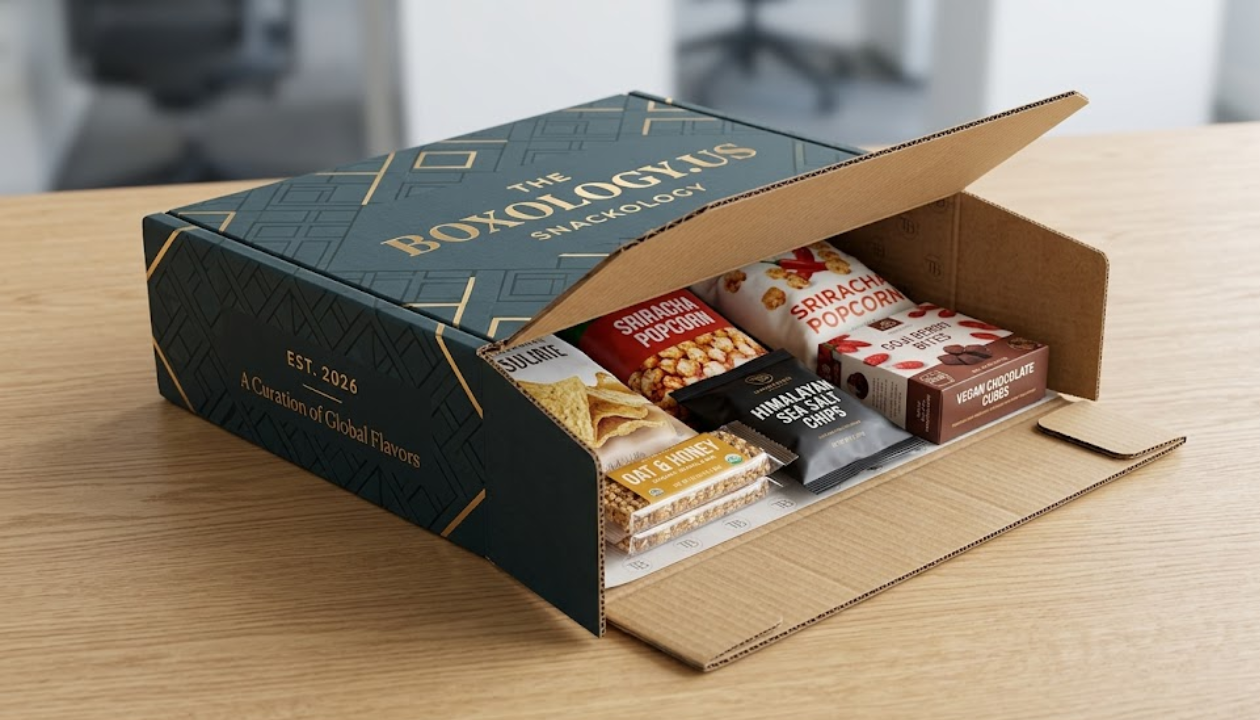





Designing custom snack box packaging that survives the automated fulfillment floor and the final mile requires balancing structural integrity with cost efficiency. In my experience managing high-volume custom production runs for nationwide brands, procurement managers often miscalculate the structural demands of mixed-weight contents. A subscription or retail snack box rarely holds uniform items; a single shipment might combine heavy glass jars of artisanal spreads with lightweight, air-filled chip bags.
When analyzing structural degradation during cross-country freight, the main culprit is usually a failure to account for shifting internal mass and dynamic compression forces. If the packaging flexes under load, internal products shift, seal joints fail, and food items arrive crushed.
For B2B procurement managers, e-commerce brand owners, and subscription box founders, your packaging is a protective shield and a key touchpoint for your brand. Balancing structural performance with cost efficiency means choosing materials based on exact physical metrics rather than guesswork.
Technical Materials & Structural Engineering: Flutes, Calipers, and GSM
Selecting the right material requires understanding the physical stresses your box will encounter. For custom snack packaging, the choice generally comes down to rigid folding cartons for primary retail shelves or corrugated fiberboard for direct-to-consumer (DTC) shipping.
+————————————————————–+
| OUTER LINER |
+————————————————————–+
| \/\/\/\/\/\/\/\/\/\/\/\ FLUTING /\/\/\/\/\/\/\/\/\/\/\/\/\/\ |
+————————————————————–+
| INNER LINER |
+————————————————————–+
Corrugated Flute Selection & Board Weight

For shipping and subscription applications, single-wall corrugated board is the industry standard. However, selecting the wrong flute profile can lead to structural failure or inflated freight bills.
- E-Flute (approx. 1/16″ thickness): This is the choice for high-graphic subscription boxes. E-flute provides excellent crush resistance and offers more flutes per linear foot than thicker options. This dense structure creates a flat surface for high-resolution flexographic or digital printing, preventing the “washboarding” effect where lines show through the linerboard.
- B-Flute (approx. 1/8″ thickness): If your product mix exceeds 5–6 pounds or includes heavy primary containers like glass jars or metal tins, B-flute is required. It delivers higher stacking strength and better puncture resistance, though it requires larger storage space and increases shipping volume.
The board weight configuration is just as important. A standard 32 ECT (Edge Crush Test) crafted from a 200-lb test linerboard is the baseline for payloads under 10 pounds. If you are shipping premium, heavy artisanal snacks, upgrading to a 44 ECT provides the vertical compression strength needed to survive high-stacking in FedEx or UPS sorting hubs.
Folding Carton Caliper and Paperboard Grade
For individual retail snack boxes placed directly on store shelves, corrugated board is often too bulky. Instead, we utilize Solid Bleached Sulfate (SBS) or Coated Recycled Board (CRB).
- SBS (Solid Bleached Sulfate): This premium paperboard grade is made from chemically digested virgin wood pulp. It features a clay-coated surface that ensures sharp color reproduction and handles finishing techniques like spot UV, embossing, and foil stamping without tearing.
- Caliper Metrics: For retail snack applications, we specify thicknesses between 16pt and 24pt (0.016″ to 0.024″). A 16pt board works well for lightweight items like tea sachets or freeze-dried fruit packs. For dense items like protein bars or granola mixes, a 24pt caliper is necessary to prevent the sides from bulging under the weight.
The Operational Advantages of Domestic US Wholesale Sourcing
When sourcing packaging at scale, looking only at the per-unit cost on an overseas invoice can hide significant supply chain liabilities. Sourcing your custom snack packaging from a domestic US manufacturer like The Boxology offers clear operational advantages.
OVERSEAS SUPPLY CHAIN (High Volatility)
[Production] ——– 6-8 Weeks Sea Freight ——–> [US Port Delay] —> [Warehouse]
Total Lead Time: 12-16 Weeks | Risk: High
DOMESTIC SUPPLY CHAIN (Optimized)
[Production] — 3-5 Days Freight –> [Warehouse]
Total Lead Time: 2-3 Weeks | Risk: Low
1. Lead Times and Supply Chain Responsiveness

Overseas production often carries a 12-to-16-week lead time when factoring in ocean freight, customs clearance, and port delays. If a subscription box brand experiences a sudden surge in subscribers, waiting three months for packaging can stall growth.
Domestic manufacturing slashes production and delivery timelines down to 14 to 21 business days from approved die-lines. This speed lets brands run a lean, just-in-time (JIT) inventory strategy, freeing up capital that would otherwise be tied up in months of safety stock.
2. Freight Optimization and Total Cost of Ownership (TCO)
Empty boxes are mostly air, meaning overseas shipping charges you for volume rather than weight. Volumetric ocean freight charges can easily erase any apparent savings on per-unit production costs. Sourcing domestically allows for optimized LTL (Less-Than-Truckload) freight shipping, which keeps freight costs stable and predictable.
3. Strict Quality Control and Lower MOQ Barriers
Domestic production runs under standardized tolerances, which helps eliminate issues like out-of-spec gluing, delamination, or incorrect scores that jam automated kitting lines. Furthermore, domestic Minimum Order Quantities (MOQs) are far more manageable.
Instead of committing to 20,000 units per SKU overseas, brands can launch with domestic runs of 1,000 to 2,500 units. This lower entry point allows for seasonal artwork updates, regional promotional packaging, and iterative design improvements without risking costly obsolete inventory.
The Boxology’s Expert Insight: Optimizing the Die-Line for Shipping and Packing Efficiency

Pro-Level Manufacturing Tip:
When engineering custom mailers for high-volume snack subscriptions, the flap design heavily impacts your total cost of ownership. Many designers default to a standard roll-end tuck top (RETT) with dust flaps. While secure, if those dust flaps extend too far, they waste material on the master manufacturing sheet (the corrugator width matrix).
By shortening dust flaps by just 1/4″ and angling the friction locks at exactly 45 degrees, you can often fit an extra row of flat blanks onto a standard production sheet. This minor design shift reduces setup waste, lowers your per-unit tooling cost, and can trim 4% to 7% off your total material costs before printing even begins.
Additionally, ensure your internal dimensions match standard transit pallets. Designing a box that is just 1/8″ too wide can disrupt your nesting efficiency, reducing the total number of boxes per pallet and increasing your domestic LTL shipping costs.
Technical Specification & Performance Analysis
This comparison matrix balances structural performance against operational costs for the three primary styles used in custom snack box packaging.
| Packaging Style | Material Configuration | Setup Complexity | Structural Strength | Cost-Effectiveness (High Volume) | Best Application |
| Roll-End Tuck Top (RETT) Mailer | 32 ECT E-Flute Corrugated | Medium (Requires manual or semi-auto folding) | High (Side walls double up when assembled) | Excellent (No tape required for closure) | Subscription boxes, multi-item curation, premium direct-to-consumer delivery. |
| Auto-Bottom Box with Tuck Top | 18pt – 22pt SBS Paperboard | Low (Snaps flat automatically on the line) | Medium (Optimized for vertical shelf load) | High (Saves significant fulfillment labor) | Retail counter displays, individual product lines, energy bar multi-packs. |
| Regular Slotted Carton (RSC) | 32 or 44 ECT B-Flute Corrugated | Low (Standard square setup) | Very High (Top-tier stacking strength) | Maximum (Lowest manufacturing cost per sq. ft.) | Bulk snack distribution, office pantry wholesale packs, heavy master shipping. |
Key Technical Checklist for Procurement Managers
Before approving your next custom packaging run, review these critical production checkpoints with your engineering team:
- Verify Cofficient of Friction (COF): Ensure your outer varnish or soft-touch coating has a proper COF rating. If the boxes are too slick, they will slide off pallets during transit; if they are too tacky, they can jam automated pick-and-place lines.
- Account for Humidity and Caliper Degradation: High humidity in warehouses can reduce corrugated compression strength by up to 30-40%. If you ship through hot, humid zones, consider upgrading your linerboard weight or specifying a moisture-resistant barrier.
- Review Die-Line Tolerances: Ensure your text and critical graphics sit at least 1/8″ away from all score lines and cut edges to allow for standard manufacturing drift during high-speed die-cutting.
Partner with The Boxology for Reliable Wholesale Packaging

Navigating die-lines, structural engineering, and freight logistics requires more than just a standard packaging vendor. You need an experienced domestic manufacturing partner who understands how to optimize your supply chain. At The Boxology, we engineer custom snack packaging designed to protect your product, streamline fulfillment, and reduce total land costs.
Let our engineering team optimize your packaging. Contact The Boxology today to request a structural sample review, receive a precision layout test for your product dimensions, or schedule an expert consultation. Let’s design packaging that performs perfectly from the production floor to your customer’s doorstep.