Skip to content





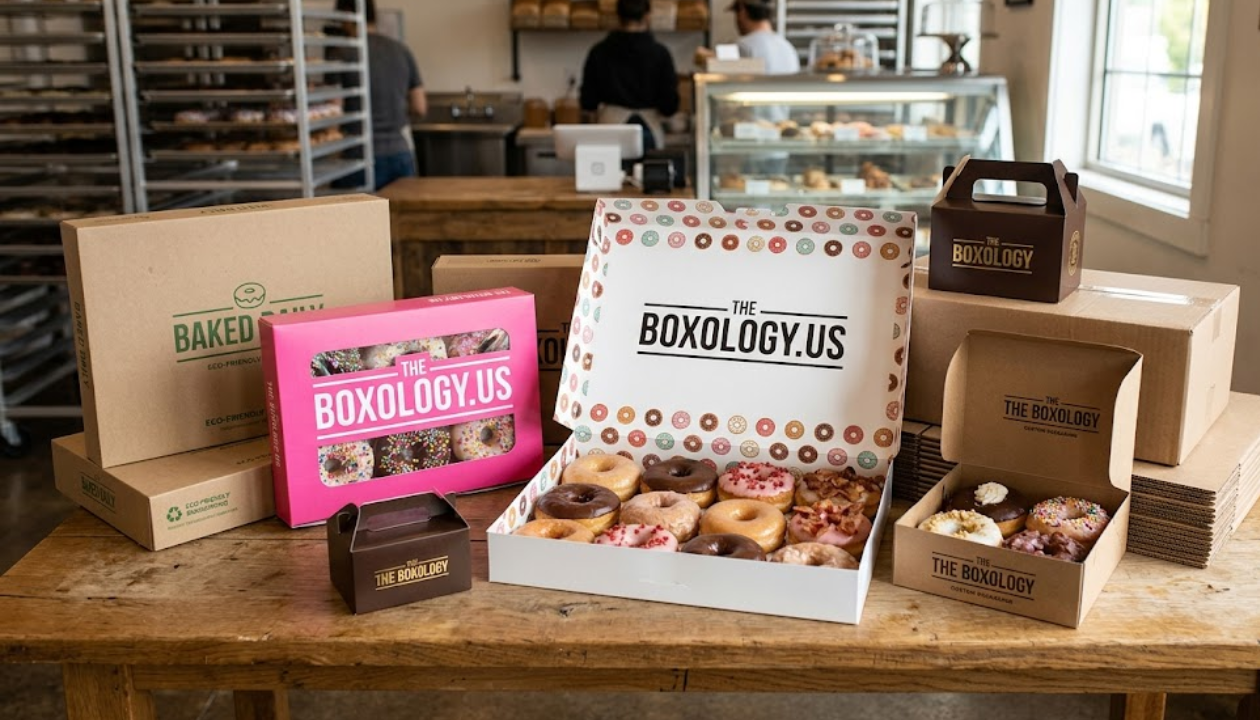
Walk into any successful bakery and you’ll notice something beyond the aroma of fresh bread and pastries the packaging reflects the quality of what’s inside. While colors, graphics, and finishes help attract customers, the material used to manufacture a bakery box has a far greater influence on product protection, food safety, transportation, and overall customer experience.
Many bakery owners choose packaging based solely on appearance or price, only to discover problems later. Boxes may absorb grease, lose their shape during delivery, or fail to protect delicate baked goods. Selecting the right packaging material from the beginning helps reduce waste, improve presentation, and create a better experience for customers.

From natural kraft paperboard to premium SBS and durable corrugated board, every material offers unique advantages depending on the products being packaged. Understanding these differences allows bakeries to make smarter purchasing decisions while balancing cost, branding, and functionality.
In this guide, we’ll compare the most commonly used bakery packaging materials, explain where each one performs best, and help you determine which option is right for your business.
Quick Answer
What is the best material for bakery packaging?
The best bakery packaging material depends on the product being packaged. Kraft paperboard is ideal for eco-friendly branding, SBS (Solid Bleached Sulfate) provides premium print quality for retail presentation, corrugated board offers superior protection for shipping, and certified food-grade paperboard ensures direct food contact safety. Many bakeries combine multiple materials to meet different packaging requirements.
What You’ll Learn
In this guide you’ll learn:
- The most common bakery packaging materials
- Advantages and disadvantages of each board type
- Which material suits different bakery products
- Food safety considerations
- Sustainable packaging options
- How material selection affects branding and shipping
- Tips for choosing the right bakery packaging
Why Packaging Material Matters in the Bakery Industry
Customers often judge baked products before taking the first bite. Packaging influences freshness, perceived quality, hygiene, and even purchasing decisions. However, appearance is only one part of the equation.
The material used to manufacture bakery packaging determines how well it protects products against moisture, grease, compression, and transportation damage. It also affects printing quality, structural strength, recyclability, and production costs.
Selecting the right material is only one part of the process the final performance also depends on how professionally your custom bakery boxes are engineered and manufactured.
Choosing the correct board isn’t simply a design decision it’s an operational decision that impacts customer satisfaction and product performance.
If you’re building a complete packaging strategy, our professional bakery packaging guide explains how structure, branding, and materials work together.
Factors to Consider Before Choosing Bakery Packaging Materials
Before selecting a packaging material, evaluate how your products will be stored, displayed, and transported.
Key considerations include:
- Product weight
- Grease resistance
- Moisture protection
- Printing requirements
- Shipping distance
- Food-contact compliance
- Sustainability goals
- Budget
- Shelf presentation
The best packaging material balances functionality with branding while protecting product quality throughout the supply chain.
Kraft Paperboard
Kraft paperboard has become one of the most popular materials for modern bakeries because of its natural appearance and environmental benefits.
Manufactured using unbleached wood pulp, kraft offers a rustic aesthetic that complements artisan bakeries, organic brands, and handmade baked goods.
Best suited for:
- Cookies
- Bread
- Muffins
- Brownies
- Pastries
- Eco-friendly bakery brands
Advantages
- Recyclable
- Renewable material
- Natural appearance
- Strong tear resistance
- Cost-effective
Limitations
- Dark surface limits vibrant printing
- White graphics require additional ink coverage
- Less premium appearance than SBS board
SBS (Solid Bleached Sulfate) Paperboard
When presentation is the highest priority, Solid Bleached Sulfate (SBS) is one of the best materials available for bakery packaging. Its bright white surface creates an excellent foundation for high-resolution printing, making colors appear sharper and more vibrant than on natural kraft paper.
Premium bakeries, dessert brands, and luxury confectionery businesses frequently choose SBS paperboard because it enhances product presentation while maintaining a clean, professional appearance.

Best suited for:
- Premium cakes
- Macarons
- Cupcakes
- Chocolates
- Luxury pastries
- Gift bakery boxes
Advantages
- Excellent print quality
- Smooth white surface
- Premium retail appearance
- Ideal for foil stamping and embossing
- Food-contact safe when properly certified
Premium custom printed bakery boxes maximize the visual impact of SBS paperboard by delivering crisp graphics, vibrant colors, and luxury finishes.
Limitations
- Higher production cost than kraft
- Less eco-friendly appearance
- May require protective coatings for greasy products
Learn how premium printing techniques strengthen brand recognition in our guide to custom printed bakery boxes for branding.
Corrugated Board
Unlike folding carton materials, corrugated board is engineered for strength. It consists of a fluted middle layer sandwiched between two linerboards, creating superior compression resistance and shock absorption.
For bakeries offering nationwide shipping, wholesale deliveries, or subscription boxes, corrugated packaging provides significantly better protection during transportation.
Choosing the correct board grade and box dimensions can also reduce freight expenses, as explained in our article on how custom bakery boxes save shipping costs.

Best suited for:
- Cake shipping
- Bulk pastry orders
- Cookie deliveries
- Ecommerce bakery packaging
- Frozen baked goods
- Wholesale distribution
Advantages
- High stacking strength
- Excellent shipping protection
- Lightweight yet durable
- Available in multiple flute profiles
- Recyclable
Limitations
- Higher material thickness
- Less refined retail appearance
- Printing quality depends on liner type
Expert Insight
Many successful bakery brands use SBS cartons for retail shelves and corrugated boxes as secondary shipping packaging. This combination delivers both premium presentation and reliable product protection.
High-quality corrugated boxes provide excellent structural strength for bakery deliveries, subscription boxes, and wholesale shipments.
Food-Grade Paperboard
Food-grade certification is just as important as appearance. Packaging intended for direct or indirect food contact must comply with applicable food safety standards and use materials suitable for bakery products.
Food-grade paperboard is manufactured using approved materials that help minimize contamination risks while maintaining product freshness.
Best suited for:
- Fresh pastries
- Bread
- Cookies
- Donuts
- Cakes
- Ready-to-eat bakery products
Advantages
- Safe for food contact
- Hygienic
- Compatible with food-safe inks and coatings
- Suitable for grease-resistant treatments
Limitations
- Certification requirements may increase production costs
- Material selection varies depending on local food regulations
Businesses should always verify that their packaging complies with applicable FDA food contact packaging requirements before selecting materials for direct food contact.
Grease-Resistant Bakery Board
Some bakery products naturally release oils and butter that can stain ordinary paperboard. Grease-resistant bakery board includes specialized coatings or barrier treatments that help prevent oil migration while preserving the appearance of the packaging.
Common applications
- Donuts
- Croissants
- Danish pastries
- Butter cookies
- Fried desserts
- Cream-filled bakery products
Using grease-resistant materials keeps packaging cleaner and improves the overall customer experience.
Recycled Paperboard
Many bakeries now incorporate recycled paperboard into their packaging strategy as sustainability becomes increasingly important.
Modern recycled paperboard offers impressive structural performance while reducing demand for virgin fiber.

Benefits include:
- Lower environmental impact
- Supports sustainability goals
- Widely recyclable
- Positive brand perception
- Suitable for many dry bakery products
However, recycled materials should still meet food-contact requirements whenever direct contact with baked goods is expected.
Material Comparison Table
| Material | Print Quality | Shipping Strength | Sustainability | Premium Appearance | Best Use |
| Kraft Paperboard | Good | Moderate | Excellent | Natural | Bread, Cookies, Artisan Bakery |
| SBS Paperboard | Excellent | Moderate | Good | Excellent | Cakes, Cupcakes, Luxury Desserts |
| Corrugated Board | Good | Excellent | Excellent | Moderate | Shipping & Delivery |
| Food-Grade Board | Very Good | Depends on Grade | Good | Excellent | Direct Food Contact |
| Recycled Paperboard | Good | Moderate | Excellent | Natural | Eco-Friendly Packaging |

Which Material Is Best for Different Bakery Products?
Every bakery product has unique packaging requirements. Choosing materials based on the product itself produces better results than using a single box style for every item.
| Bakery Product | Recommended Material |
| Bread | Kraft Paperboard |
| Cookies | Kraft or SBS |
| Cupcakes | SBS |
| Cakes | SBS + Corrugated Shipping Box |
| Donuts | Food-Grade Grease-Resistant Board |
| Macarons | SBS |
| Pastries | SBS or Food-Grade Board |
| Wholesale Bakery Orders | Corrugated Board |
Rather than asking which material is “best,” consider which material best supports your product’s presentation, protection, and delivery requirements.
How Material Selection Affects Branding
Customers often associate packaging quality with product quality. A sturdy, well-printed bakery box creates confidence before the product is even opened.
Material choice influences several branding factors, including:
- Print clarity
- Color accuracy
- Texture
- Premium perception
- Sustainability messaging
- Unboxing experience
- Customer retention
Selecting the right material helps communicate your bakery’s positioning, whether you focus on artisan craftsmanship, luxury desserts, or environmentally responsible packaging.
Material selection becomes even more effective when paired with thoughtful design, as discussed in our guide to bakery box design and sales impact.
Common Mistakes When Choosing Bakery Packaging Materials
Selecting the right packaging material involves more than comparing prices. A material that works well for cookies may not perform the same way for cakes or pastries. Understanding common selection mistakes helps bakeries avoid unnecessary costs, damaged products, and poor customer experiences.
Prioritizing Cost Over Product Protection
Choosing the least expensive board often leads to crushed boxes, grease stains, or damaged baked goods during transportation. Packaging should protect the product first and reduce replacement costs over time.
Using One Material for Every Bakery Product
Every bakery item has different packaging requirements. Bread, cupcakes, cookies, and celebration cakes each require different levels of strength, moisture resistance, and presentation.
Using product-specific materials improves both functionality and customer satisfaction.
Ignoring Food Safety Requirements
Packaging that comes into direct contact with baked goods should always be manufactured using certified food-safe materials and approved printing processes.
Using unsuitable materials may compromise product quality and customer confidence.
Choosing the Wrong Board Thickness
A lightweight folding carton may perform perfectly on a retail shelf but fail during nationwide shipping. Likewise, heavy corrugated packaging may be unnecessary for lightweight bakery items sold in-store.
Matching board thickness to the intended application reduces both shipping costs and material waste.
Forgetting Brand Presentation
Packaging is often the first physical interaction customers have with a bakery. Poor print quality or unsuitable material can reduce the perceived value of premium baked products, regardless of their actual quality.

Expert Tips for Selecting Bakery Packaging Materials
Experienced packaging manufacturers evaluate several factors before recommending a specific board grade. Instead of selecting materials based only on appearance, consider the complete packaging journey from production to customer delivery.
Some practical recommendations include:
- Match packaging strength to product weight.
- Use food-grade materials for direct food contact.
- Select SBS for premium retail presentation.
- Choose corrugated board for shipping and wholesale orders.
- Consider grease-resistant coatings for buttery products.
- Evaluate sustainability alongside performance.
- Test packaging with real products before placing large production orders.
Making informed material choices improves product protection, enhances branding, and helps reduce long-term packaging costs.

Final Thoughts
No single packaging material is perfect for every bakery product. The best choice depends on how your products are displayed, transported, stored, and experienced by customers.
Kraft paperboard offers an eco-friendly appearance, SBS delivers outstanding print quality, corrugated board provides superior shipping protection, and certified food-grade materials ensure product safety. Understanding the strengths of each option allows bakeries to build packaging solutions that support both operational efficiency and brand growth.
Investing in reliable food packaging helps bakeries protect freshness while reinforcing a consistent and professional brand image.
As your bakery expands, investing in the right packaging materials becomes more than a purchasing decision it becomes part of the customer experience.
Choose the Right Bakery Packaging Materials for Your Brand
The material behind your packaging has a direct impact on product protection, food safety, shelf appeal, and customer perception. At The Boxology.US, we manufacture custom bakery packaging using premium kraft paperboard, SBS, corrugated board, and food-grade materials tailored to your products and branding goals.
Whether you’re packaging artisan bread, gourmet cookies, cupcakes, pastries, or luxury desserts, our team can help you select the right material, board grade, and finishing options for long-lasting performance and an exceptional customer experience.
Request a free quote today and let our packaging specialists help you create bakery boxes that combine durability, presentation, and food safety.