Skip to content



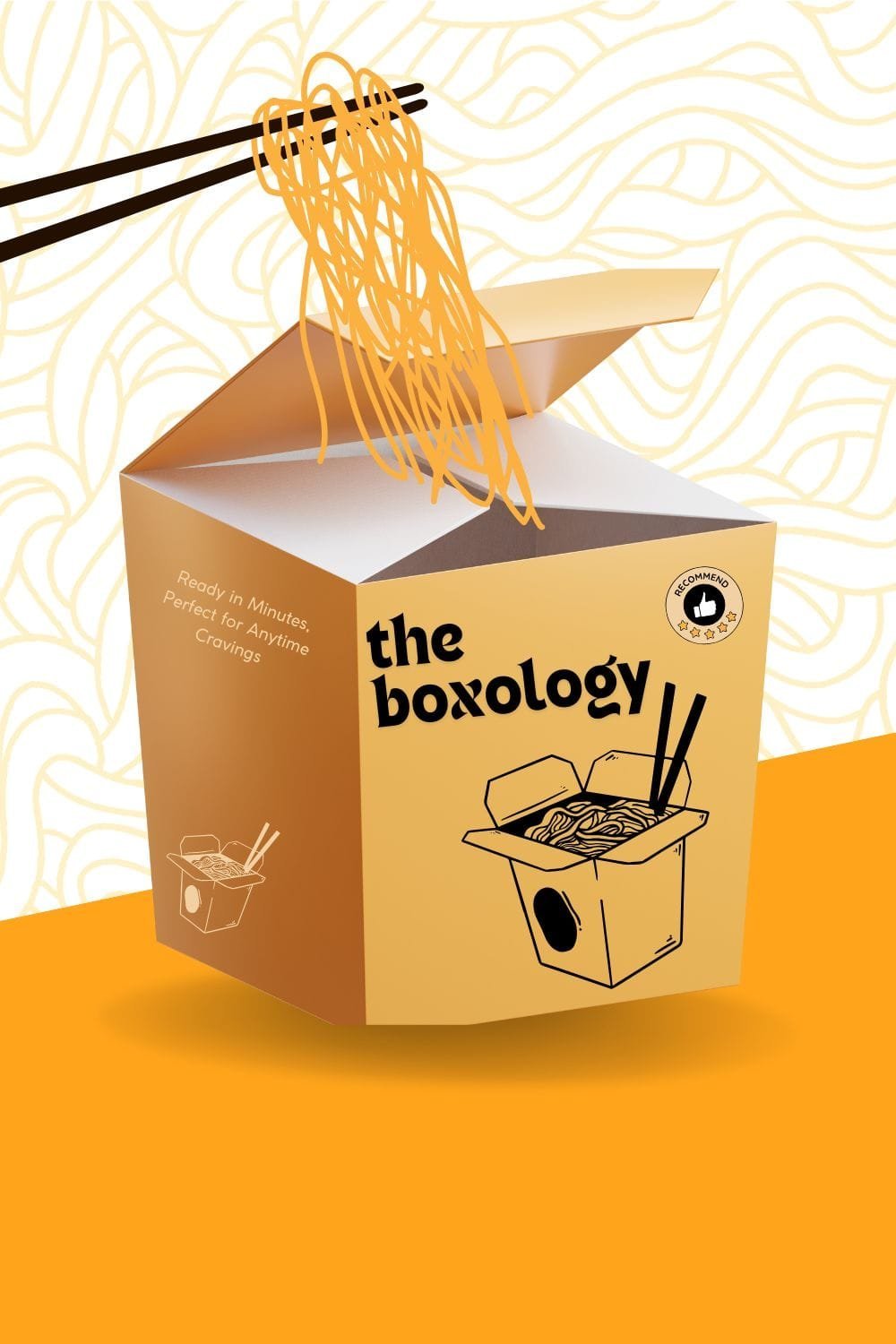
Food packaging does more than hold a product. It helps protect food, makes handling easier, and influences how customers experience your brand. However, choosing the wrong packaging can lead to leaks, crushed products, wasted materials, and unhappy customers. A box that works for dry snacks may not be suitable for hot, greasy meals. Similarly, attractive packaging may fail if it cannot handle delivery or everyday use. Understanding common food packaging mistakes can help restaurants, bakeries, and food brands make better decisions before ordering. This guide explains seven packaging problems, how to avoid them, and what to check before placing a bulk order.
1. Choosing the Wrong Food Packaging Material
One of the most common food packaging mistakes is selecting a material based only on its appearance or price.
Different foods have different packaging requirements. Choosing the right food packaging materials depends on the product’s temperature, moisture, grease content, and intended use. Dry snacks, hot meals, greasy burgers, and bakery products do not necessarily need the same materials.
For example, an ordinary paperboard box may work well as secondary packaging for individually wrapped cookies. However, food placed directly inside a carton may require a suitable food-contact surface.
How to avoid this mistake:
Consider the type of food, its temperature, moisture, grease content, and intended storage conditions.
Ask your supplier whether the complete packaging structure, including any coatings or liners, is suitable for your intended application.
The FDA regulates substances used in food-contact materials according to their authorized uses and conditions. A material suitable for one application is not automatically suitable for every food product.
2. Using the Wrong Packaging Size
Oversized packaging wastes material and may allow products to move during handling. Undersized packaging can crush delicate foods or make boxes difficult to close.
For example, placing a small pastry inside a large bakery box without proper support may allow it to slide during transportation.
Similarly, an overfilled burger box can damage the food when the lid closes.
How to avoid this mistake:
Measure your actual product before selecting the packaging dimensions.
Consider the food’s shape, portion size, height, and any additional items that need to fit inside.
For products that vary in size, such as handmade bakery items, allow enough room for normal variation without creating excessive empty space.
When ordering custom food boxes, provide your supplier with accurate dimensions instead of relying entirely on standard sizes.If you sell packaged snacks, our guide to snack packaging sizes explains how materials, dimensions, and design affect packaging selection.
3. Ignoring Grease and Moisture Protection
Grease and moisture can affect both packaging performance and the customer’s experience.
An unsuitable box may develop grease stains, become soft, or allow liquids to leak. This can make the food difficult to carry and leave customers with messy packaging.
Burgers, fried foods, pastries, and other products containing oils or moisture may need different levels of protection.
How to avoid this mistake:
Identify how much grease or moisture your product releases during normal use.
Ask about suitable food-contact liners, coatings, or other protective options.
For example, a takeaway box used for a greasy meal may need a different internal surface from a carton used for individually wrapped dry snacks.
Remember that a grease-resistant material is not necessarily leakproof. Test the finished packaging with your actual food before placing a large order.
4. Overlooking Ventilation for Hot Food
Hot food can release steam after it is packed.
If that steam becomes trapped, condensation may collect inside the container and affect the food’s texture.
This is particularly important for fried foods, pizza, and other products where customers expect a crisp texture.
However, adding ventilation without considering the product can also create problems.
How to avoid this mistake:
Choose packaging according to the food’s temperature, moisture, and expected delivery time.
For foods that release considerable steam, consider a structure with appropriate ventilation.
Test the packaging under realistic conditions, including the time between packing and delivery.
The goal is to manage moisture while maintaining the temperature, protection, and food quality required for your particular product.
5. Choosing Packaging That Cannot Handle Delivery
Packaging that performs well on a restaurant counter may not perform equally well during transportation.
Food delivery can involve stacking, carrying, vehicle movement, and repeated handling.
Weak corners, unsuitable closures, or poorly fitted containers may allow products to shift, spill, or become damaged.
How to avoid this mistake:
Consider how the food will reach your customer.
A takeaway order collected directly from a counter may have different packaging needs from a meal delivered across town.
Check the box’s structure, closure, carrying convenience, and ability to support the product.
For multiple-item orders, consider how individual containers will fit inside the larger delivery package.
Testing a complete order is often more useful than testing each empty box separately.
6. Not Checking Food-Contact Suitability
Attractive packaging should never be selected without considering whether it is appropriate for the food it will contain.
Not every cardboard, coating, adhesive, or printed surface is suitable for direct contact with every type of food.
The intended use matters. For example, packaging designed for dry foods may not be appropriate for prolonged contact with hot or fatty products.
How to avoid this mistake:
Tell your packaging supplier exactly how the package will be used.
Explain whether food will touch the packaging directly, whether it will be hot or cold, and whether the container will be used for refrigeration, freezing, or reheating.
Ask for relevant documentation supporting the materials’ suitability for the intended use.
According to the FDA, the regulatory status of a food-contact material depends on its components and their applicable authorizations.
Avoid assuming that terms such as natural, recycled, or eco-friendly automatically establish food-contact suitability.
7. Skipping Packaging Samples Before Bulk Orders
Ordering a large quantity without checking the finished packaging can create avoidable problems.
A design may look attractive on a computer screen but perform differently when manufactured.
Our guide to food packaging design explores practical ideas for small food brands looking to improve their packaging presentation.
The final box may have an unsuitable fit, difficult closure, unexpected printing results, or insufficient strength for the intended product.
How to avoid this mistake:
Review a physical sample whenever possible, especially when introducing a new packaging design.
Test the sample with your actual food product and under realistic handling conditions.
Check the dimensions, material, closure, printing, and overall presentation.
If your packaging will be used for delivery, test how it performs during transportation.
Approving the design and structure before bulk production helps identify problems while changes are still easier to make.
Food Packaging Mistakes: Problems and Practical Solutions
The following table provides a quick checklist for choosing packaging for your food business.
| Common Mistake | Possible Problem | Practical Solution |
| Wrong material | Unsuitable packaging performance | Match material to the food and intended use |
| Incorrect box size | Product movement or crushing | Measure the actual food product |
| Poor grease protection | Stains, soft packaging, or leaks | Check suitable protective materials |
| Inadequate ventilation | Condensation and texture changes | Test packaging with hot food |
| Weak delivery packaging | Spills or damaged products | Test the complete delivery order |
| Unverified food-contact suitability | Material may be inappropriate | Request relevant supplier documentation |
| Skipping samples | Problems discovered after production | Review and test a sample first |
Use this checklist when comparing packaging options or discussing your requirements with a supplier.
What The Boxology.US Considers When Planning Food Packaging
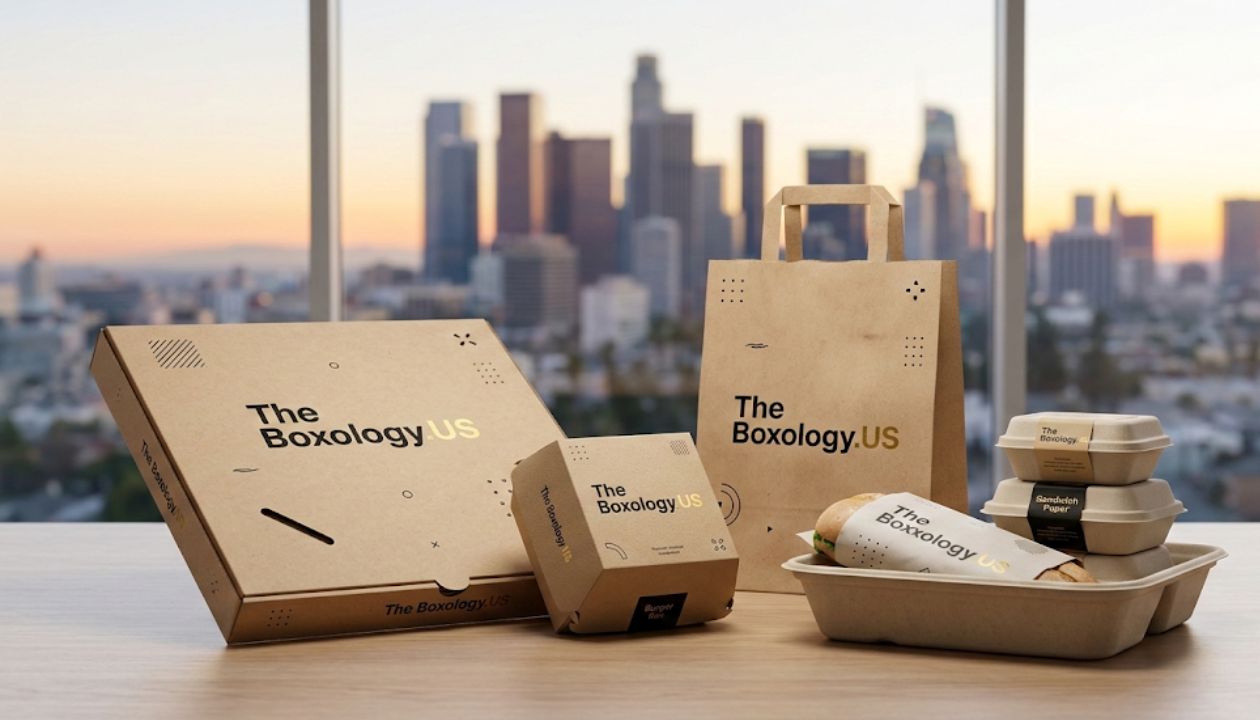
The Boxology.US offers customizable food packaging with options for box dimensions, materials, structures, printing, and branding.
Its published services include packaging consultation, design assistance, mockups, and custom box development. These options allow customers to discuss their packaging requirements before approving the final design.
When planning custom food packaging, businesses should consider the product’s dimensions, intended use, handling requirements, and desired presentation together.
For example, a bakery may prioritize product fit and presentation, while a takeaway restaurant may need to focus more heavily on closures, grease resistance, and transportation.
Choosing the right packaging requires balancing these practical needs rather than focusing on appearance alone.
Food Packaging Checklist Before Placing a Bulk Order
Before ordering packaging, make sure you can answer these questions:
- Is the material suitable for the intended food-contact application?
- Does the packaging fit the actual product?
- Can it handle the food’s grease, moisture, and temperature?
- Does it provide appropriate ventilation when needed?
- Is the structure suitable for handling and delivery?
- Have the dimensions, artwork, and closure been checked?
- Has a sample been tested under realistic conditions?
Share this information with your packaging supplier before approving the final order.
A clear specification makes it easier to compare packaging options and identify potential problems early.
Final Thoughts
Avoiding common food packaging mistakes starts with understanding your product.
Choose materials based on their intended use, measure your food accurately, consider grease and moisture, and test how the packaging performs during normal handling and delivery.
Do not approve a bulk order based on appearance alone. The right packaging should combine practical performance, appropriate food-contact materials, convenient handling, and a presentation that reflects your brand.
The Boxology.US offers customizable food packaging with different sizes, structures, printing options, and design support to help businesses develop packaging around their product requirements.