 Skip to content




Selecting the right packaging for books is more than a logistical necessity; it is a calculated business decision. In my decade of working with retailers and self-published authors, I have seen how a poorly chosen material can lead to damaged spines and costly returns. On the other hand, the right custom book boxes can elevate a simple purchase into a collector’s item.
The challenge lies in finding the equilibrium between protection and presentation. Whether you are searching for boxes to ship books across the country or designing a high-end gift box for book sets, the substrate you choose dictates the longevity of the product.
1. Corrugated Cardboard: The Industry Standard for Shipping
When a client asks for the best packaging for shipping books, I almost always point them toward corrugated cardboard. Unlike standard flat board, corrugated material features a fluted layer between two liners. This structure acts as a shock absorber.
For most individual novels, an ‘E-flute’ cardboard book box provides a slim profile while maintaining enough strength to withstand the rigors of the USPS or FedEx. If you are shipping a heavy custom book boxes set, upgrading to a ‘B-flute’ is a practical move to ensure the corners don’t crush under the weight.

2. Rigid Greyboard: The Height of Luxury
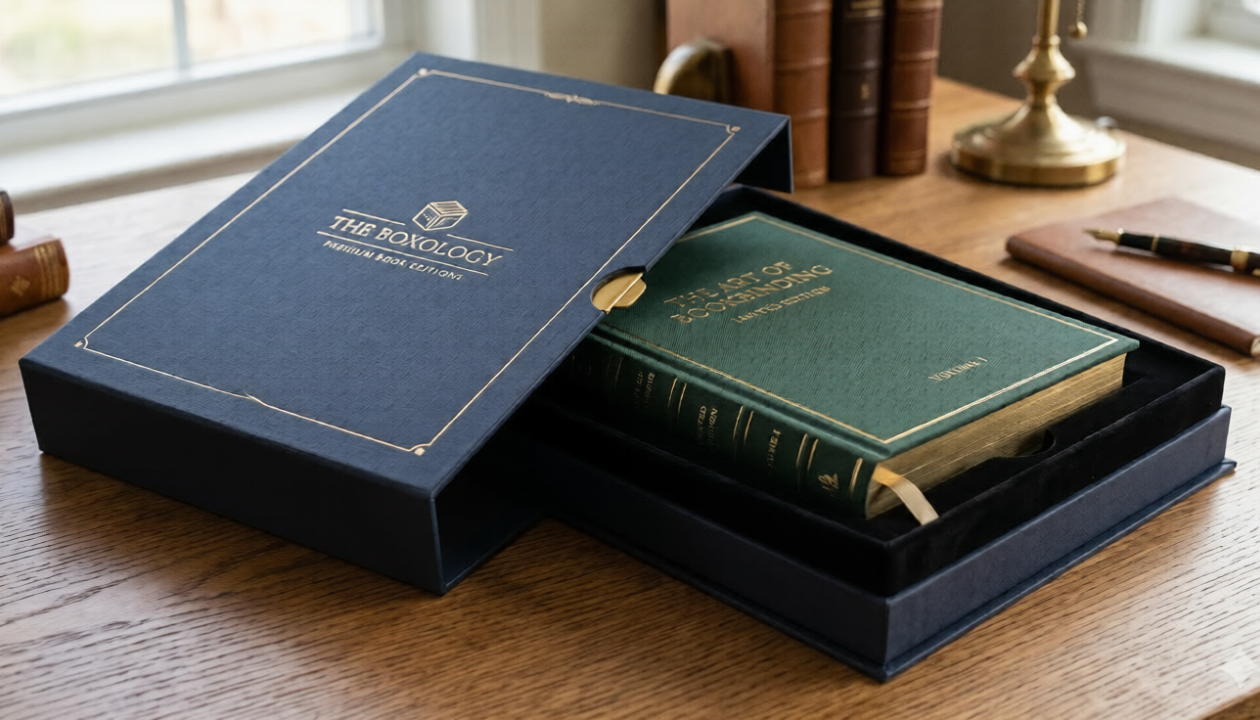
If your target market is the luxury or “special edition” sector, a custom book boxes made of rigid grey board is the only logical choice. This material does not collapse. It is the same sturdy board used for high-end electronics or luxury perfumes.
In my experience, using a rigid gift book box for a signed first edition significantly reduces the “perceived risk” for the buyer. It feels substantial in the hand. While it is more expensive to produce and ship, the reduction in damage claims and the increase in brand prestige usually offset the initial investment.
3. Kraft Paper: Sustainability Meets Durability
There is a common misconception that “eco-friendly” means “weak.” Natural Kraft cardboard boxes for packing books are surprisingly resilient. Because Kraft paper undergoes a different chemical pulping process than standard paper, it retains more of the wood’s natural strength.
For brands looking for cheap book boxes that don’t look “cheap,” Kraft is a reliable middle ground. It provides an organic, tactile experience that resonates well with the modern, environmentally conscious reader.

4. Art Paper Wraps and Laminations
When designing a booklet box or a promotional media kit, the structural board is often wrapped in high-quality art paper. This allows for sharp, vibrant printing that isn’t possible on raw corrugated surfaces.
To ensure the box for book protection is complete, I always recommend a matte or scuff-resistant lamination. Without it, the dark inks on your custom book boxes may show fingerprints or scratches before the customer even opens the package.
5. Solid Bleached Sulfate (SBS)
For lighter, retail-ready book boxes, SBS board is a clean, white option. It is often used for thin paperbacks or educational materials. While not as rugged as a cardboard book box, it offers a premium surface for intricate design work. It is a cost-effective way to create a box for books that needs to look sharp on a retail shelf rather than survive a 2,000-mile transit.
6. Folding Carton (Paperboard)
Sometimes, the goal isn’t shipping protection but rather a “dust jacket” for the box itself. A lightweight custom book boxes made from folding carton is ideal for multi-volume sets that sit inside a larger shipping container. It keeps the book box dimensions tight and prevents the individual volumes from rubbing against each other, which often causes “shelf wear” before the book is even sold.
7. Textured Specialty Paper

What most businesses overlook is the tactile “grip” of a gift boxes for books. Using a material wrapped in linen-textured paper or faux-leather finish transforms a standard book box into a keepsake. It’s a subtle cue to the customer that the content inside is valuable.
Material Comparison Table: Which Should You Choose?
| Material Type | Best Use Case | Durability | Luxury Feel | Cost |
|---|---|---|---|---|
| Corrugated (E-Flute) | Shipping & E-commerce | High | Moderate | Low |
| Rigid Greyboard | Limited Editions / Gifts | Extreme | High | High |
| Kraft Board | Eco-friendly Branding | Moderate | Rustic | Low |
| Art Paper (SBS) | Retail Display | Low | High | Moderate |
| Textured Paper | Premium Gift Sets | Moderate | Very High | High |
The Boxology’s Expert Insight
In my years of overseeing production runs for bulk manufacturers, I’ve noticed one recurring mistake: ignoring “internal friction.” Even the sturdiest custom book boxes will fail if the book is allowed to slide inside. This movement acts like sandpaper on the book’s edges. If your book box dimensions aren’t a perfect “snug fit,” always include a thin tissue wrap or a custom insert. A 2mm gap is enough to ruin a matte-finish book cover during a bumpy truck ride.
Technical Factors: Getting the Dimensions Right

When calculating book box dimensions, you must account for the “thickness” of the material itself. A common error is providing the exterior dimensions to a manufacturer when the interior clearance is what actually matters.
For a box for book shipping, we typically add a 1/8-inch tolerance to the width and length. This allows for easy insertion and removal without the book being so loose that it sustains damage. If you are ordering custom book boxes for a hardcover with a dust jacket, that extra breathing room is non-negotiable to prevent tearing the Mylar or paper wrap.
Balancing Your Budget: Finding Cheap Book Boxes
I often tell my clients at The Boxology.US that “cheap” doesn’t have to mean “flimsy.” If you are on a tight budget, focus on the structural integrity of a cardboard book box but simplify the printing. Using a single-color flexographic print on a sturdy box for books is much more professional than a full-color print on a box that arrives crushed.
For those looking for the best packaging for shipping books on a budget, consider the “Mailer” style. These booklet box designs use less material than a traditional lid-and-base setup but offer double-walled protection on the sides, which is where most shipping impacts occur.
Checklist for Ordering Custom Book Boxes
- Verify Interior Dimensions: Measure the book’s height, width, and spine thickness.
- Weight Test: Ensure the board grade (ECT rating) can handle the book’s weight.
- Finish Check: Choose matte, gloss, or soft-touch lamination to protect the print.
- Sustainability: Determine if your audience prefers recyclable Kraft or luxury Rigid board.
- Shipping Method: Will these boxes to ship books go inside a mailer bag or be shipped as-is?
Conclusion: Investing in the First Impression
The journey of a book ends in the reader’s hands, but it begins with the unboxing. A custom book boxes is a silent ambassador for your brand. Whether it is a sturdy cardboard book box for a textbook or an elegant gift box for book collectors, the material is the foundation of that experience.
Choosing between a custom book box set or individual book boxes requires an understanding of your shipping TCO (Total Cost of Ownership). At The Boxology.US, we specialize in helping businesses navigate these technical choices without the guesswork.
Need a second pair of eyes on your packaging specs? We offer a free consultation to review your book box dimensions and material choices. Whether you’re looking for a prototype or a bulk run, we can help you find a reliable solution that fits your budget.
Contact us today for a quote or to discuss your first order we often provide significant discounts for new partners looking to elevate their packaging game.


