Skip to content

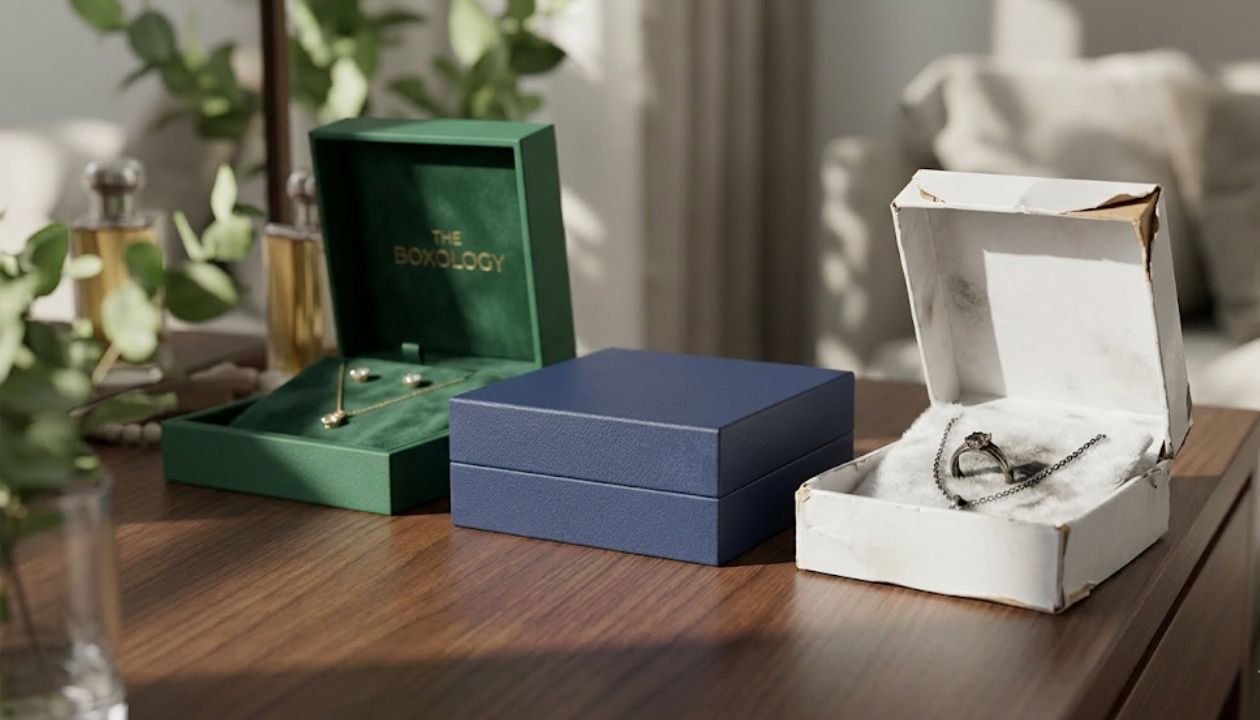




In my decade of navigating the packaging floor and consulting for high-growth retailers, I have noticed a recurring mistake. Brands spend months perfecting a necklace or an engagement ring, only to settle for a generic box at the last second. They treat packaging as a cost center rather than a silent salesperson.
What most businesses overlook is that the jewelry box is the only part of your product that sits on a customer’s vanity for years. It is a physical reminder of the quality they purchased. If that box peels, fades, or worse causes the jewelry to tarnish, your brand’s reputation fades right along with it.
The Structural Anatomy of a Reliable Jewelry Box

When you are sourcing wholesale, you aren’t just buying a container; you are buying protection. In the USA market, three specific structures dominate the landscape. Understanding the difference is the first step in managing your margins and meeting customer expectations.
1. The Classic Rigid Box (Setup Box)
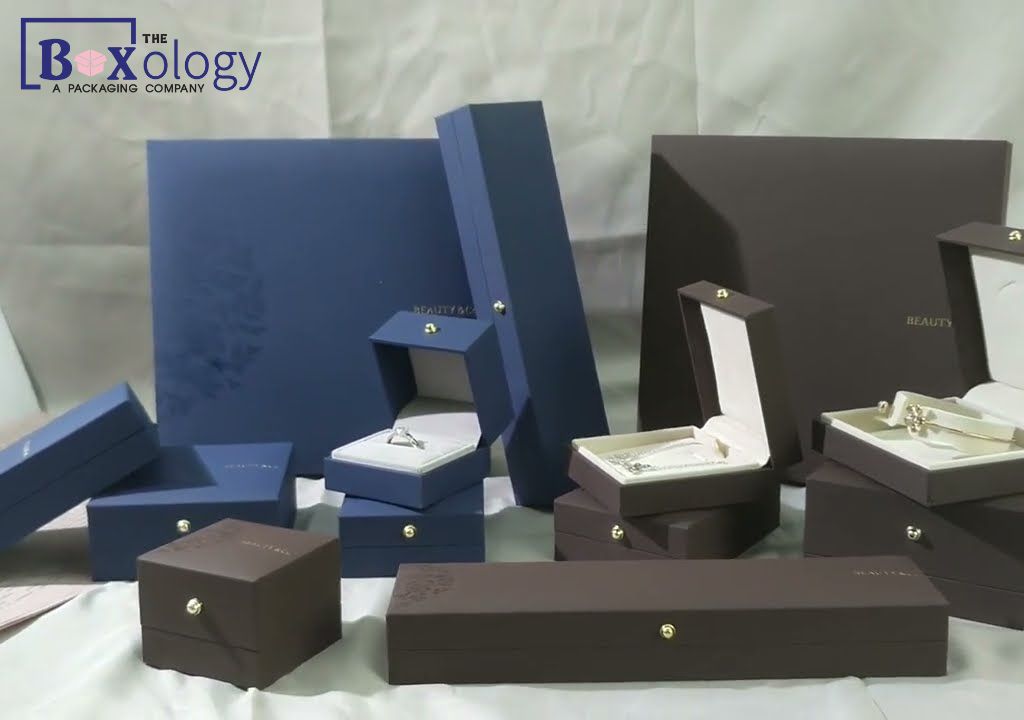
This is the gold standard for luxury. These boxes do not collapse. They are made from thick chipboard wrapped in premium paper. In my experience working with bulk manufacturers, these provide the best “heft.” For instance, specialized necklace boxes or high-end ring boxes require this level of rigidity to maintain the presentation during a proposal or a gift reveal.
2. The Foldable Cardboard Box
If you are an e-commerce-first brand, storage space is your enemy. Foldable boxes arrive flat. While they lack the premium feel of a rigid box, modern printing techniques like spot UV or soft-touch lamination can make them look remarkably sophisticated. Many eco-conscious brands now prefer kraft jewelry boxes because they combine this space-saving flat-ship design with a rustic, organic appeal.
3. The Slide-Out Drawer Box
These have gained massive traction recently. They offer a unique “reveal” experience. At The Boxology.US, many of our clients find that drawer-style boxes are less likely to be thrown away, serving as a permanent storage solution for the end user, especially for items like earring boxes where organization is a priority.
Technical Comparison: Choosing Your Foundation
| Feature | Rigid Boxes | Foldable Cardboard | Kraft/Eco Boxes |
| Durability | High | Medium | Medium |
| Shipping Cost | Higher (Bulkier) | Low (Ships Flat) | Low |
| Unboxing Feel | Premium/Luxury | Modern/Clean | Organic/Artisan |
| Best For | Rings, Diamonds | Fashion Jewelry | Handmade Items |
The Boxology’s Expert Insight: The “Sulfur Trap”
Insider Tip: What many jewelry startups don’t realize is that the glue used in cheap, low-grade boxes often contains high levels of sulfur. Over time, this gas escapes and reacts with silver and gold-plated items, causing them to tarnish. When sourcing your jewelry boxes, always ask for “acid-free” and “sulfur-free” certifications. It’s a small detail that saves you thousands in returns.
Why “Trends” are Secondary to Functionality

Every year, I see brands chasing the latest aesthetics. While staying updated on the top jewelry box trends for 2026 is vital for staying relevant, the functionality of your jewelry box determines your return rate.
Secure Inserts for Every Category
A ring rattling around in a box during a 2,000-mile cross-country shipment is a recipe for a damaged setting. We recommend high-density foam with a velvet topper. Different items need different grips:
- For Bracelets: Use bracelet boxes with elastic stays.
- For Bangles: Sturdy bangle boxes prevent side-to-side friction.
- For Watches: Premium jewelery watch boxes must include a soft pillow insert.
Navigating the Wholesale Landscape in the USA
Sourcing a jewelry box in bulk requires a balance of lead times and quality control. If you buy too little, your unit cost kills your margin.
- Inventory Management: For small businesses, I suggest starting with small jewelry boxes that can fit multiple types of charms or studs.
- Niche Markets: If you specialize in accessories, ensuring you have dedicated anklet boxes can set you apart from competitors who use “one-size-fits-all” packaging.
Checklist: Before You Place Your Bulk Order
Before hitting “order” on a thousand units, run through this practical checklist:
- Sample Test: Have you put your heaviest piece in the box and shaken it?
- Tarnish Test: Leave a silver sample in the box for 14 days.
- Fit: Does the box fit into a standard USPS Small Flat Rate box?
- Branding: Is your logo crisp? Avoid very thin lines in gold foil on textured paper.
Sustainability: Not Just a Buzzword
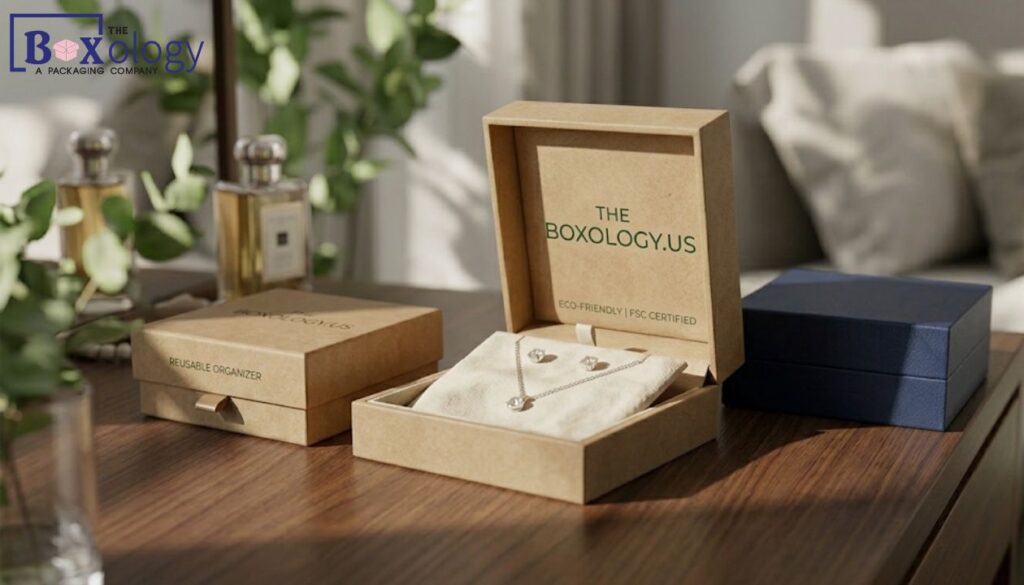
In the current market, “eco-friendly” is a baseline expectation. At The Boxology.US, we encourage our partners to look at the full lifecycle. Can the customer reuse this box? Using soy-based inks for your logo is a practical way to reduce environmental impact without sacrificing vibrant colors.
Conclusion: Investing in Your First Impression
Your packaging is an investment in your brand’s future. A well-chosen jewelry box protects your craft and delights your customers. It is the final touch that turns a simple purchase into a memorable gift.
Would you like a second opinion on your current packaging? Many of our clients at The Boxology.US started with a simple conversation. I’m happy to offer a free consultation to look over your specs. Additionally, for new retailers looking to scale, we can often apply a 25% discount on your first custom order to help you get started.