 Skip to content







Procurement managers and small business owners often fall into a predictable trap. When sourcing shipping materials, they sort the spreadsheet by the lowest price per unit, pick the cheapest vendor, and assume the job is done.
Then reality hits.
A batch of custom corrugated mailer boxes arrives with fluting so weak the walls collapse under double-stacking. Or a critical shipment is delayed by three weeks because the manufacturer ran out of linerboard, leaving your fulfillment team standing idle.
Finding a reliable corrugated packaging boxes supplier is not merely about finding a vendor with a low price point. It is about securing a strategic partner that stabilizes your supply chain, protects your product margin, and understands the nuances of material science. Whether you are searching for a corrugated packaging boxes supplier near me for local agility or evaluating large corrugated packaging boxes supplier networks for high-volume distribution, this guide breaks down the structural, operational, and financial realities of B2B packaging procurement.
The Structural Realities: Understanding What You Are Buying
Before signing a long-term supply contract, you need to speak the language of the plant floor. Not all corrugated boxes are built the same way, even if they look identical on a digital spec sheet. A trustworthy corrugated packaging boxes supplier will always ask about your product weight, transit vulnerabilities, and stacking requirements before giving a quote.
The Myth of “Cardboard”
In professional procurement, we avoid the term “cardboard.” Cardboard refers to thick paperboard like cereal boxes. For shipping, you need corrugated packaging boxes. This material consists of a fluted corrugated medium sandwiched between two flat linerboards. The structural strength of a corrugated box comes from this engineered architecture, not just the thickness of the paper.
Wall Construction: Single vs. Double Wall

When evaluating corrugated box manufacturers, you must match the wall construction to your shipping environment:
- Single Wall: One layer of fluting between two liners. Ideal for standard e-commerce shipping, lightweight retail goods, and subscription boxes. Common styles include the classic corrugated shipping box and lightweight corrugated mailer boxes.
- Double Wall: Two layers of fluting and three liners. If your product is heavy, fragile, or industrial, you need a double wall corrugated box. These are essential for machinery parts, electronics, or bulk liquid transport where stacking strength is non-negotiable.
ECT vs. Mullen Testing
Do not let a corrugated supplier near me gloss over strength ratings. Look for the stamp on the bottom of the box:
- Edge Crush Test (ECT): Measures stacking strength. If your pallets are stacked three-high in a warehouse, ECT matters most. A standard 32 ECT single-wall box is the baseline for most e-commerce needs.
- Mullen Test (Bursting Strength): Measures how much pressure the box wall can handle before puncturing. If you are shipping irregular, sharp items via rough parcel carriers, ask your corrugated packaging boxes supplier for a burst-tested box (typically rated at 200 lbs per square inch).
Evaluating the Operations: Domestic Manufacturers vs. Local Brokers
When sourcing wholesale boxes for small business, you have three main paths. You can work with massive cardboard box manufacturers in usa, buy from a regional converter, or order from a local packaging broker. Each model carries distinct trade-offs.

| Supplier Type | Primary Advantage | Major Disadvantage | Ideal Business Fit |
| Large National Manufacturers | Lowest per-unit cost on massive runs | High MOQs and rigid scheduling | Enterprise & high-volume accounts |
| Regional Converters / Suppliers | Flexible run sizes and faster setups | Slightly higher raw material costs | Growing mid-sized retail brands |
| Local Brokers & Distributors | Low MOQs and immediate local stock | Highest markup with zero custom print | Startups and small local businesses |
If you are a growing enterprise, hunting for corrugated boxes wholesale near me often leads you to regional independent converters. They possess the industrial machinery like an automatic corrugated box making machine or high-speed die-cutters to handle volume, but they still value a mid-sized retail account.
Red Flags to Watch for in a Packaging Supplier
Over the past decade, I have seen dozens of supply chain disruptions that could have been avoided during the initial vetting process. When interviewing a potential corrugated packaging boxes supplier, look out for these operational warning signs:
- Vague Lead Times: If a sales representative says, “We can usually turn things around in a week or two,” ask for their historical On-Time In-Full (OTIF) percentage. A professional manufacturer tracks this metric meticulously.
- No Tooling and Die Clarification: If you require a custom corrugated box with specific dimensions or custom printing, there will be upfront tooling costs (cutting dies and printing plates). If a supplier buries these costs or fails to explain who owns the physical tooling once paid for, walk away.
- Unexplained Freight Charges: Corrugated board is heavy and bulky. Shipping empty boxes across three states can wipe out any savings you gained on the per-unit price. This is why searching for corrugated cardboard manufacturers near me or a corrugated boxes near me warehouse is often a matter of financial survival.
The Boxology’s Expert Insight
In my experience working with bulk manufacturers, the biggest hidden cost isn’t freight or tooling it is caliper variance during peak season.
When paper mills face supply crunches in Q4, some lower-tier suppliers use lighter-weight linerboards or cheaper recycled fibers while still labeling the box under the old specification. They might sell you a 5 ply corrugated box that looks right but uses sub-par medium fluting that absorbs ambient warehouse humidity and sags under load.
The Pro Tip: Always inspect the Manufacturer’s Box Certificate (the circular stamp printed on the bottom flap). If your corrugated packaging box fails in transit, check that stamp. If the bursting test or ECT rating doesn’t match your invoice, you have concrete contractual leverage to demand a credit or a reprint.
Balancing Material Types: Kraft, White, and Structural Grades
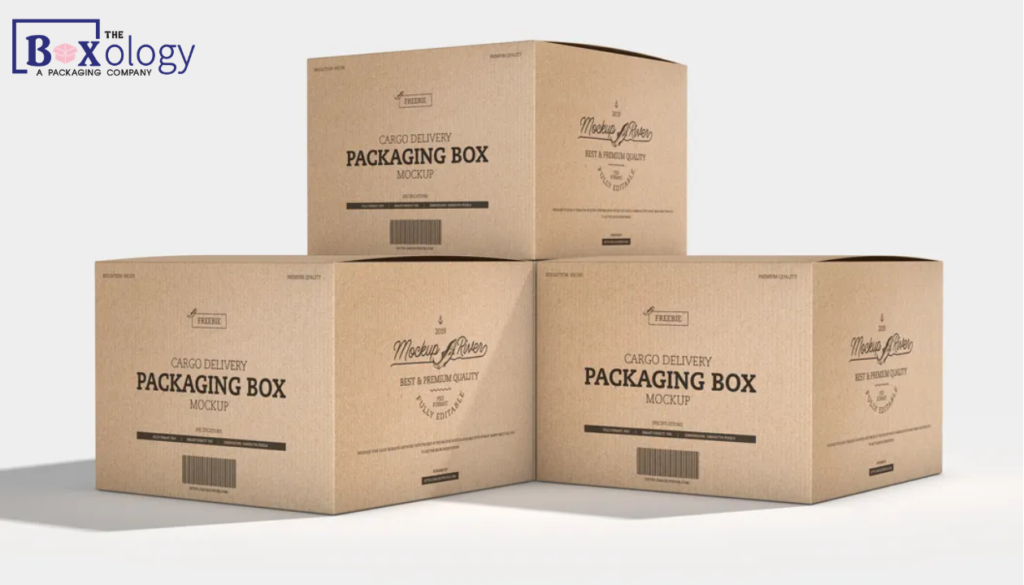
Your choice of material affects both your unboxing experience and your bottom line. A versatile corrugated packaging boxes supplier should offer several options:
Kraft vs. White Corrugated Board
- Standard Kraft: The traditional brown corrugated shipping boxes we see every day. It is highly cost-effective, structurally sound, and made from a high percentage of recycled material. It is the industrial workhorse.
- White Corrugated Board: Bleached or mottled white board provides a clean surface for high-contrast printing. If you are selling premium subscription goods, white corrugated mailer boxes make your graphics pop, though they come at a premium price and show scuffs more easily during transit.
Specialty Grades
For specific heavy-duty industrial needs, some clients require a 5 ply corrugated box making machine level of strength, involving multiple fluted mediums bound together. For standard retail fulfillment, however, a well-constructed single-wall or double-wall box corrugated boxes configuration is more than sufficient.
Sourcing Strategies for Small and Growing Businesses

For a small brand, navigating the world of wholesale corrugated boxes can feel intimidating. Large mills prefer orders in the tens of thousands, leaving growing operations scrambling to find accessible terms.
Many of our clients at The Boxology.US find that the most sustainable approach to scaling packaging is a tiered procurement strategy:
- Start with Stock Sizes: Before investing in custom dimensions, see if your product fits into standard industrial sizes. Buying stock bulk corrugated boxes eliminates tooling fees entirely.
- Branded Sleeves or Labels First: If you cannot hit the Minimum Order Quantities (MOQs) for direct-print custom corrugated box runs, buy plain white corrugated boxes or kraft boxes and use high-quality printed labels or custom packing tape.
- Negotiate Blanket Orders: As your volume grows, ask your corrugated board boxes supplier for a blanket order contract. This allows you to commit to a larger annual volume to lock in a lower per-unit price, while the supplier holds the inventory and releases smaller shipments to you every month. This approach saves valuable warehouse space while keeping unit costs low.
Final Procurement Checklist
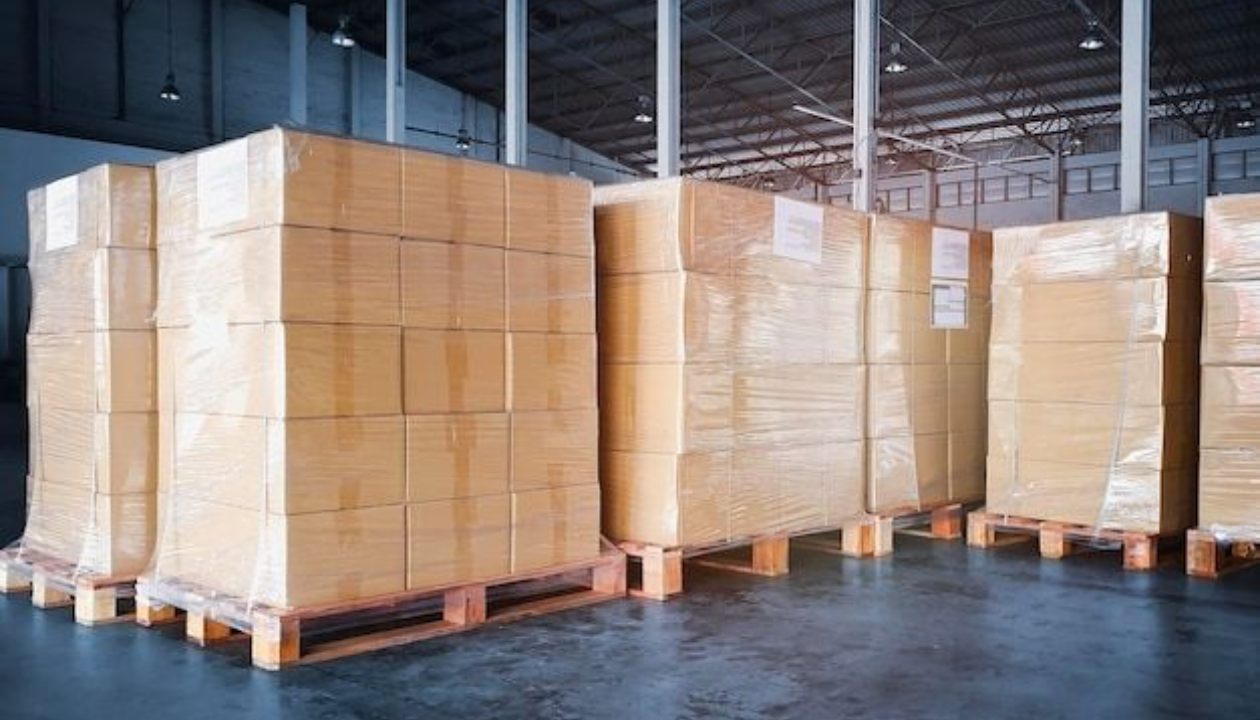
Before you wire a deposit to a new corrugated packaging boxes supplier, run through this final operational checklist:
- Sample Verification: Have you tested a physical sample of the exact structural grade (e.g., 32 ECT Kraft) with your actual product inside?
- Freight Terms: Is the quote FOB (Free on Board) Shipping Point or FOB Destination? Who pays if freight costs spike?
- Palletization Specifications: Does your warehouse configuration match the supplier’s delivery layout? (e.g., pallet height limits, liftgate requirements).
- Defect Policy: What is the acceptable quality limit (AQL)? If 3% of the batch has glue line failures, what is the remediation process?
- Storage Fees: If you utilize a blanket order, what are the storage fees if your inventory sits past 90 days?
Building a Resilient Packaging Supply Chain
Your packaging is the only physical touchpoint that 100% of your customers will see. A poor choice in a corrugated packaging box supplier can lead to damaged goods, frustrated warehouse staff, and tarnished retail relationships. Conversely, a partnership with a reliable, transparent manufacturer turns your packaging from a fluctuating expense into a predictable operational asset.
Look for suppliers who focus on material performance and structural integrity rather than just empty promises of fast turnarounds.
If you are currently auditing your supply chain, re-evaluating your current per-unit costs, or trying to solve a persistent product damage issue, let us help you find clarity. Reach out to the team at The Boxology.US today for a comprehensive packaging review. We will look at your current specs, transit modes, and structural choices to optimize your shipping operation completely free of charge on your first consult.


