Skip to content

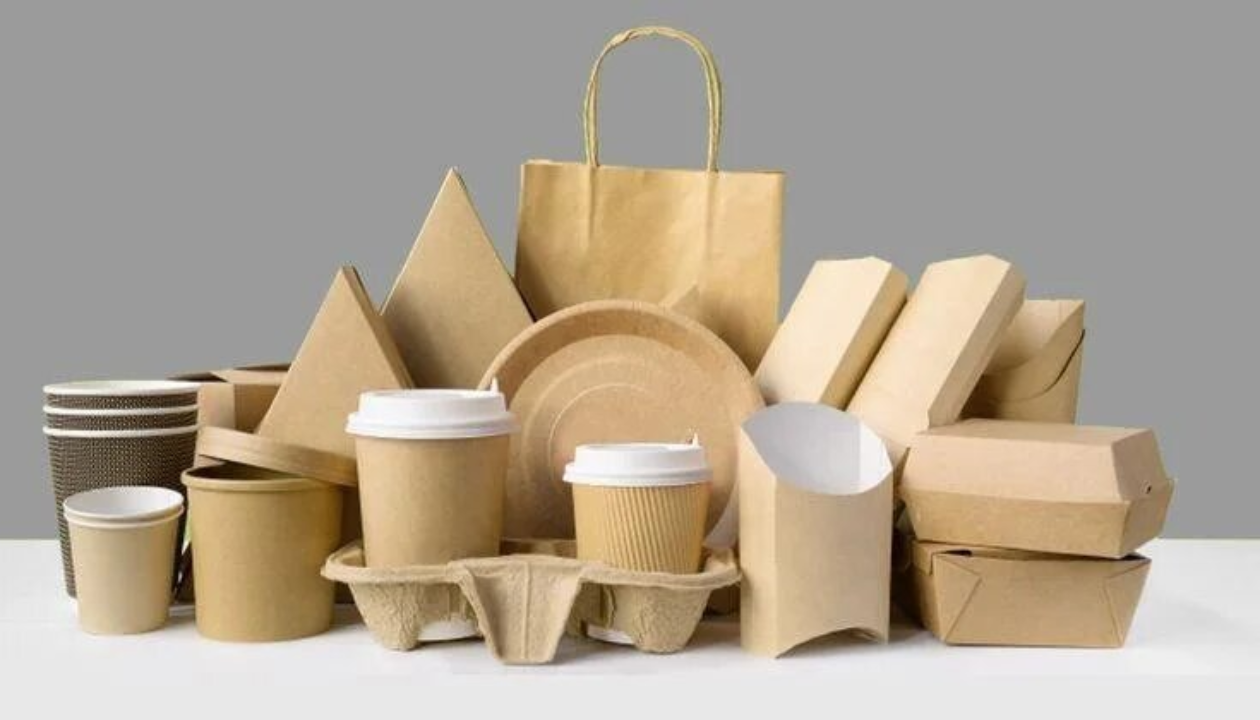


In the catering world, the transition from the kitchen to the guest’s plate is where many businesses either build a reputation or lose one. You can prepare a five-star meal, but if it arrives cold, soggy, or leaking through a flimsy container, the culinary effort is wasted. This is why selecting high-quality bulk food packaging supplies is just as critical as the ingredients in your pantry.
In my fifteen years of navigating the supply chain for bulk manufacturers, I have seen catering startups struggle with overhead costs simply because they chose the wrong materials. Managing a high-volume catering operation requires a strategic approach to bulk food packaging supplies. It is not just about buying in large quantities; it is about selecting the right substrates that balance thermal performance with cost-efficiency.
For businesses operating in the USA, where delivery distances can be long and consumer expectations for “Instagrammable” presentation are high, your choice of bulk food packaging supplies acts as your brand’s silent ambassador.
1. Heavy-Gauge Aluminum Trays and Lids
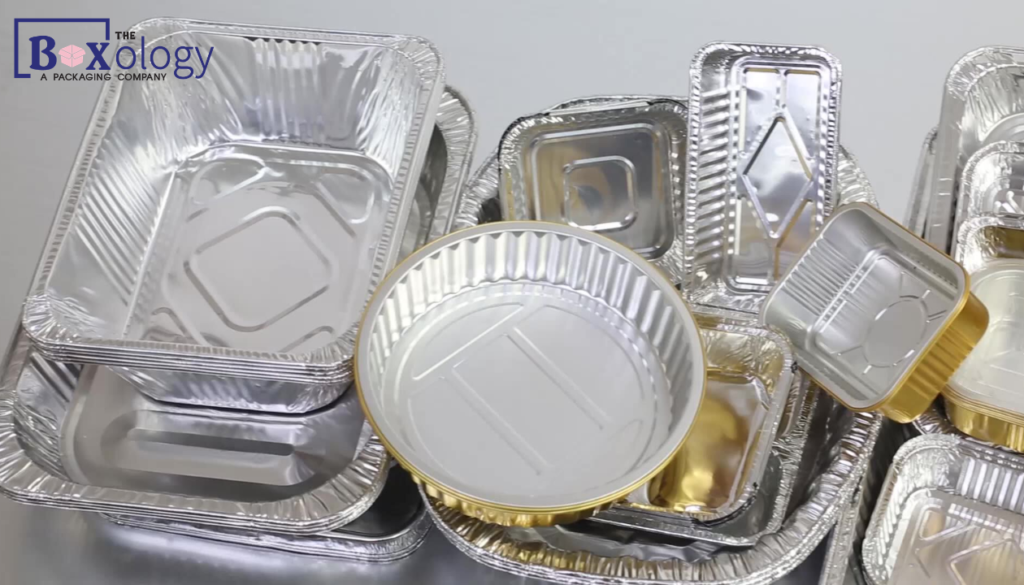
Aluminum remains the backbone of the industry for a reason. When you are transporting trays of brisket or trays of lasagna, you need structural integrity. In my experience, many caterers try to save a few cents by opting for “standard” gauge bulk food packaging supplies, only to have the pans buckle under the weight of the food.
- Why it matters: Exceptional heat retention and oven-readiness.
- Practical Tip: Always opt for “full-curl” rims. They provide a much tighter seal with the lid, preventing steam from escaping and keeping food moist during transit.
2. Compostable Bagasse Containers
With shifting regulations in various US states regarding single-use plastics, bagasse (sugarcane fiber) has become a reliable alternative. Unlike some recycled paper products, bagasse does not become “mushy” when exposed to high-heat steam.
- Best for: Individual boxed lunches or sides.
- The Benefit: It signals to your clients that your business is environmentally conscious without sacrificing the sturdiness required for heavy sauces.
3. Poly-Coated Kraft Paper Boxes
If you are serving fried appetizers or gourmet sliders, grease management is your biggest hurdle. Plain cardboard will soak up oils, leaving unsightly spots. Poly-coated bulk food packaging supplies feature a thin barrier that keeps the exterior looking clean and professional.
4. Custom Pizza and Flatbread Boxes
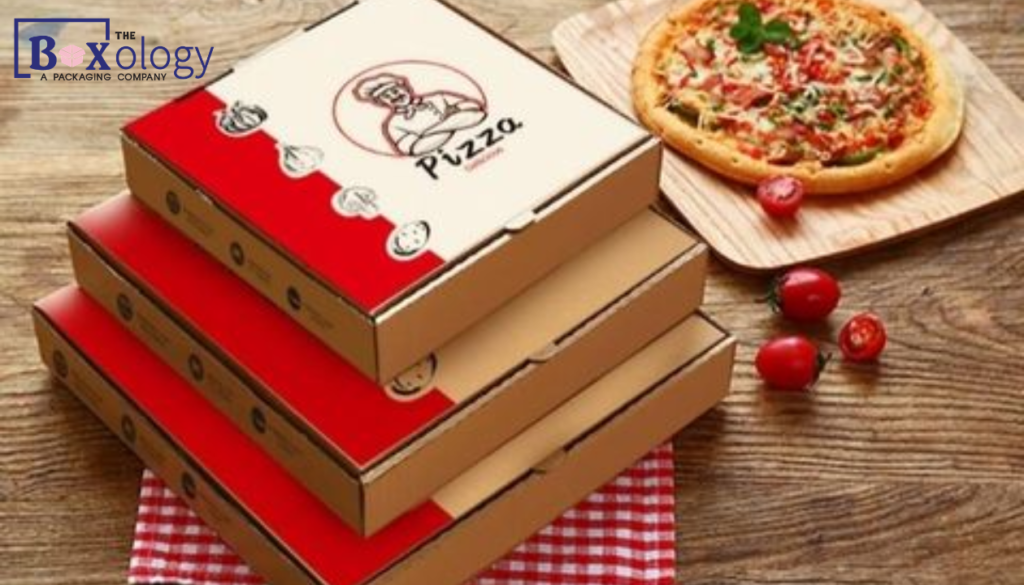
Many caterers overlook the versatility of a well-constructed pizza box. Beyond just Italian cuisine, these are sturdy enough to stack for large-scale appetizers or dessert assortments. Using high-quality pizza boxes ensures that the base of the food remains crisp rather than steaming into a rubbery texture.
5. Tamper-Evident Delivery Seals
What most businesses overlook is the psychology of the modern consumer. In a post-pandemic market, the “safety seal” is no longer optional it is expected. Utilizing adhesive tamper-evident seals on your catering boxes ensures the client that the food hasn’t been touched since it left your facility.
The Boxology’s Expert Insight: The “Steam Trap” Mistake
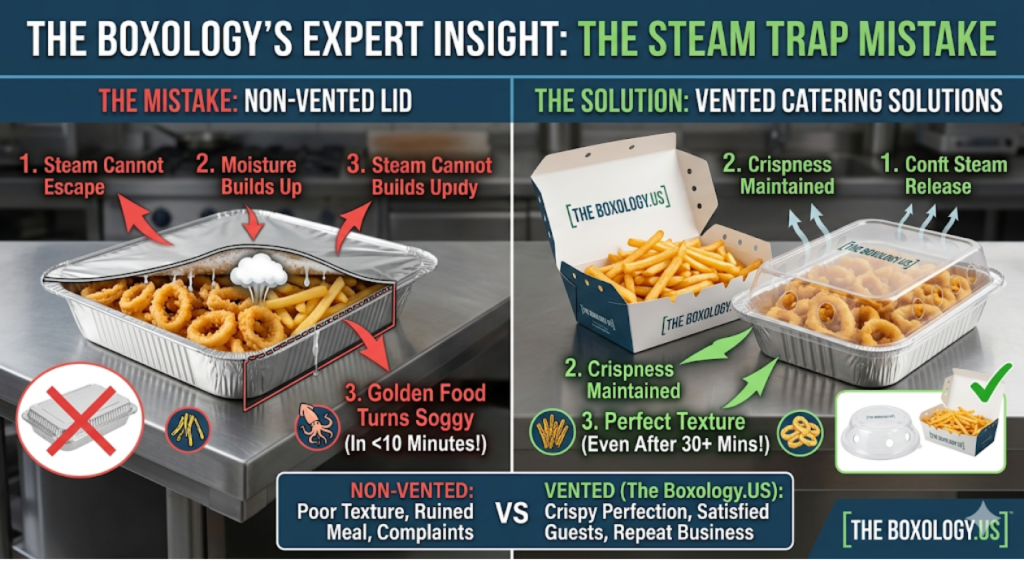
Expert Tip: One of the most common mistakes I see caterers make is sealing hot fried foods (like calamari or fries) in airtight plastic or foil containers. The steam has nowhere to go, turning your crispy product into a soggy mess in under ten minutes.
At The Boxology.US, we always advise our clients to utilize vented french fries boxesor micro-perforated wraps for fried items. This allows just enough moisture to escape to maintain texture while holding the internal temperature. If your current bulk food packaging supplies don’t offer ventilation, a simple manual “venting” technique can save your reputation.
6. Heavy-Duty Food Trays
For casual outdoor events or corporate mixers, heavy-duty cardboard trays are indispensable. They allow for easy “grab and go” service. When sourcing these bulk food packaging supplies, look for options with reinforced corners, as guests tend to hold them with one hand while holding a drink in the other.
7. Portion Cups with Recessed Lids
Sauces and dressings are the most frequent cause of “ruined” deliveries. When sourcing bulk food packaging supplies, look specifically for recessed lids. These snap inside the rim of the cup rather than over the outside, providing a much higher level of leak resistance during bumpy transit.
8. Sustainable Paper Lunch Bags
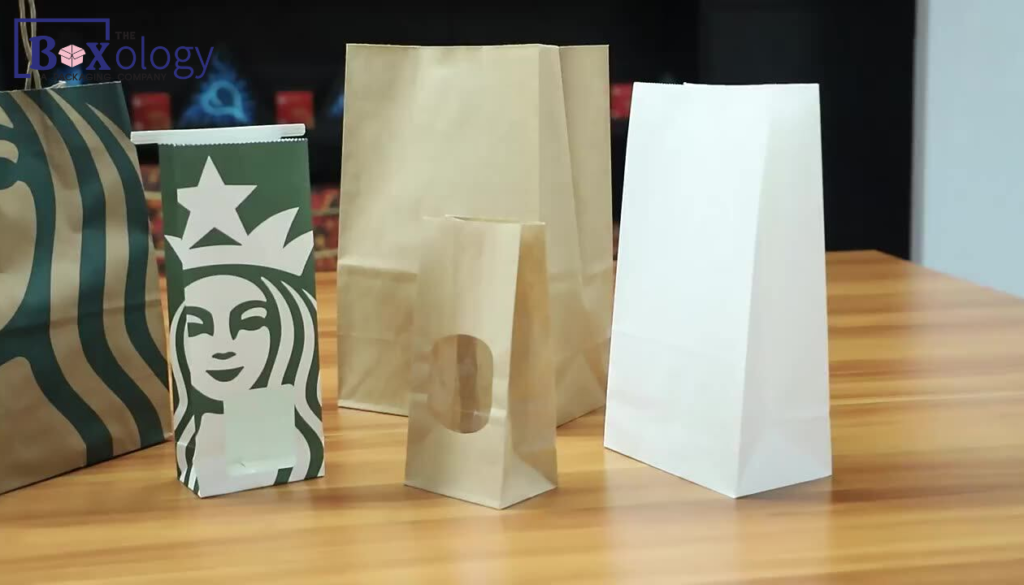
For drop-off catering, specifically for the corporate lunch sector, the humble paper bag is making a massive comeback. They are cost-effective, easy to store flat, and provide a rustic, artisanal feel that plastic bags lack. In my experience working with bulk manufacturers, high-GSM paper is the only way to go if you’re including heavy items like bottled water.
9. Insulated Thermal Blankets
While not a “disposable” in the traditional sense, bulk-purchased thermal blankets or pallet covers are vital for keeping large stacks of food at safe temperatures (above 140°F) for extended periods. These are a core part of any professional inventory of bulk food packaging supplies.
10. Grease-Resistant Snack Boxes
For a more modern retail or catering vibe, a high-quality snack box can replace a larger platter for individual portions. These bulk food packaging supplies are versatile enough to be used for charcuterie, pastries, or gourmet finger foods, ensuring the grease doesn’t seep through and ruin the presentation.
Comparison: Choosing the Right Bulk Substrate
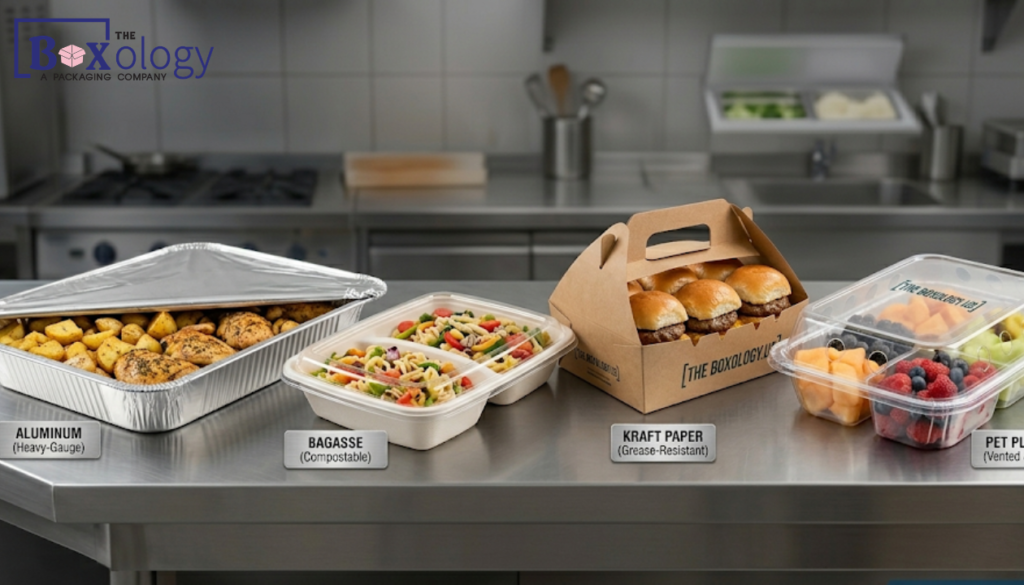
| Material Type | Heat Retention | Eco-Friendliness | Best Use Case |
| Aluminum | Excellent | Recyclable | Bulk Hot Entrees, Oven-safe meals |
| Bagasse | Good | Compostable | Boxed Lunches, Eco-conscious clients |
| Kraft Paper | Moderate | Biodegradable | Dry foods, Sandwiches, Fried snacks |
| PET Plastic | Low (Cold Only) | Recyclable | Salads, Desserts, Cold Beverages |
Managing Your Inventory of Bulk Food Packaging Supplies
Buying in bulk is a double-edged sword. While it lowers your cost-per-unit, it ties up capital and occupies physical space. I recommend a “Just-In-Case” (JIC) inventory model for your core bulk food packaging supplies like burger boxes and trays while using a “Just-In-Time” (JIT) approach for specialized items like seasonal printed wraps.
At The Boxology.US, we have observed that businesses that standardize their packaging sizes cut their waste by nearly 18%. Standardization simplifies the packing process for your kitchen staff and ensures a consistent look for your brand.
Safety and Compliance Checklist
- FDA Approval: Ensure all bulk food packaging supplies are food-grade certified.
- Microwave/Oven Safety: Clearly mark containers if they are safe for reheating.
- Stacking Strength: Test how many filled containers can be stacked before the bottom one collapses.
Final Thoughts for the Modern Caterer
The logistics of food delivery are demanding. Your choice of bulk food packaging supplies should be a calculated decision based on your menu’s specific needs not just the lowest price tag on the market. Reliability in the field is what leads to repeat contracts and five-star reviews.
If you are looking to streamline your supply chain or need a custom solution that sets your brand apart, our team is here to help.
Ready to elevate your presentation? Many of our clients at The Boxology.US find that a small adjustment in material can lead to a big increase in customer satisfaction. We offer professional advice on selecting the right bulk food packaging supplies to help you identify where you can save costs and improve food quality. Reach out for a consultation, and we can offer you a 25% discount on your first bulk order to get your business started on the right foot.