Skip to content

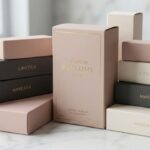


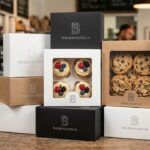
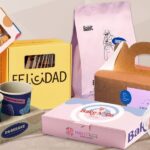
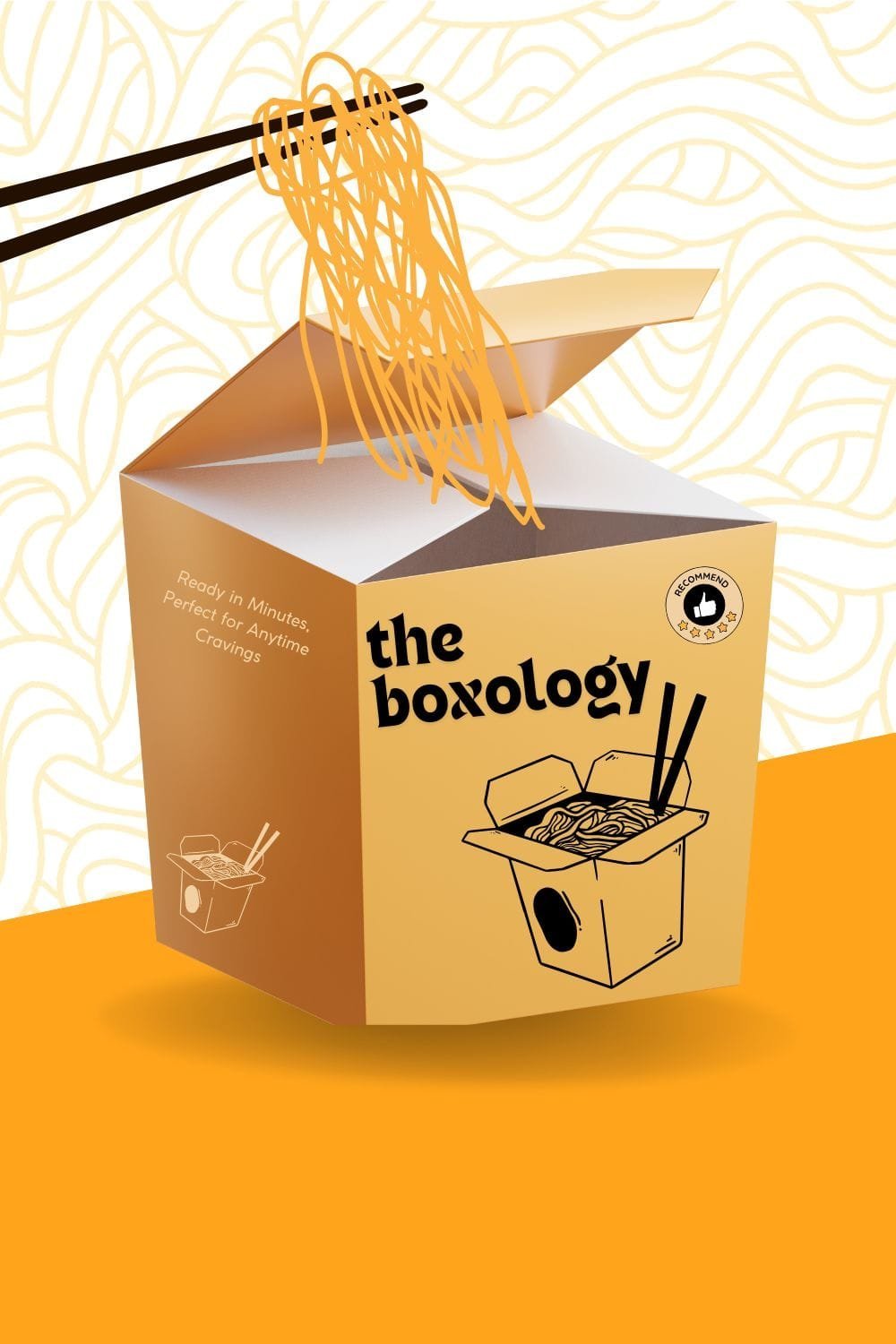
The world of retail packaging is evolving at an exciting pace. As consumers become more conscious of their buying choices and how products are packaged, brands and manufacturers are forced to rethink their approach to packaging design. The focus is no longer just about protecting the product but also about engaging the consumer, enhancing the brand’s story, and, of course, aligning with sustainability goals. In 2026, retail packaging trends are setting the stage for a more dynamic, eco-friendly, and personalized shopping experience.
Whether you’re in the e-commerce space or running a physical retail store, understanding these trends can help you stay ahead of the curve. Let’s dive into 10 key retail packaging trends that are shaping the industry in 2026 and beyond.
1. Sustainability Becomes the Standard
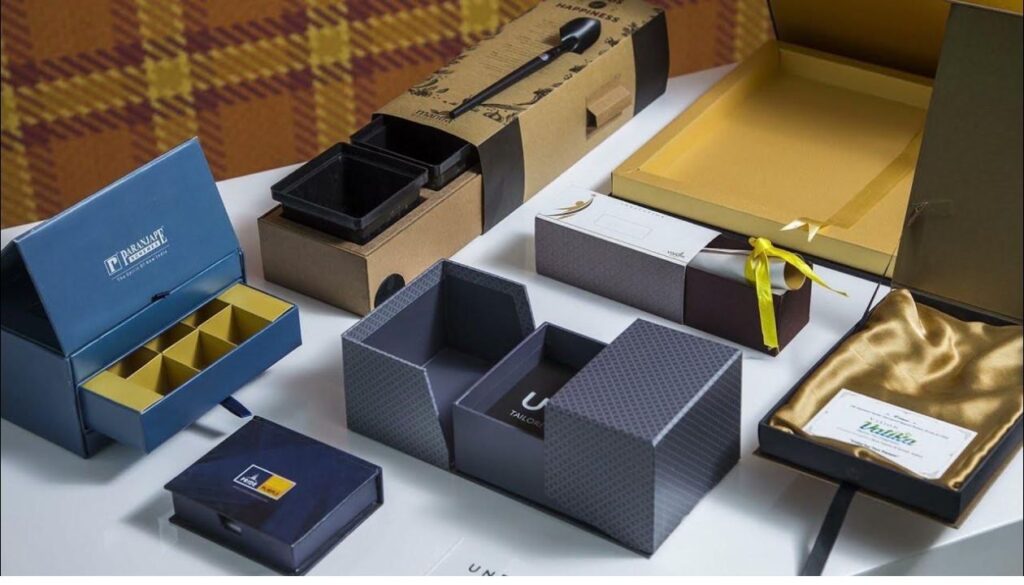
Sustainability in retail packaging is no longer just a buzzword it’s the standard. Consumers are more than ever willing to make purchase decisions based on how sustainable a product’s packaging is. With increasing pressure from eco-conscious shoppers and governments pushing for more sustainable packaging solutions, companies are opting for recycled materials, biodegradable plastics, and plant-based packaging.
Imagine receiving a beautifully packaged product that you know is both functional and better for the planet. That’s the kind of consumer behavior companies are now embracing. It’s clear that brands using eco-friendly packaging materials, like recycled paper and biodegradable plastics, will hold a competitive advantage in 2026.
2. Custom Packaging for a Personal Touch

In 2026, personalization will play a major role in retail packaging design. From custom packaging boxes with logos to fully bespoke designs, brands will be increasingly leveraging custom retail packaging boxes to create unique, branded experiences. Custom packaging boxes with personalized touches not only enhance the unboxing experience but also deepen the connection between the consumer and the product.
Brands are taking it a step further with personalized retail packaging. Think about how your packaging design could change to reflect not just your logo but also your brand’s personality. From custom product boxes that tell your brand’s story to eye-catching colors and shapes, the potential for customization in packaging is vast.
3. The Rise of Smart Packaging

As packaging technology advances, more and more companies are incorporating smart packaging features into their products. These innovative solutions can include QR codes that provide detailed product information, RFID chips to track the product’s journey, and augmented reality (AR) elements to offer interactive experiences. This level of interactivity enhances the consumer experience, bringing packaging to life.
Imagine a world where you can scan a QR code on your packaging, and it takes you to an exclusive behind-the-scenes video or product tutorial. Smart packaging isn’t just about information; it’s about creating memorable, real-time updates and interactions for the buyer.
4. Omnichannel Packaging Integration

In 2026, the line between online shopping and in-store shopping continues to blur, thanks to omnichannel shopping. Retailers are now focusing on creating retail packaging that works seamlessly across various touchpoints. Whether your product is being picked up in-store or shipped across the country, packaging optimization will become even more crucial.
For example, packaging that is durable enough for the ecommerce logistics but still visually appealing for the in-store experience is key. Packaging companies are adapting to these needs by offering solutions that are both cost-efficient and adaptable for multiple sales channels.
5. Interactive and Engaging Unboxing Experience

The rise of unboxing experiences continues to shape how brands approach retail packaging. This trend is especially popular in industries like beauty, fashion, and electronics. The packaging is no longer just functional it’s an integral part of the experience.
By adding elements like surprise bonuses, personalized messages, or even eco-conscious packaging materials, brands create an emotional connection with their consumers. Think about it: how much more memorable is it when you receive a custom packaging box that feels like it was made just for you?
6. Affordable, Functional Packaging for Startups

For startups and small businesses, cost-effective retail packaging will remain essential in 2026. Packaging that’s durable, functional, and doesn’t break the bank is a critical need for small business owners. The key here is finding that balance between quality design and a budget-friendly solution.
One example is the use of cheap retail packaging boxes that don’t compromise on aesthetics or strength. Brands can opt for retail packaging boxes wholesale to keep costs low while still delivering a functional product that meets consumer expectations.
7. The Influence of Minimalism in Design

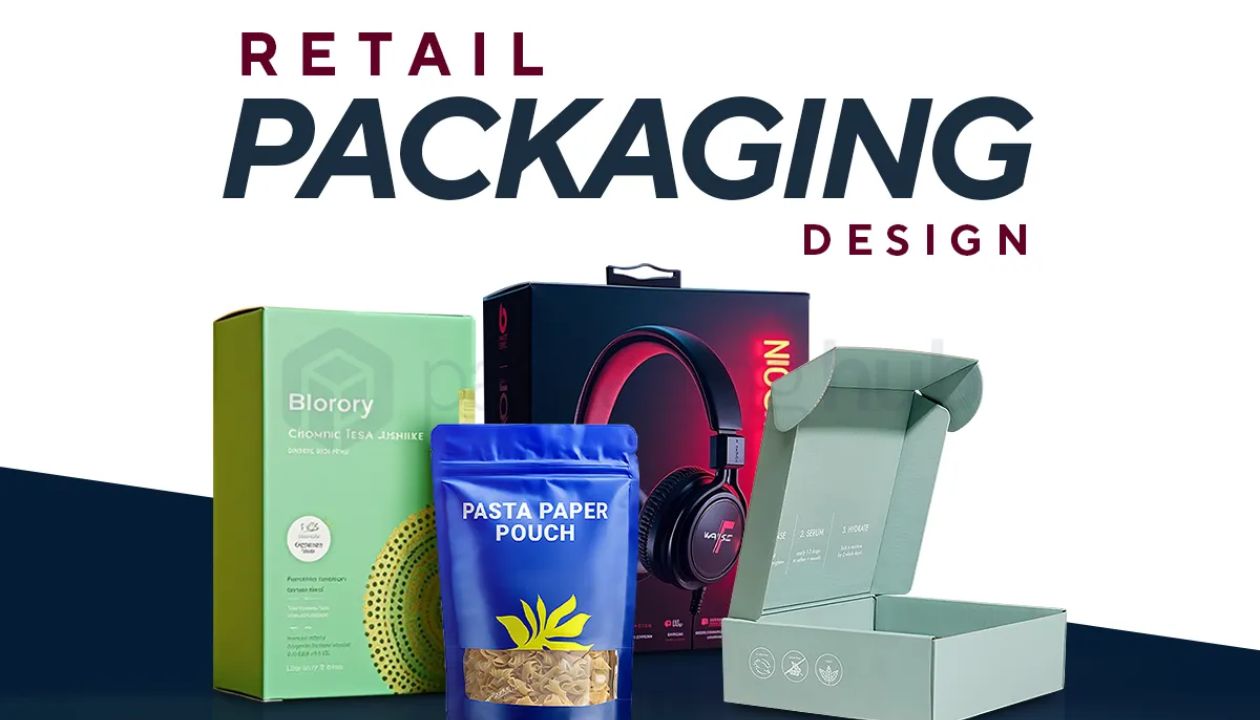
Simple, clean packaging designs are making waves in 2026. With consumers looking for functional packaging that doesn’t overwhelm them with information, minimalism is on the rise. Brands are opting for creative packaging design that speaks volumes with fewer words.
Using bold typography, single-color designs, or nature-inspired illustrations, minimalist packaging provides a more refined and sophisticated look. It’s about delivering a high-quality design without overdoing it. Think of a beautifully crafted box that makes an immediate impact with its simplicity.
8. Rise of Beauty and Fashion Packaging

Beauty packaging has always been a crucial element of product branding, but in 2026, it’s taking on a whole new level. Brands are leveraging retail packaging boxes to make a statement in the beauty and fashion industry. Whether it’s a sleek, modern design for skincare products or a vibrant, luxury-inspired look for cosmetics, packaging in this sector is about standing out.
Just like fashion packaging, beauty packaging is about evoking the right emotions and delivering a personalized experience that resonates with customers. With sustainability in mind, expect to see more eco-friendly packaging materials in this space.
9. Retail Packaging and Consumer Behavior Insights

As brands continue to adapt to the demands of ethical shoppers, understanding consumer behavior will be more critical than ever. Research indicates that consumers are more likely to purchase from brands that align with their values, and that includes sustainable packaging solutions.
Understanding the psychology of packaging and how it affects buying decisions will be a key strategy in 2026. Are your packaging materials eco-friendly enough to win over the conscious consumer? Does your packaging reflect your brand’s commitment to sustainability and innovation? These are questions that every brand will need to answer.
10. Packaging Innovations in the Supply Chain

The role of packaging machinery in improving supply chain efficiency is becoming increasingly important. As more companies look for functional packaging that also provides efficiency, innovations in packaging technology are helping businesses streamline their operations.
From automated packaging systems to packaging optimization tools, brands are adopting smarter ways to reduce waste and enhance their overall functional performance. This shift not only helps businesses save money but also reduces their carbon footprint a win-win for both businesses and consumers.
Conclusion: Shaping the Future of Retail Packaging

As we look ahead to 2026, the trends in retail packaging reflect a deeper understanding of consumer expectations, environmental needs, and the growing demand for personalization. Whether it’s through sustainable practices, innovative packaging technology, or customized packaging solutions, businesses are poised to meet the challenges of a rapidly changing market.
For those looking to stay ahead, embracing these packaging trends will be key. And as The Boxology.US continues to provide custom retail packaging boxes with a focus on quality and affordability, there’s no better time than now to start planning your packaging strategies for the future.