Skip to content

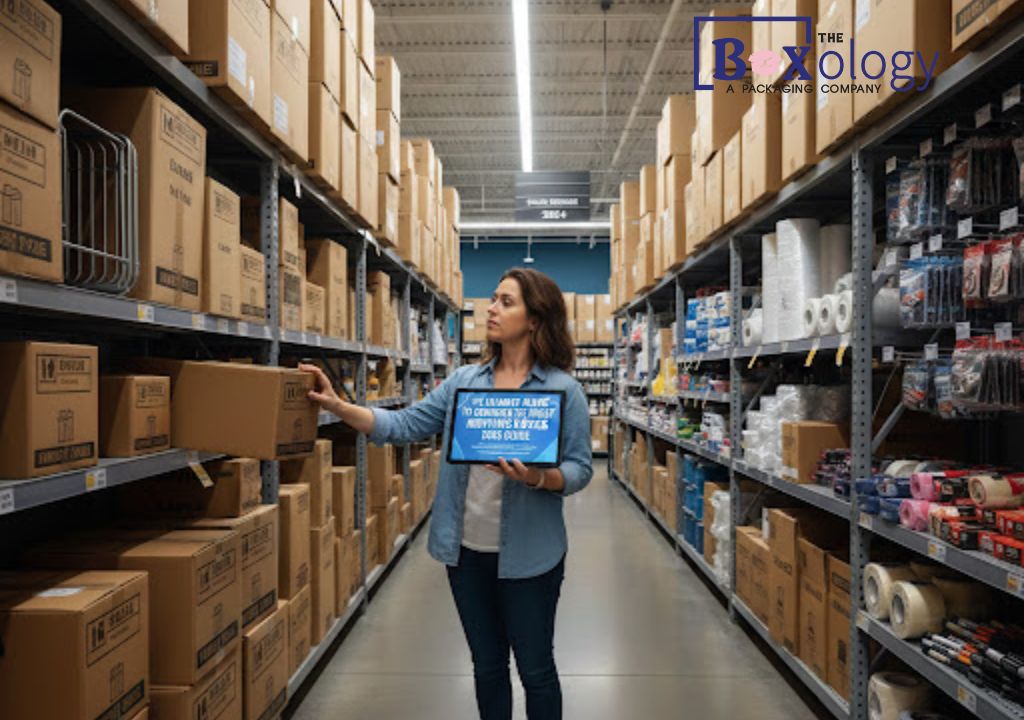







Whether you’re moving across the country or just to a new apartment down the street, selecting the right moving boxes is key to a smooth relocation process. But with so many types of boxes and packing supplies available, how do you know which ones will keep your belongings safe and organized? If you’ve ever found yourself staring at a shelf full of moving boxes in a store, unsure of what to pick, you’re not alone.
In this ultimate guide, we’ll take you step by step through the process of choosing the right moving boxes for your needs. From understanding the different types of boxes to figuring out what additional packing supplies you’ll need, we’ll help you make informed decisions and set you up for a stress-free move. Let’s dive in.
Understanding the Different Types of Moving Boxes
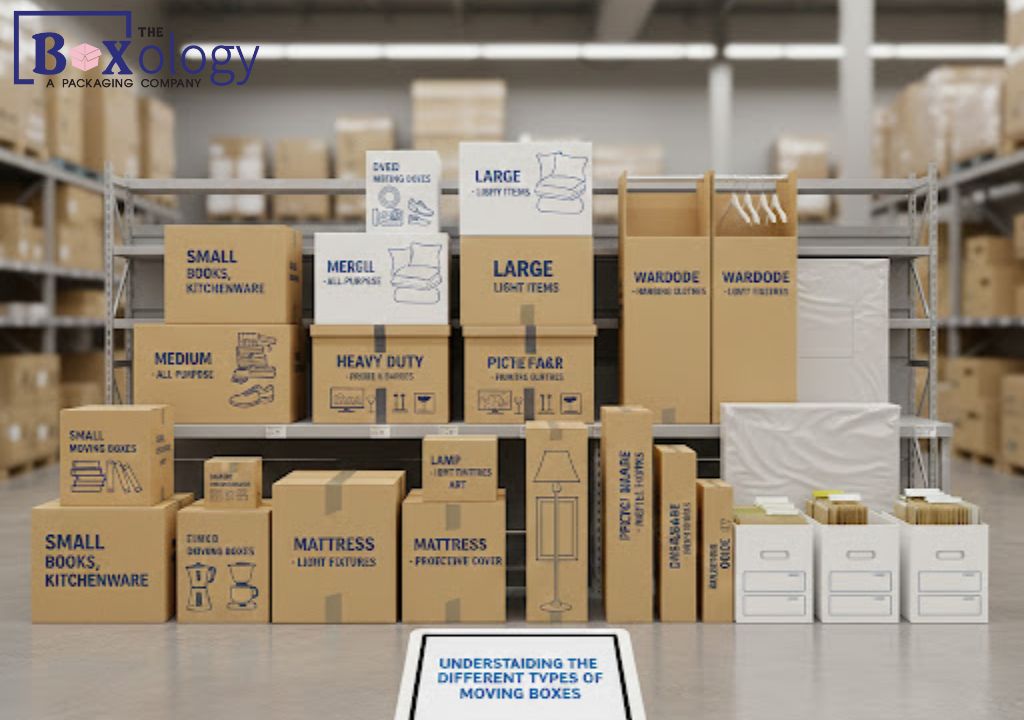
Choosing the right moving boxes starts with knowing the options available. When you’re packing up your home, you’ll need more than just a few generic cardboard boxes. Specialized moving boxes are designed to protect different types of items. Here are some of the most common types:
1. Small Moving Boxes
Small boxes are perfect for heavier items like books, kitchen appliances, and small electronics. These boxes are compact and easy to carry, making them ideal for those little items that are hard to pack but still need protection. A small box ensures your belongings won’t shift around too much during transport, which is especially important for fragile items.
2. Medium Moving Boxes
Medium-sized boxes are an all-purpose choice, perfect for items like DVDs, kitchenware, and small to medium-sized appliances. They strike the perfect balance between size and weight, making them easy to carry while still providing ample room for a variety of items. You can also use them for packed clothes, shoes, or toys.
3. Large Moving Boxes
For lighter items like pillows, blankets, or large clothing items, large boxes are your best bet. However, it’s important not to overpack them with heavy items, as they can become difficult to carry and more prone to breaking. Use large boxes wisely to avoid packing frustration down the line.
4. Heavy Duty Moving Boxes
When it comes to packing delicate or heavy items like electronics, furniture parts, or fragile glassware, you’ll need heavy-duty moving boxes. These are typically made from stronger materials and are reinforced to provide extra durability. If you’re packing something fragile, don’t skimp on the quality of the box—you’ll be thankful for the extra protection when you unpack.
5. Wardrobe Boxes
Moving clothing doesn’t have to be a hassle. Wardrobe boxes allow you to keep your clothes hanging while they’re in transit. These boxes come with a metal bar for hanging garments and can be used to keep delicate fabrics wrinkle-free. This is especially helpful for suits, dresses, and other items that require extra care.
6. Picture Frame Moving Boxes
Art lovers and collectors will want to invest in picture frame moving boxes. These specialized boxes are designed to protect artwork, mirrors, and framed photos during a move. They come in various sizes and usually feature padded interiors to keep your prized pieces safe.
7. Lamp Moving Boxes
Lamp shades, bases, and fragile light fixtures require extra protection. Lamp moving boxes are uniquely designed to ensure these items don’t get damaged during the move. Many of these boxes are adjustable, allowing you to fit various sizes of lamps safely.
8. Mattress Moving Boxes
For your bed and mattress, a mattress moving box or protective cover is essential. These boxes are specifically made to accommodate mattresses of different sizes, ensuring they’re shielded from dirt, moisture, and damage during the move.
9. Glassware and Dish Boxes
When it comes to packing dishes, glassware, or any other fragile kitchenware, specialized dish boxes are a must. These boxes often come with dividers, which will help keep your plates, glasses, and cups safe during transport. Don’t skip this step if you want to avoid broken items.
10. File and Document Boxes
If you’re moving your office or storing important documents, file boxes are essential. These boxes are designed to hold file folders, documents, and paperwork securely. They often feature a lid for added protection and come in various sizes to fit different types of files.
Packing Materials and Supplies You’ll Need

Selecting the right moving boxes is just the beginning. Packing materials like bubble wrap, packing paper, and tape are also crucial to ensuring the safety of your items. Here’s a rundown of the must-have supplies:
1. Bubble Wrap
Bubble wrap is essential for protecting fragile items like glassware, artwork, and electronics. Wrap your delicate items tightly in bubble wrap to prevent any breakage during the move. Don’t be afraid to use generous amounts of this material—it’s much better to have too much protection than too little.
2. Packing Paper
For items that aren’t as fragile but still need cushioning, packing paper is a great option. Use it to wrap things like kitchenware, decor, and even clothes. Packing paper helps fill gaps inside boxes, ensuring your items won’t shift during transit.
3. Moving Tape
You can never have enough tape. High-quality packing tape is a must for sealing moving boxes securely. Don’t skimp on the tape, as weak tape could cause boxes to open during transport. A tape dispenser can also make sealing boxes quicker and more efficient.
4. Markers
Labeling your moving boxes is essential for staying organized during the unpacking process. Use a permanent marker to label each box with its contents and the room it belongs to. This will save you time and frustration later on when you’re unloading everything.
5. Moving Blankets
Moving blankets help protect furniture, electronics, and large items from scratches, dents, or other damage during transport. Wrap your valuable or delicate items in moving blankets for extra protection.
How Many Boxes Do You Really Need?

Now that you know what types of boxes to consider, it’s time to figure out how many you’ll need. The number of boxes you require depends on the size of your home, the amount of stuff you own, and the types of items you’re packing. Here’s a general estimate:
- Studio apartment: Around 20–30 boxes (mix of small, medium, and large)
- 1–2 bedroom apartment: Around 30–50 boxes
- 3–4 bedroom house: 50+ boxes
- 5+ bedroom house: 70+ boxes
Don’t forget that packing materials like bubble wrap, tape, and paper will also take up space, so keep those in mind when planning.
Custom Moving Boxes and Specialized Packaging
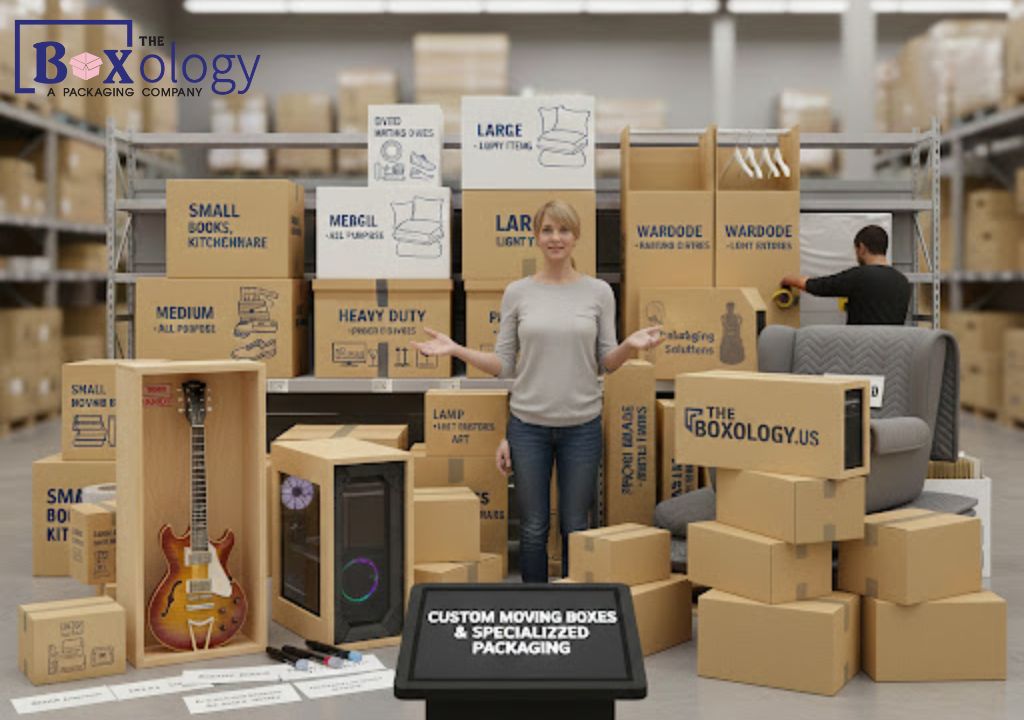
For some items, standard boxes just won’t do. If you have valuable, rare, or uniquely shaped items, custom moving boxes can be a game changer. Many companies, like The Boxology.US, offer tailored packaging solutions to ensure your belongings are packed securely.
If you’re moving specialized items like electronics, musical instruments, or furniture, you might want to invest in custom boxes that are perfectly sized to your things. Not only does this provide extra protection, but it can also help you maximize space and reduce the chance of damage.
The Packing Process: Step by Step

Packing up a house doesn’t have to be overwhelming if you take it one step at a time. Here’s a general packing timeline to help you stay organized:
1. Start Early
Begin packing non-essential items at least two weeks before your moving day. This will give you plenty of time to properly organize everything and reduce last-minute stress.
2. Sort and Purge
Before you start packing, go through your belongings and decide what to keep, donate, or throw away. This will reduce the number of items you need to pack and help streamline the moving process.
3. Pack Room by Room
Start with rooms you don’t use every day, like the guest bedroom or office. Then, work your way toward the more frequently used rooms, such as the kitchen and living room.
4. Label Everything
As you pack, make sure to label each box clearly with its contents and the room it belongs in. This will make unpacking so much easier.
5. Don’t Overpack
It’s tempting to cram as much as possible into each box, but this can lead to damaged items and difficult-to-carry boxes. Be mindful of box sizes and weight limits.
Conclusion: Making the Right Choice for Your Move

Choosing the right moving boxes doesn’t have to be a daunting task if you break it down step by step. Whether you need small boxes for your books or heavy-duty boxes for your furniture, understanding your needs and selecting the right materials is key to a successful move.
If you’re unsure about what kind of boxes are best for your belongings, or if you need custom solutions, don’t hesitate to reach out to a reliable moving supply company. The Boxology.US offers customized packaging solutions that can make your move smoother and safer.
Planning ahead, using the right packing materials, and staying organized are the secrets to a stress-free move. Remember, the right moving boxes are just as important as the rest of your packing supplies. If you’re looking for quality boxes that can stand the test of time, The Boxology.US is here to help you every step of the way.
Need advice or ready to start your move? Contact us today for a free consultation and a 25% discount on your first order.